The Town That Kept a Secret: Inside the Unsolved Vigilante Slaying in 'No One Saw a Thing'

On July 10, 1981, Ken Rex McElroy sat inside his silver Chevrolet pickup truck parked outside the D&G Tavern in Skidmore, Missouri. The summer heat was suffocating. Surrounding the vehicle stood an estimated crowd of 45 to 60 local residents. Moments later, gunshots shattered the windshield from at least two distinct firearms, striking McElroy in the head and neck. He slumped dead over the steering wheel. When state troopers and federal investigators arrived to interrogate the crowd, dozens of eyewitnesses offered the exact same answer: nobody saw who pulled the trigger.
The incident remains one of the most audacious unsolved homicides in modern American history. Captured meticulously in filmmaker Avi Belkin's SundanceTV docuseries No One Saw a Thing, the broad daylight shooting transformed a forgotten farming community of roughly 440 people into the epicenter of a national debate on vigilante justice. As true crime inquiries continue examining how insular populations respond to extreme legal failure, a theme explored across global productions noted in a recent Netflix Report, Skidmore represents an enduring case study in collective silence.
📌 Key Takeaways:
- The Breaking Point: Ken Rex McElroy terrorized Nodaway County for two decades, facing over 20 felony indictments without ever serving significant prison time.
- The Broad Daylight Ambush: McElroy was killed in front of dozens of armed townspeople on July 10, 1981, yet an unyielding code of silence blocked every state and federal indictment.
- The Lingering Fallout: The killing did not bring peace to Skidmore; instead, it ushered in decades of suspicious deaths, unsolved disappearances, and economic decline.
Ken Rex McElroy and Two Decades of Rural Terror
To understand the violent conclusion on Skidmore's main street, one must confront the preceding reign of intimidation. Ken Rex McElroy was not an ordinary neighborhood nuisance. Standing over six feet tall and weighing more than 250 pounds, he operated as a livestock rustler, arsonist, and serial predator across northwest Missouri. Court records revealed that between 1960 and 1981, prosecutors charged McElroy with assault, statutory rape, arson, cattle rustling, and attempted murder. He hired an aggressive attorney from Gallatin, Missouri, who exploited procedural continuances and intimidated rural witnesses into silence, ensuring McElroy walked free after every arraignment.
Residents lived in perpetual fear. Farmers who questioned McElroy found their barns torched or their livestock shot dead in open pastures. McElroy routinely drove past the homes of county magistrates and jurors late at night, revving his truck engine while holding a rifle out the driver's side window. His intimidation targeted the town's most vulnerable. In 1980, McElroy accused an elderly local grocer, 70-year-old Ernest "Bo" Bowenkamp, of accusing his stepdaughter of stealing candy. Following a series of escalations, McElroy confronted Bowenkamp outside the grocery store and shot him in the neck with a shotgun. Bowenkamp survived, and McElroy was convicted of assault, receiving a two-year sentence. However, McElroy immediately secured release on an appeal bond.
Upon his release pending appeal, McElroy walked into the D&G Tavern carrying a rifle with an attached bayonet, issuing lethal threats against Bowenkamp and anyone who assisted the prosecution. The message was unmistakable: the judicial system could not touch him, and anyone who opposed him was marked for death.
The Morning of July 10, 1981: A Killing in Broad Daylight
The morning of July 10, 1981, brought the final escalation. Following McElroy's brazen threats at the local tavern, residents met at the Skidmore Legion Hall to discuss community defense. They sought ways to legally stop McElroy from walking the streets while his appeal bond remained active. County Sheriff Dan Estes addressed the gathering, stating he could not assign a round-the-clock protective detail to the town. Estes advised citizens to form a neighborhood watch and left Skidmore in his patrol cruiser.
Shortly after the sheriff departed, word reached the Legion Hall that McElroy had returned to Skidmore, parking outside the D&G Tavern alongside his wife, Trena McCloud. The men inside the Legion Hall emptied out onto the street. Dozens of residents walked down main street and entered the tavern, observing McElroy while he finished a drink. When McElroy paid his tab, stepped outside, and climbed into his pickup truck, the crowd surrounded his vehicle.
McElroy turned the key in the ignition. At that moment, rifle fire cut through the truck cab. Forensics revealed shots originating from two separate calibers: an 8mm Mauser rifle and a .22-caliber weapon. McElroy suffered multiple head wounds and died instantly. Trena McCloud, seated inches away in the passenger seat, escaped physical injury. The crowd dispersed immediately. When paramedics and deputies arrived minutes later, no weapons remained in sight, and every spectator claimed they were looking at the ground or walking in the opposite direction when the firing occurred.
The Investigation and the Wall of Silence
The Missouri State Highway Patrol immediately launched a comprehensive investigation, encountering an absolute wall of refusal. A special coroner inquest convened days later, compelling testimony from local residents who had been standing on the pavement. Every witness offered identical non-answers. When asked who fired the weapons, each farmer and store clerk repeated the same refrain: nobody saw a single thing.
| Date | Key Event | Legal & Communal Impact |
|---|---|---|
| July 10, 1981 | Ken Rex McElroy is shot dead on Skidmore's main street. | Local law enforcement confronts an instant communal pact to withhold evidence. |
| July 1981 | A Nodaway County coroner inquest convenes to question eyewitnesses. | Witnesses refuse to identify shooters; the jury delivers an open verdict with no suspects named. |
| 1982, 1984 | The FBI intervenes, investigating potential federal civil rights violations. | Federal grand juries convene across multiple sessions; zero indictments materialize due to witness solidarity. |
| July 1984 | Trena McCloud files a wrongful death lawsuit against the town and specific individuals. | The civil action settles out of court for an estimated $17,600, with no admission of guilt. |
| August 2019 | SundanceTV releases the six-part docuseries No One Saw a Thing. | Director Avi Belkin re-interviews original residents, uncovering the town's persistent psychological scars. |
Because the local prosecutor could not secure cooperative testimony, the federal government stepped in. The Department of Justice deployed the FBI to probe whether local citizens conspired to deprive McElroy of his constitutional right to due process. Federal prosecutors impaneled grand juries, hauling townspeople in for closed-door interrogations under threat of perjury. Despite intense federal scrutiny, the community held its line. The investigation stalled indefinitely, cementing the shooting as an unsolved homicide.
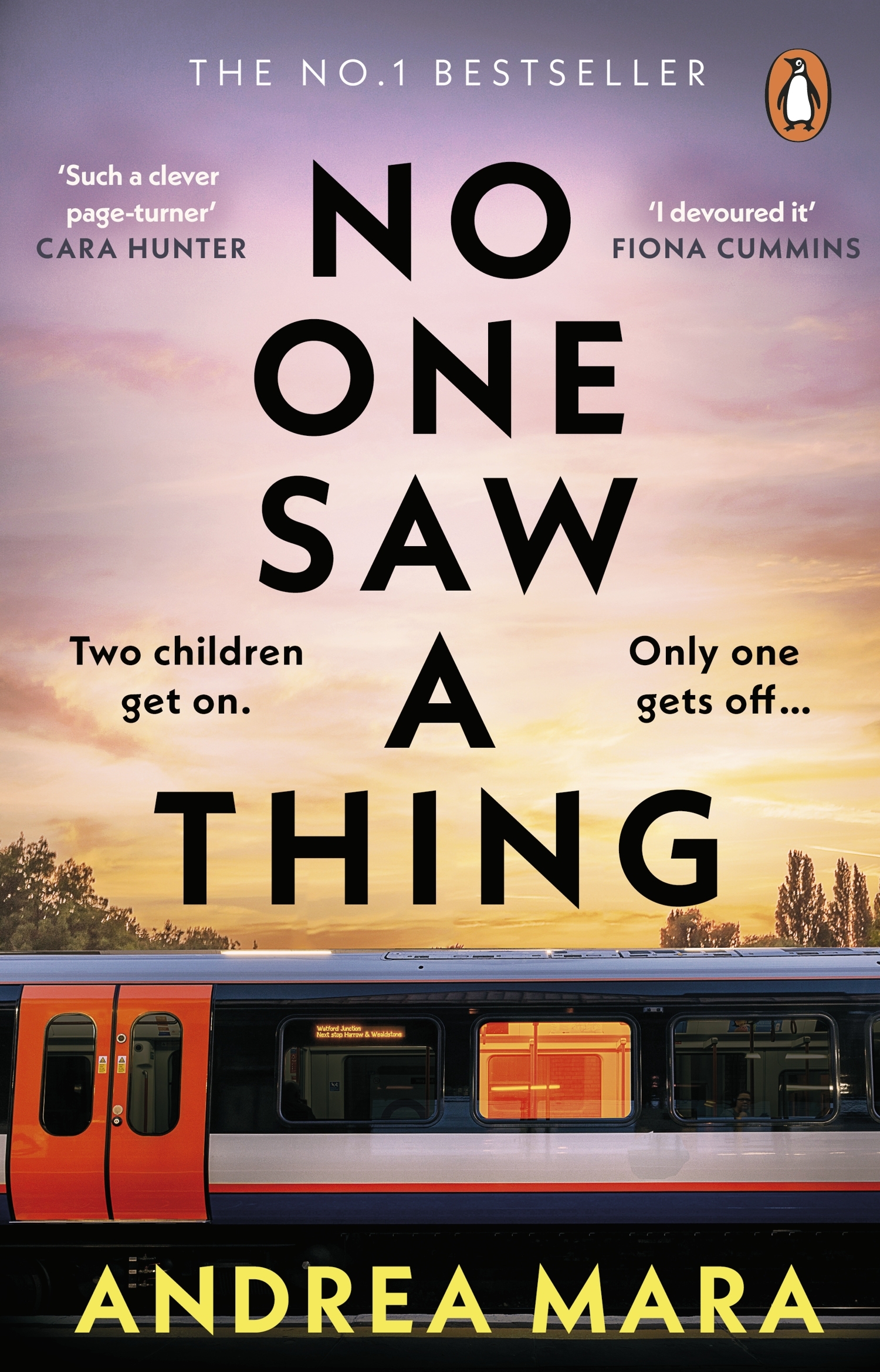
Avi Belkin’s Lens: Dissecting the SundanceTV Docuseries
In 2019, Israeli filmmaker Avi Belkin revisited the crime in the six-part SundanceTV documentary series No One Saw a Thing. Instead of romanticizing the townspeople as righteous vigilantes who vanquished a monster, Belkin treated the killing as a profound institutional breakdown that scarred the community for generations.
Belkin secured rare interviews with original residents, former investigators, and McElroy’s surviving family members. The documentary exposes the psychological toll of collective silence. Through archival news footage and intimate contemporary interviews, the series shows how the initial euphoria of eliminating a predator decayed into deep paranoia. Residents who had bound themselves to a life-long secret grew suspicious of their neighbors. The docuseries reveals that the code of silence was not purely voluntary; it was maintained through unspoken social coercion, leaving dissenting citizens terrified of becoming the next target.
The Corrosive Legacy of Small-Town Vigilantism
Vigilante narratives often carry a mythic weight in rural storytelling, suggesting that direct community action restores equilibrium when courts fail. Skidmore completely dismantles that myth. In the decades following McElroy's death, violence followed the town with disturbing frequency.
In 2000, 20-year-old Branson Perry vanished outside his home in Skidmore, an open mystery that remains unsolved. In 2001, local resident Wendy Gillenwater was beaten to death in an assault. In December 2004, the town witnessed the horrific murder of Bobbie Jo Stinnett, an eight-months-pregnant woman killed inside her Skidmore residence by Lisa Montgomery, who cut the unborn child from Stinnett's womb. While these subsequent tragedies were legally disconnected from McElroy's death, residents and criminologists interviewed in Belkin's documentary observed a pervasive psychological decay. A community that learned murder could be sanctioned by silence struggled to retain a moral center.
Skidmore's population steadily shrank. Buildings along the main street fell into disrepair. The very solidarity that shielded the town from federal prosecution ultimately severed it from the outside world, creating a culture of suspicion that accelerated its economic decline.
Frequently Asked Questions (FAQ)
Q1: Was anyone ever charged with the murder of Ken Rex McElroy?
A1: No. Despite state highway patrol probes, multiple grand juries, and an exhaustive FBI civil rights investigation, no individual was ever arrested, indicted, or prosecuted for the killing.
Q2: Why didn't law enforcement protect Skidmore from McElroy before the shooting?
A2: McElroy's defense attorney repeatedly delayed trials and used legal loopholes to secure continuances. In rural Nodaway County, law enforcement resources were limited, and bail laws allowed McElroy to remain free while appealing his felony assault conviction.
Q3: Did Trena McCloud name the people who shot her husband?
A3: Trena McCloud initially named a specific local resident as one of the shooters during civil court proceedings. However, her testimony conflicted with physical ballistic evidence and lack of corroboration, preventing prosecutors from securing a criminal indictment.
The Unbroken Silence of Nodaway County
More than four decades have passed since Ken Rex McElroy bled out on the gravel of Skidmore. Most of the men and women who stood outside the D&G Tavern on that July morning are dead. The rifles used in the ambush were long ago discarded in rural rivers or melted down. Yet even as the original participants pass away, the town's silence remains intact.
The legacy of No One Saw a Thing is not a celebration of self-reliance, but a sobering warning about the cost of vigilante justice. When a community abandons the rule of law to solve an immediate crisis, it sacrifices its own institutional foundation. Skidmore eliminated its tormentor, but in doing so, it chained its identity to an unpunished killing that continues to cast a long shadow over the American heartland.


