The Visual Rise of 'Cherry On Top' and Reaction Images in TikTok Comments
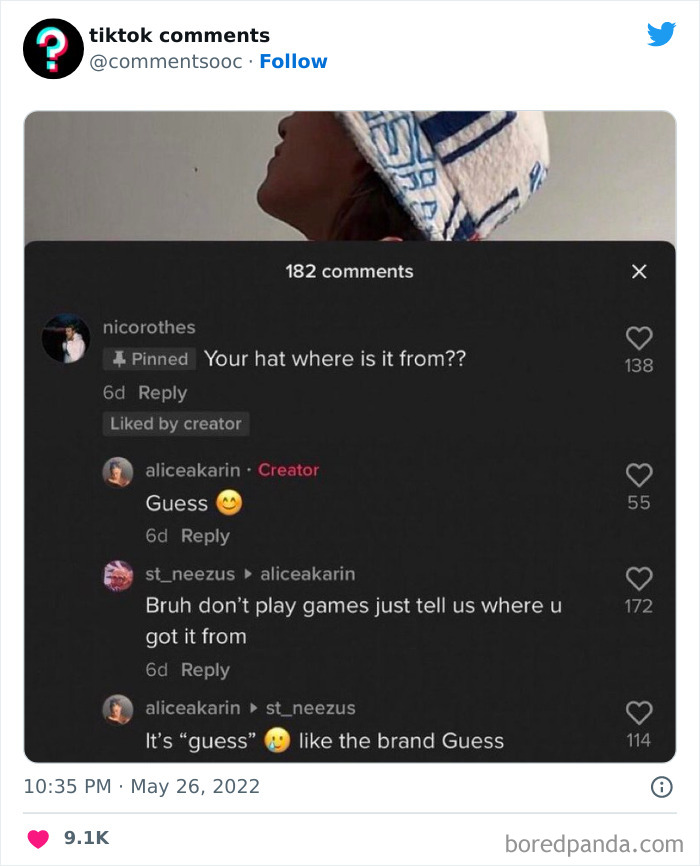
Scroll through almost any high-engagement clip on TikTok right now, and the text below the video barely resembles conversation. Where users once traded punchlines or dropped strings of skull emojis, entire comment threads are now dominated by a single, repetitive visual: a surreal, wide-eyed graphic widely known as the "Cherry On Top" reaction image. It appears beneath geopolitical explainers, makeup routines, and catastrophic cooking fails alike, consistently collecting tens of thousands of upvotes with zero accompanying text.
The visual takeover marks a turning point in platform dynamics. As highlighted in a Yahoo News Singapore Report, the rapid saturation of the "Cherry On Top" meme is the clearest symptom yet of how TikTok photo comments have dismantled traditional comment copypasta. What began as a scattered visual reply trend has transformed the app's comment culture into a fast-moving, image-first micro-economy driven by absurdist Gen Z internet humor.
📌 Key Takeaways:
- The Phenomenon: The "Cherry On Top" reaction image has become the default visual reply meme across TikTok comment sections, pushing text-based banter out of top-voted spots.
- The Technical Catalyst: TikTok’s expanded rollout of native image replies removed the friction of sharing static graphics, turning comment feeds into image-board style reaction threads.
- The Algorithmic Incentive: Static image replies generate higher visual dwell time and faster upvote velocity than text, giving creators and commenters strong algorithmic incentives to post them early.
The Mechanics of the 'Cherry On Top' Visual Takeover
To understand why "Cherry On Top" spread so rapidly, you have to look at the anatomy of visual reply memes. The image itself features an exaggerated, candy-coated aesthetic paired with an expression that sits uncomfortably between vacant shock and quiet resignation. Depending on the clip it shadows, the image functions alternately as an ironic exclamation point, a mock badge of approval, or pure visual nonsense meant to disrupt the thread.
Unlike traditional text punchlines that demand reading comprehension and cultural context, the "Cherry On Top" graphic delivers an instant mood. A viewer can process the visual in a fraction of a second. That speed matters on an interface designed around rapid vertical swiping. When an absurd clip ends, dropping a hyper-stylized reaction image serves as the ultimate visual full stop. It delivers the punchline before the brain finishes parsing the setup.
The meme also thrives on collective irony. Internet communities frequently adopt an arbitrary visual artifact and elevate it into a universal badge of participation. By dropping the image under unrelated videos, users signal in-group membership without typing a single word. It is low-effort participation with maximum visibility.
From Copypasta to Photo Replies: How the Interface Mutated
TikTok comment sections were not always visual battlegrounds. For years, interaction was constrained by character limits and basic emoji keyboards. The culture adapted by generating dense text copypasta: repetitive ASCII art, ironic recipe scripts, and mock confessionals designed to flood screen space. Memes like "bro really thought" or scripted narrative parodies ruled the platform through sheer repetition.
That dynamic shifted when ByteDance progressively expanded native photo replies inside comment threads across 2024 and 2025. Suddenly, the tactical goal of top commenters changed. Text walls take seconds to read; an absurd image macro captures attention instantly. Users stopped typing out jokes and started archiving reaction libraries on their camera rolls.
This UI change realigned TikTok with traditional internet forum cultures like early 2010s Tumblr and message boards, but compressed through a modern algorithmic filter. The platform's comment section is no longer an annex to the video. It operates as a distinct secondary media feed running directly beneath the primary post.
The Evolution of TikTok Comment Section Warfare (2020, 2026)
The rise of image reactions represents the fourth distinct era of interaction design on the platform. The table below traces how user behavior, interface features, and dominant meme styles shifted across recent years.
| Timeframe | Dominant Format | Underlying Mechanic | Feed Impact |
|---|---|---|---|
| 2020, 2021 | ASCII Art & Text Copypasta | Screen-space hogging and ratio culture | High comment volume, minimal visual variety |
| 2022, 2023 | Emoji Shorthand & Audio Drops | Skull emojis, quotation memes, timestamp tags | Predictable thread structures and uniform jokes |
| 2024, 2025 | Early Photo Replies & Screenshots | Native camera roll uploads in replies | Reaction faces displacing conventional top comments |
| 2026 Present | Surreal Macros ('Cherry On Top') | Collective absurdist spam and visual speedrunning | Static images monopolizing pinned and top-tier slots |
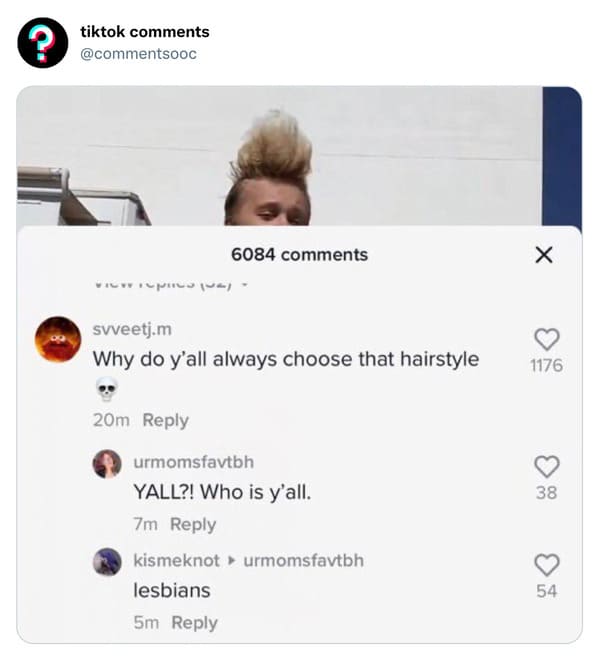
Algorithmic Friction and Why Visual Irony Wins the Feed
Social media algorithms prioritize engagement depth. On TikTok, the comment drawer is a primary engine of overall session length. When a user opens the comment panel, video playback loops continuously in the background, driving up the clip's completion rates and replay signals.
Visual memes supercharge this metric. An eye-catching graphic stops vertical scrolling within the comment drawer. A viewer pauses to look at the surreal design, checks the parent comment to see if it makes sense, and realizes it does not. That momentary confusion adds 2 to 4 seconds of dwell time per user. Across a clip with millions of views, those fractions of a second tell the recommendation engine that the post holds viewer attention exceptionally well.
Early commenters know this mechanism intuitively. Securing the "top comment" on a trending post provides massive account visibility. Dropping a recognizable, high-contrast visual like "Cherry On Top" within the first 15 minutes of a video going live virtually guarantees early likes. The platform's ranking system pushes heavily liked comments to the top, creating a compounding loop where the image stays pinned for the lifetime of the video.
The Social Friction Behind Gen Z's Image-Board Shift
The migration toward image reactions is not universally welcomed. Long-time creators have voiced irritation over the sheer uniformity of comment feeds. Where creators once relied on replies for community feedback, video ideas, or authentic discourse, they now face identical walls of cherry graphics and non-sequitur reaction cards.
Yet for younger audiences, that disruptive quality is precisely the goal. Gen Z internet humor leans heavily on post-irony and intentional anti-humor. The joke is not that the picture is inherently witty; the joke is that it does not belong there at all. It deflates earnest influencers, punctures sponsored brand content, and turns high-production videos into backdrops for user-driven nonsense.
Platforms that embrace photo comments invariably face this tension. When Twitter integrated GIFs into replies, discourse shifted from conversational arguments to competitive reaction trading. TikTok has compressed that multi-year transition into a matter of months, backed by a user base that treats meme formats as ephemeral disposable assets.
Frequently Asked Questions (FAQ)
Q1: What is the primary meaning of the 'Cherry On Top' meme on TikTok?
The image functions as an ironic, absurdist reaction macro. While it can signify that a situation has reached a point of ridiculous excess, the proverbial "cherry on top", most users deploy it without literal context to disrupt serious threads or farm early upvotes through visual recognition.
Q2: Why did photo comments become popular so quickly on TikTok?
Native image replies removed the friction of copy-pasting links or typing lengthy text. Images create instant visual contrast against black-and-white comment text, drawing immediate user focus and racking up likes faster than traditional written jokes.
Q3: How do image reaction trends affect creators' engagement metrics?
While repetitive memes can crowd out meaningful feedback, they generally boost algorithmic performance. Browsing through image-heavy comments increases user dwell time while the video loops in the background, signaling high viewer retention to TikTok’s recommendation algorithm.
Where Visual Comment Culture Goes Next
The dominance of the "Cherry On Top" graphic will eventually wane as the image reaches peak saturation. The underlying behavioral shift, however, is permanent. TikTok has successfully transitioned its audience from readers to viewers even within its text-designated spaces. The comment drawer is no longer a guest book; it is a canvas.
As comment-generation tools, sticker engines, and camera roll integrations become more sophisticated, visual shorthand will continue to crowd out conventional text. Future viral cycles will not be defined by memorable phrases or catchphrases, but by the next high-contrast image macro capable of stopping an active thumb in its tracks.


