Timeline of the Chinese Baby Meme: From Local Douyin Post to Global Hit
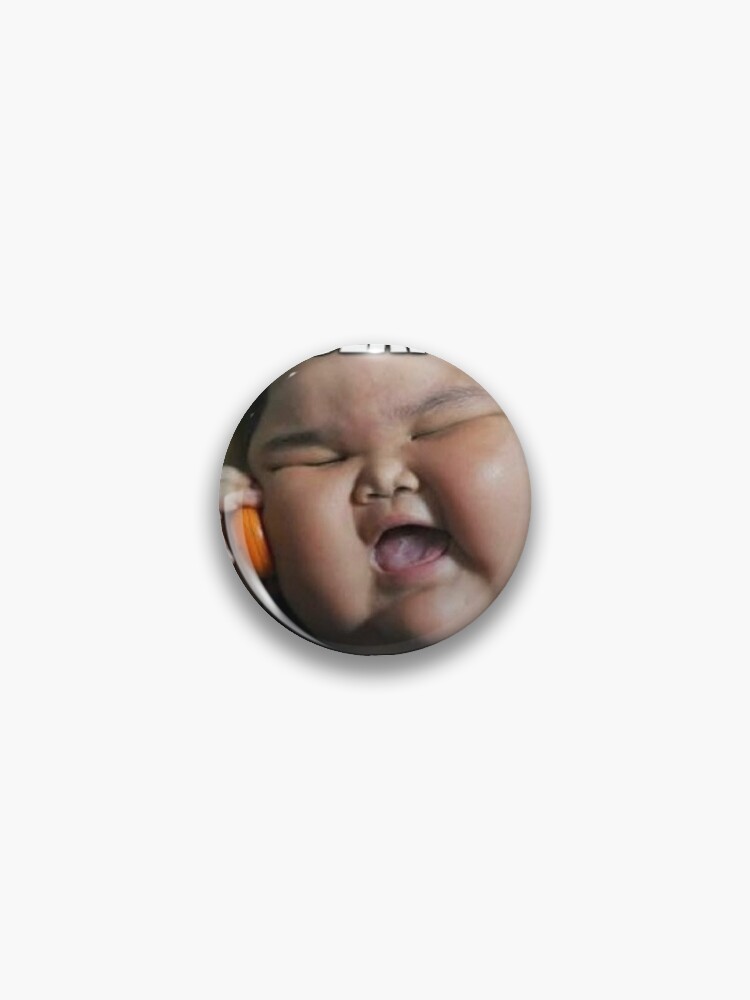
A toddler with impossibly round cheeks scowls at a bowl of steamed egg, furrowing brows with the existential exhaustion of a tired office worker. Within 48 hours, that brief snippet moved from an obscure domestic feed on Douyin into Premier League group chats across London, Lagos, and São Paulo. The phenomenon of the Chinese baby meme has grown into one of the most resilient cross-border internet currents, turning ordinary domestic parenting moments into universal currency for collective despair, deadpan comedy, and petty sports rivalries.
As cataloged in a widely circulated YouTube Report analyzing the rise of "niche Chinese babies," these clips operate entirely outside conventional language barriers. They bypass geopolitical tensions and firewall divisions to dominate Western timelines, carried entirely by expressive micro-movements and aggressive algorithmic syndication.
📌 Key Takeaways:
- The Origin Chain: Candid home videos filmed by niche Douyin creators first gain steam as WeChat sticker packs before unauthorized aggregators rip and distribute them globally.
- The Football Fandom Catalyst: European soccer fans on X and TikTok repurposed dramatic toddler tantrums into default reaction templates for blown leads and tactical disasters.
- Language-Free Virality: Universal physical comedy, chubby baby cheeks, exaggerated side-eyes, and deadpan stares, allows these clips to bypass language hurdles that stall other regional media.
- Persistent Privacy Questions: The migration exposes severe gaps in cross-border copyright enforcement and highlights growing concerns around commercialized toddler content.
Domestic Roots on Douyin and the WeChat Sticker Economy
The journey begins on Chinese domestic platforms, where humorous parenting content represents one of the most lucrative engagement verticals on Douyin and Xiaohongshu. Rural and suburban parents documenting routine family life regularly produce viral short-form video clips showing toddlers wrestling with oversized winter coats, falling asleep into bowls of noodles, or exhibiting world-weary scowls. These clips are rarely produced with global audiences in mind; they are created for domestic consumption, competing for visibility within mainland algorithms.
Before any of these toddlers ever land on an overseas phone screen, they pass through a critical intermediate filter: WeChat sticker packs. Known as biaoqingbao, these animated GIF-style graphics are the lifeblood of Chinese private messaging. Users clip three-second loops of cute toddler expressions, add stylized Chinese text overlays describing workplace stress or romantic irritation, and share them across family groups and office chats. A toddler crying over a dropped dumpling quickly becomes shorthand for missing a project deadline. By the time an account aggregator notices the footage, the clip has already undergone rigorous real-world testing as a functional reaction graphic.
How Football Fandom Made Toddler Scowls a Global Reaction Language
The crossover to international platforms rarely happens organically through official account syndication. Instead, boutique curation accounts screen-record Douyin feeds and repost the files to Instagram Reels and TikTok. The moment that truly broke the genre into Western digital culture occurred within sports fandom, most notably "Football Twitter" and Premier League TikTok communities between 2023 and 2025.
Soccer fandom thrives on theatrical misery. When a club concedes a 94th-minute equalizer, fans do not write analytical paragraphs; they post a visual punchline. A video of a Chinese toddler collapsing face-first into a sofa, clutching chubby baby cheeks while letting out an audible sigh, became the undisputed emblem of a blown title race. Supporters of Manchester United, Arsenal, and Real Madrid began pairing these toddler clips with club anthems, screeching stadium audio, and subtitles mocking specific managers.
The stark juxtaposition created an infectious meme format. A high-stakes, multi-billion-dollar athletic contest was summarized using a one-year-old child from Henan province throwing a temper tantrum over a banana. The formats multiplied rapidly. Basketball communities on Reddit and gaming subcultures on Discord adopted the templates, converting regional family life into universal reaction GIFs for everyday failure.
Tracking the Cross-Border Migration: From Local Upload to Global Feed
The path from a private living room in China to a viral trend in South America follows a distinct structural pipeline. Unlike Western influencers who coordinate cross-platform campaigns, these children rarely have a direct hand in their own international fame.
| Evolutionary Phase | Primary Platform | Audience & Context | Dominant Format |
|---|---|---|---|
| Phase 1: Local Capture | Douyin / Kuaishou | Mainland Chinese families & casual lifestyle browsers | Raw short-form video (15, 60s) |
| Phase 2: Sticker Serialization | Domestic social circles & professional chat groups | Animated GIFs with localized slang subtitles | |
| Phase 3: The Firewall Leap | TikTok / Instagram | Aggregator channels and content repost bots | Uncredited clip compilations with viral audio |
| Phase 4: Subcultural Hijack | X (Twitter) / Reddit | Sports fandoms, gamers, and pop culture communities | Meme templates paired with matchday captions |
| Phase 5: Corporate Mainstream | Global Brand Socials | General consumer audiences across major markets | Green-screen templates and social ad hooks |

The Mechanics of Relatability: Micro-Expressions Over Spoken Language
Most internet memes rely on cultural context or spoken dialogue. Audio tracks from sitcoms, political speeches, and English-language reality TV shows require a working knowledge of Anglo-American media to function. The Chinese baby meme operates on a fundamentally different axis.
The videos strip communication down to raw physical signals. A slow blink, a furrowed eyebrow, a dramatic refusal to swallow cold congee, these require zero translation. When Western creators stitch these videos with trending social media sound bites, the original audio is usually deleted, replaced by hip-hop beats, melancholic synth tracks, or sports commentators screaming in Spanish or English. The child’s face becomes a blank slate onto which any human emotion can be projected.
This dynamic has turned niche Douyin creators into unwitting producers of global stock footage. Unlike standard commercial actors, children do not perform irony. Their reactions are raw, unpredictable, and inherently funny. That authenticity cuts cleanly through corporate marketing feeds, making the clips feel grounded even when recycled millions of times.
Commercial Exploitation and the Ethics of Toddler Fame
Behind the endless loop of funny clips lies a complex and unregulated monetization ecosystem. The parents producing this footage often see direct financial returns within China through live-stream sales and brand partnerships arranged on Douyin. However, once those clips breach international firewalls, the economic chain breaks completely.
Third-party accounts on Western platforms amass hundreds of thousands of followers by simply re-uploading uncredited Chinese family videos. These curation channels generate revenue via creator funds, affiliate marketing, and promoted audio placements, while the families featured rarely see a cent of the overseas profit. More troubling is the question of long-term consent. Children whose earliest years are immortalized as global symbols of disappointment have no say in how their likeness is monetized across digital borders.
Regulatory frameworks in Europe and North America have begun tightening around domestic "kidfluencers," requiring trust funds and strict filming hours. Yet international meme circulation exposes the structural limitations of local child-labor laws. A child in a third-tier Chinese city whose clip is transformed into a betting reaction meme in the United Kingdom exists in a legal blind spot, protected neither by local copyright claims nor by Western privacy directives.
Frequently Asked Questions (FAQ)
Q1: Where did the trend of using Chinese babies in sports memes come from?
A1: The trend originated when soccer fans on X and TikTok discovered Douyin compilations of toddlers throwing dramatic tantrums. Fans began matching these exaggerated facial expressions to their emotional reactions following match losses, creating a format that quickly spread across sports communities.
Q2: Do the parents of these children know they are internet memes in the West?
A2: Some high-profile creators eventually become aware when foreign media outlets or bilingual fans reach out on Chinese platforms, but most everyday parents remain completely unaware. Because Western platforms like TikTok and X are blocked in mainland China, the clips circulate overseas without the family's direct knowledge.
Q3: Why are Chinese baby clips more popular for memes than Western baby videos?
A3: Chinese domestic video apps foster an enormous creator base that documents candid family moments with cinematic framing and dynamic comedic pacing. The sheer volume of content produced for Douyin and WeChat sticker packs creates an endless supply of high-contrast, expressive footage that easily converts into reaction GIFs.
The Architecture of Cross-Border Web Humor
The runaway popularity of the Chinese baby meme reveals how digital culture functions when stripped of linguistic barriers. Algorithms on opposing sides of the world operate under different political jurisdictions, yet they respond to identical human instincts: visual simplicity, dramatic physical cues, and the desire to laugh at shared frustration.
These clips will continue to evolve as new crops of internet users look for fresh ways to express defeat, boredom, and delight. As long as a toddler can pull a face that perfectly captures the misery of a missed penalty kick or an agonizing Monday morning, the migration from Douyin feeds to global timelines will remain uninterrupted.


