Twisted Metal PS3 Finally Runs at 70 FPS on PC After Breakthrough Emulator Fix
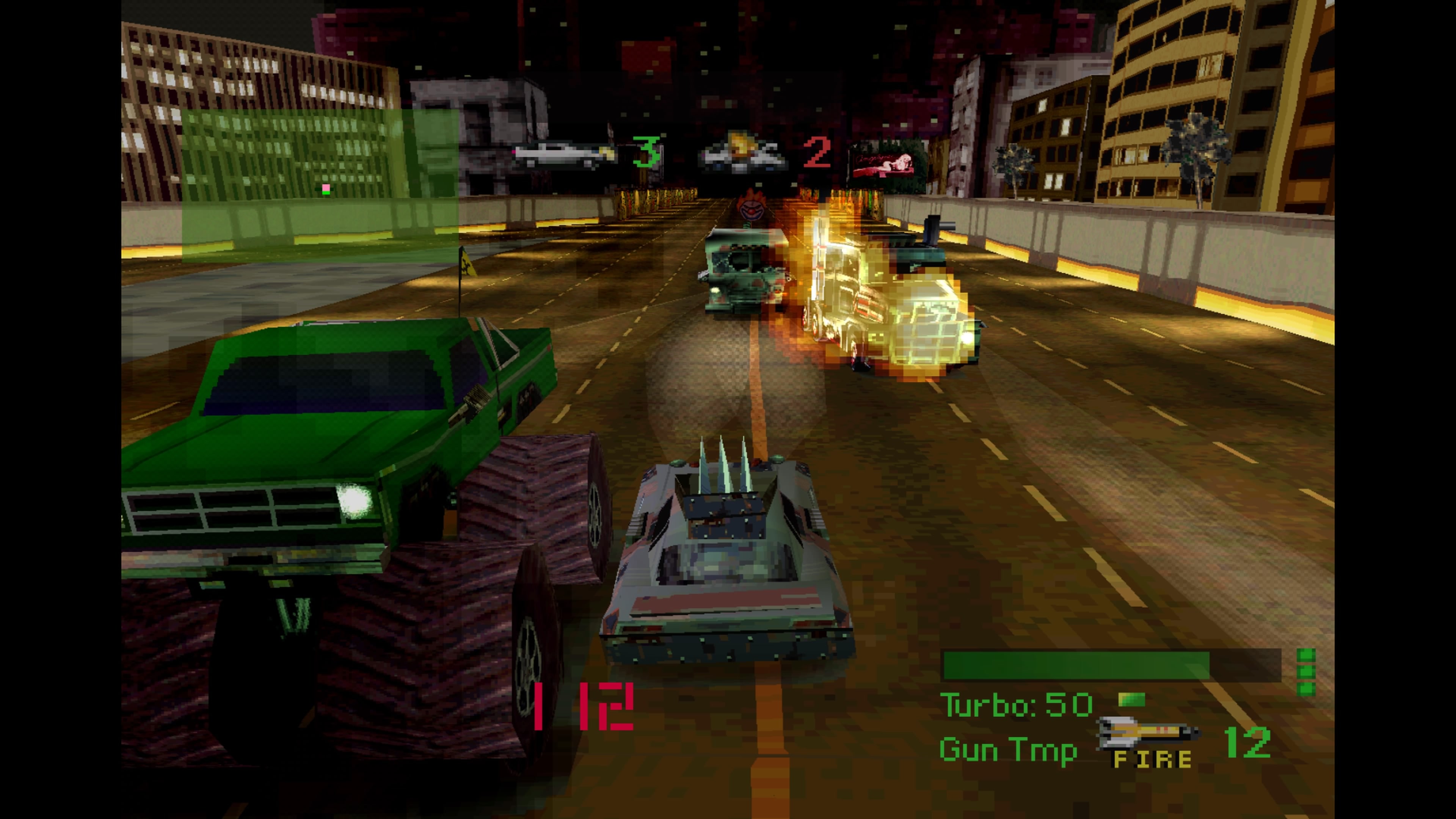
For more than a decade, the 2012 reboot of Twisted Metal stood as an unassailable fortress against PC emulation. Developed by Eat Sleep Play and directed by franchise co-creator David Jaffe, the chaotic vehicular combat game punished the PlayStation 3 Cell processor so thoroughly that its complex SPU threading routines routinely brought modern x86 hardware to a crawl. Emulation developers openly categorized it among the platform's most stubborn outliers, a title that choked frame rates into the low twenties regardless of how much brute silicon brute-forced the calculation pipeline.
That engineering barrier has finally collapsed. As highlighted in a recent Notebookcheck Report, the open-source RPCS3 emulator project delivered an architectural patch that shatters the long-standing performance ceiling. By rethinking low-level thread scheduling and unlocking an immediate 5 to 7% base performance uplift across the emulator's SPU cache pipeline, modern gaming rigs are no longer merely struggling to run the title. They are powering Sweet Tooth’s custom ice cream truck across high-density urban battlefields at a stable, blistering 70 FPS.
📌 Key Takeaways:
- The Core Feat: The RPCS3 emulator team has resolved critical instruction bottlenecks in the PlayStation 3 Cell processor code, running Twisted Metal (2012) past 60 FPS and up to 70 FPS on enthusiast PC hardware.
- The Technical Cause: A sweeping overhaul of SPU thread synchronization eliminated micro-stutters and scheduling stalls that previously caused severe CPU core lockups on modern x86 architectures.
- The Developer Verdict: Former Eat Sleep Play systems programmers publicly praised the milestone, acknowledging that original studio engineers believed the custom code "would never be emulatable" outside native PS3 silicon.
The Cell Architecture Bottleneck That Stumped Engineers for a Decade
The original PlayStation 3 hardware remains notorious for its non-standard compute architecture. Sony paired a single 64-bit PowerPC-based Power Processing Element (PPE) with eight Synergistic Processing Elements (SPEs), each armed with its own Synergistic Processing Unit (SPU) and ultra-fast 256 KB local store memory. While early cross-platform titles avoided the SPUs, first-party studios like Eat Sleep Play built custom rendering pipelines around them.
In Twisted Metal, the developers offloaded physics calculations, vehicle suspension dynamics, environmental destructibility, and complex volumetric particle systems directly onto the SPUs. The game pushed thousands of simultaneous operations per frame: missiles carving paths through collapsing buildings, real-time tire deformations, and multi-car pileups on crowded city avenues. Because these calculations ran asynchronously and relied on razor-thin timing loops between the PPE and SPU local stores, translating them into x86 instructions on modern AMD and Intel processors caused massive pipeline stalls.
For PC enthusiasts, the result was borderline unplayable. Even equipped with high-end processors, players suffered erratic frame pacing, audio desynchronization, and wild drops from 30 FPS straight down to 12 FPS during heavy artillery engagements. The game was practically locked to its native 2012 hardware.
Inside the RPCS3 Emulation Fix That Unlocked 70 Frames Per Second
The latest breakthrough stems from a targeted PlayStation emulation fix focused on RPCS3's SPU thread scheduling and cache synchronization. Previously, when Twisted Metal saturated the emulator's virtual SPU queues, worker threads on PC processors spent valuable clock cycles waiting on stalled memory mutexes. This artificial synchronization lock created severe CPU overhead, dragging down frame times regardless of raw clock speeds.
According to technical patch notes documented by VideoCardz, RPCS3’s maintainers restructured how the emulator handles SPU thread wakes and DMA memory transfers. Instead of forcing heavy thread handshakes that starved the host CPU, the new runtime uses an aggressive, low-latency task dispatcher. This direct architectural update yielded an instant 5 to 7% instruction throughput uplift in baseline Cell emulation routines.
Freed from synchronization bottlenecks, modern multi-threaded desktop processors finally converted their IPC advantages into pure frame generation. When paired with an unlocked frame rate patch, the game cleanly vaulted past the standard 30 FPS console lock, stabilized across 60 FPS gameplay, and regularly peaked at 70 FPS in high-density combat arenas.
Hardware Benchmarks: From Unplayable Stutters to Silky Precision
To measure the impact of the update, emulation testers put the game through grueling urban demolition scenarios across multiple hardware configurations. Testing focused on intense combat stages featuring multiple AI combatants, active mortar fire, and sustained environmental destruction.
| Host Hardware Configuration | Legacy RPCS3 Build (2024, 2025) | Optimized 2026 Build (Unlocked) | Frame Stability Status |
|---|---|---|---|
| AMD Ryzen 7 7800X3D / RTX 4080 | 26, 34 FPS (Heavy Stuttering) | 65, 72 FPS | Stable; Zero Audio Crackle |
| Intel Core i7-14700K / RTX 4070 Ti | 24, 31 FPS (Variable Drops) | 62, 68 FPS | Fluid Frame Pacing |
| AMD Ryzen 5 5600X / RTX 3060 | 14, 22 FPS (Severe Latency) | 42, 50 FPS | Playable; Minor Load Dips |
| Original PlayStation 3 Hardware | 25, 30 FPS (Native Dynamic Res) | N/A (Hardware Bound) | Native Console Baseline |
The PC gaming benchmarks highlight a dramatic leap. On processors sporting large L3 caches, most notably AMD's 3D V-Cache lineup, the SPU emulation routines reside comfortably within local cache, cutting down external RAM latency. The game maintains responsive controls even when multiple opponents detonate napalm weapons in close quarters.
Eat Sleep Play Developers React to the Preservation Milestone
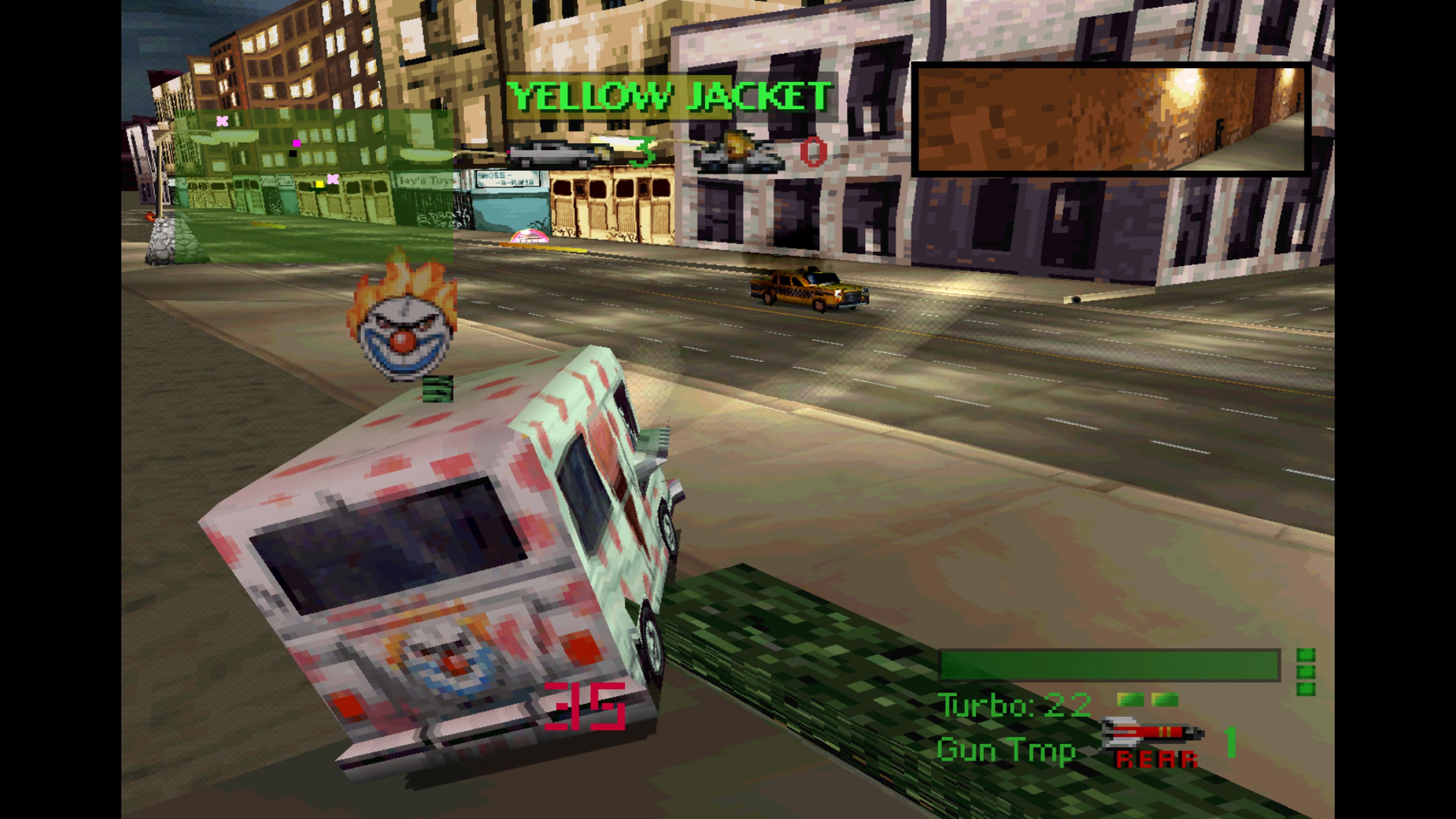
The achievement sent shockwaves through both the retro gaming community and the original development team. As reported by PC Guide, a former systems engineer from Eat Sleep Play publicly expressed astonishment at the breakthrough. During active development in 2011, the internal consensus was that the studio's hyper-specific SPU timing hacks and microcoded physics loops would render the game impossible to emulate on future computing architectures.
Engineers had pushed Sony’s Cell processor so close to its theoretical breaking point that even minor deviations in cycle timing were expected to break game state synchronization. Seeing Sweet Tooth’s transforming mech sequences run without geometry corruption or physics explosions at more than double the original console frame rate represents a major technical validation for open-source digital preservation.
For community preservationists, this victory carries weight that extends far beyond nostalgia. Twisted Metal never received an official PC port, a remastered edition, or a backward-compatible release on PlayStation 4 or PlayStation 5. Without accurate emulation, the title risked total disappearance into hardware obsolescence.
Broader Ripple Effects Across CPU Heavy PS3 Games
The fundamental SPU dispatch improvements deployed for Twisted Metal are not isolated to a single vehicular combat game. Because the patch rewrote core execution handling inside the RPCS3 Cell scheduler, several other notoriously demanding PS3 exclusives are reaping identical performance dividends.
Titles long held back by intense SPU physics dependencies, including Killzone 2, MotorStorm: Pacific Rift, God of War: Ascension, and inFAMOUS 2, exhibit noticeably calmer frame times and reduced system-level micro-stuttering. Games that once required aggressive downsampling or thread-limiting workarounds can now scale cleanly with modern desktop CPU cores.
The update marks a broader turning point for the RPCS3 project. What began as an experimental emulator that struggled to boot homebrew menus has systematically solved the most arcane, proprietary architecture in console history, dismantling hardware-bound barriers one micro-instruction at a time.
Frequently Asked Questions (FAQ)
Q1: What hardware do I need to run Twisted Metal at 60+ FPS on RPCS3?
A1: Reaching 60 to 70 FPS requires a modern multi-threaded desktop CPU with strong single-core IPC and high cache reserves, such as an AMD Ryzen 7 7800X3D, Ryzen 7 9800X3D, or an Intel Core i7-13700K / 14700K. Mid-range processors like the Ryzen 5 5600X will run the game smoothly between 40 and 50 FPS.
Q2: Does the RPCS3 frame rate breakthrough require manual config tweaks?
A2: Most improvements are integrated into recent master builds of RPCS3 out of the box. However, achieving past 30 FPS requires applying the community Vblank patch and unlocking the frame rate limit within the game's custom configuration menu in RPCS3.
Q3: Are online multiplayer lobbies functional in Twisted Metal on PC?
A3: Official Sony PlayStation Network servers for the title were shuttered in 2019. However, RPCS3’s custom RPCN network emulation supports private peer-to-peer matchmaking, allowing players to host LAN and emulated netplay lobbies directly on PC.
The Vanishing Horizon of Untouchable Console Hardware
The conquest of Twisted Metal closes one of the most frustrating chapters in software preservation. For nearly fifteen years, Sony’s Cell architecture held a reputation as an insurmountable labyrinth, trapping brilliant creative work inside deteriorating hardware. Open-source developers proved that even the most aggressive, proprietary microcode can eventually be mastered by meticulous reverse-engineering and optimized host compute power.
Sweet Tooth's blazing 70 FPS romp through downtown Los Angeles proves that no console library is truly permanently marooned. As modern CPU architectures continue widening their memory bandwidth and cache pools, the list of unplayable retro classics continues to shrink down to absolute zero.


