Unpacking Shuhei Yoshida's Exact Words: What The Former PlayStation Boss Actually Said About Jim Ryan
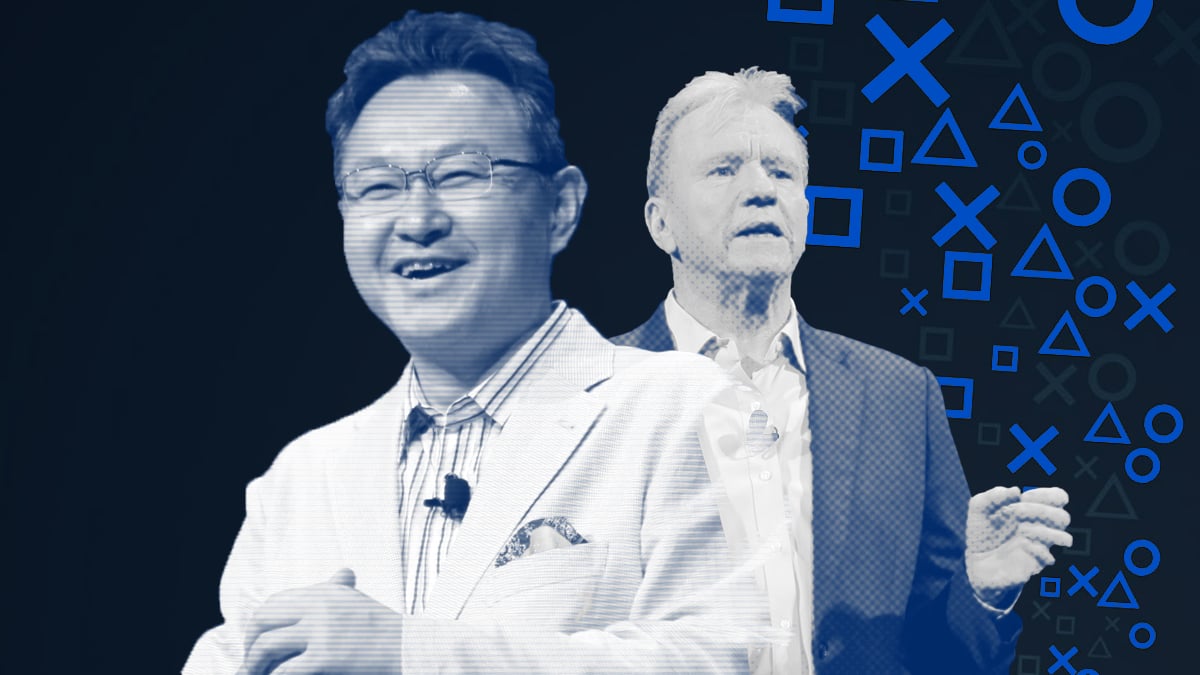
For years, Sony Interactive Entertainment framed the late 2019 leadership reshuffle as an orderly, amicable transition. The official corporate narrative claimed Shuhei Yoshida stepped down after eleven years managing PlayStation Worldwide Studios to champion independent creators, handing the reins of internal development to Guerrilla Games co-founder Hermen Hulst. That polite corporate fiction has now evaporated.
In an explosive series of retrospective interviews highlighted by a pushsquare.com Report, Yoshida confirmed that former SIE President and CEO Jim Ryan effectively ousted him from his post. The rupture did not stem from production shortfalls or studio failures. Instead, it followed a breakdown in executive relations after Yoshida flatly refused to execute directives he deemed detrimental to game development.
📌 Key Takeaways:
- The Direct Admission: Shuhei Yoshida confirmed Jim Ryan removed him from his position as head of PlayStation Worldwide Studios after Yoshida openly rejected top-down corporate instructions.
- The Root Conflict: The clash stemmed from Ryan’s aggressive centralization drive ahead of the PlayStation 5 launch, which collided with Yoshida’s developer-first, decentralized production philosophy.
- The Structural Fallout: The removal accelerated Sony’s strategic tilt toward high-budget live-service bets and Western administrative consolidation, sidelining legacy Japanese production talent.
Behind the Closed Doors of Sony's 2019 Executive Shakeup
The friction inside Sony Interactive Entertainment mounted throughout 2019, a transitional year marked by the departure of veteran executives Shawn Layden and Kaz Hirai. Jim Ryan assumed the role of President and CEO in April of that year, arriving with an explicit mandate from Tokyo: streamline global operations, cut administrative redundancy across regional branches, and maximize margins for the upcoming PlayStation 5 hardware cycle.
Yoshida had served as President of Worldwide Studios since May 2008. During his eleven-year tenure, internal studios produced defining console hits including The Last of Us, God of War (2018), Uncharted 4, and Bloodborne. Yoshida operated on creative trust. He gave studio directors wide latitude over development timelines, greenlit high-risk experimental concepts, and protected production leads from quarterly balance-sheet pressures.
Ryan viewed that decentralized structure as inefficient. Under Ryan’s vision, global marketing, hardware rollout plans, and software production needed strict, top-down synchronization managed largely out of San Mateo and London. Studio heads could no longer function as autonomous fiefdoms. Yoshida stood directly in the path of that consolidation.
The Breaking Point: Refusing Direct Orders from Jim Ryan
Speaking openly about the confrontation, Yoshida revealed that the friction escalated into an ultimatum. Ryan issued operational orders that Yoshida considered reckless, damaging to morale, and disconnected from the physical realities of game development.
"I didn't listen to him," Yoshida explained regarding his interactions with Ryan. When pressed on the friction that defined their working relationship, Yoshida noted that he repeatedly pushed back against demands he categorized as fundamentally misguided. Rather than capitulate to corporate directives that compromised studio stability, Yoshida dug in.
Ryan responded by executing a swift managerial purge. In November 2019, Sony announced Hermen Hulst as the new Head of Worldwide Studios (later rebranded as PlayStation Studios). Yoshida was stripped of his authority over thousands of developers across Naughty Dog, Santa Monica Studio, Insomniac Games, and Japan Studio.
To prevent public panic and market instability one year before the PS5 debut, Sony PR packaged the demotion as a voluntary career shift. Yoshida was assigned to run a newly created indie developer initiative, an isolated desk with zero oversight of AAA blockbuster budgets. Yoshida survived within Sony, but his operational grip on PlayStation’s flagship titles ended overnight.
PlayStation Worldwide Studios: Comparing Two Conflicting Eras
The transition from Yoshida's studio stewardship to the Ryan-Hulst operational framework represented an ideological transformation for the PlayStation brand. The operational divergence between the two regimes highlights why the executive clash became inevitable:
| Strategic Dimension | Shuhei Yoshida Era (2008, 2019) | Jim Ryan / PS5 Era (2019, 2024) |
|---|---|---|
| Management Philosophy | Studio-led autonomy; creative protectionism; decentralized regional oversight. | Centralized corporate mandates; top-down portfolio control; corporate accountability. |
| Portfolio Allocation | Prestige single-player epics mixed with mid-tier niche titles (*Gravity Rush*, *Tokyo Jungle*). | Heavy emphasis on mega-budget tentpoles and an aggressive shift toward live-service investments. |
| Regional Studio Footprint | Vibrant, active Japan Studio alongside expanding North American and European talent. | Dissolution of Japan Studio (2021); aggressive expansion and acquisition of Western studios (Bungie). |
| Average Production Budgets | $50M, $100M per prestige title, preserving financial flexibility. | $200M, $300M+ per AAA production, creating severe downside vulnerability. |
Centralization and the Dissolution of Japan Studio
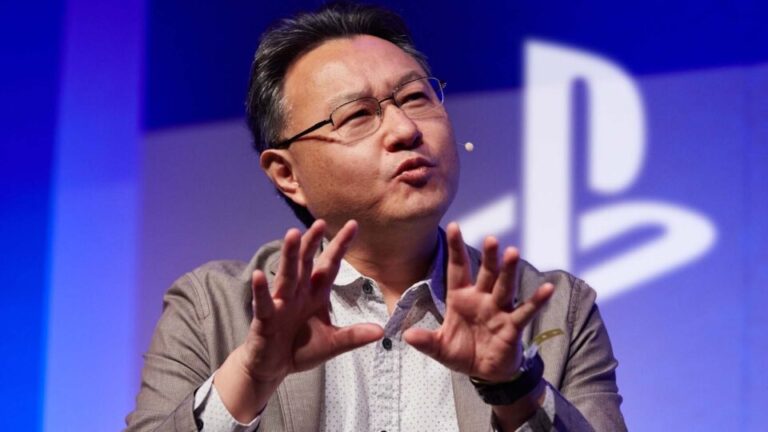
The rift between Yoshida and Ryan extended far beyond executive titles. It foreshadowed the cultural dismantling of PlayStation’s historic development base in Tokyo. Yoshida, who joined the PlayStation project under Ken Kutaragi in February 1993 before the original console launched, viewed Sony's internal Japanese teams as the foundation of the brand's identity.
Ryan's strategy favored Western-centric blockbuster units. Within eighteen months of Yoshida’s removal, Sony formally restructured Japan Studio in April 2021, laying off long-tenured staff and rolling the remaining developers into Team Asobi. Creators behind Ape Escape, Siren, and Gravity Rush were cut loose.
Insiders noted that Yoshida spent years shielding Japan Studio from accounting scrutiny, arguing that prestige and originality justified lower profit margins. Ryan, guided by hard metrics and software sales figures from the North American and European markets, refused to subsidize low-yield projects. Stripped of his authority over Worldwide Studios, Yoshida could only watch from the sidelines as the division he helped construct was dismantled.
The Live-Service Gamble That Vindicated Yoshida's Caution
Ryan pushed internal studios toward multiplayer live-service titles, committing billions to projects that diverted single-player developers away from their core strengths. In 2022, Sony committed to launching twelve live-service games by fiscal year 2025, acquiring Bungie for $3.6 billion to fast-track the initiative.
That aggressive top-down strategy ran directly counter to the production philosophy Yoshida championed. The consequences emerged rapidly:
- Bungie missed revenue projections by 45% in late 2023, triggering mass layoffs and internal turmoil.
- Naughty Dog canceled its multi-year The Last of Us Online project after burning significant internal resources.
- Firewalk Studios' multiplayer shooter Concord suffered a catastrophic launch in 2024, closing just two weeks post-release with estimated losses exceeding $200 million.
By the time Jim Ryan officially retired from Sony Interactive Entertainment in March 2024, his successor Hiroki Totoki had to roll back the live-service roadmap, cutting the pipeline in half. The multi-million-dollar write-downs validated Yoshida’s original skepticism: corporate executives cannot simply decree creative success by fiat.
Community Sentiment: The Developer's Executive
Inside developer communities and gaming forums, Yoshida’s candid admission clarified years of quiet rumors. On ResetEra and Reddit, discussions zeroed in on the stark contrast between Ryan's corporate balance-sheet focus and Yoshida's personal, developer-focused rapport.
Gamers often remember Yoshida sitting on show floors playing indie demos, bantering candidly on social media, and serving as the public face of PlayStation's consumer goodwill during the PS4's dominant run. For many developers, he was a buffer against corporate demands.
The reaction among independent studios was equally pronounced. When Yoshida moved to head the PlayStation Indies initiative, he spent his final years at Sony traveling to events worldwide, platforming small creators, and securing console debuts for independent games. Despite his demotion, Yoshida leveraged his industry standing to protect smaller projects from the corporate machine that replaced him.
Frequently Asked Questions (FAQ)
Q1: Did Jim Ryan officially fire Shuhei Yoshida from Sony Interactive Entertainment?
A1: Ryan did not fire Yoshida from Sony entirely, but he removed him from his leadership role as President of Worldwide Studios. Yoshida was replaced by Hermen Hulst in November 2019 and reassigned to head the PlayStation Indies division after refusing to comply with Ryan's directives.
Q2: What specific demands did Shuhei Yoshida refuse to follow?
A2: Yoshida pushed back against Ryan’s aggressive, top-down centralization strategy, which demanded strict corporate compliance from studio leads, reallocated resources away from regional projects like Japan Studio, and enforced commercial initiatives that prioritized executive mandates over developer autonomy.
Q3: When did Shuhei Yoshida officially leave Sony?
A3: After stepping down from Worldwide Studios in late 2019, Yoshida remained with Sony Interactive Entertainment leading PlayStation Indies until announcing his official retirement from the company in early 2025, completing over three decades of service with the PlayStation brand.
Q4: How did PlayStation Studios change after Hermen Hulst replaced Yoshida?
A4: Under Hulst and Ryan, PlayStation Studios shifted toward higher budgets exceeding $200 million per project, closed Japan Studio, expanded aggressively into PC ports and television adaptations, and made a major, troubled push into live-service games that was later pared back by corporate leadership.
The Lasting Imprint of the Yoshida-Ryan Leadership Divide
The reveal of Shuhei Yoshida's firing removes the corporate veneer that covered PlayStation's transition into the current generation. The executive clash was not a petty turf war; it was an ideological battle over what PlayStation software development should represent.
Jim Ryan built an apparatus focused on corporate efficiency, Western centralization, and revenue-maximizing releases. It achieved immense early commercial success with the PS5 hardware rollout, yet it produced massive budget inflation, severe live-service misfires, and the loss of internal creative diversity.
Yoshida chose insubordination over complicity. By refusing orders he believed would compromise the studios under his care, he surrendered his executive authority. Yet as the consequences of Ryan's live-service ambitions became clear across the industry, Yoshida's insistence on developer autonomy and balanced production stands vindicated by the historical record.


