Visual Proof: The Most Iconic Comedy Skits and Parodies Dominating Social Feeds
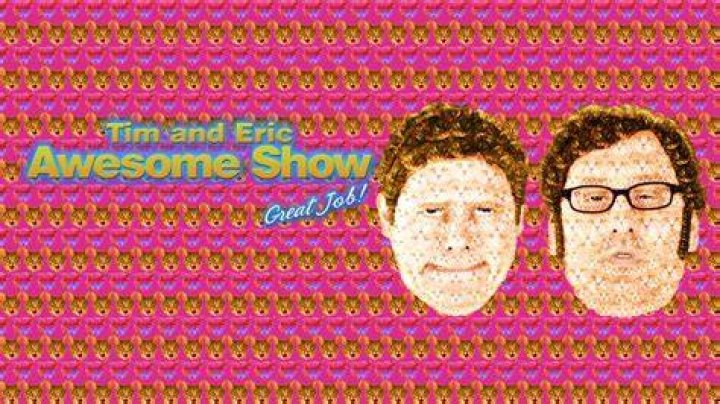
Social feeds do not reward earnest self-promotion anymore; they reward calculated bewilderment. Long before Yung Gravy began pairing pastel silk button-downs with vintage infomercial scripts, a specific strain of subversive anti-comedy quietly rewrote the rules of visual engagement. The lineage traces directly from the scratchy VHS artifacts of mid-2000s late-night programming to the hyper-compressed video sketches dominating feeds today. When examining the eccentric blueprints that built this aesthetic, the Den of Geek Report analyzing the groundbreaking run of Tim and Eric Awesome Show, Great Job! underscores how deadpan pacing, deliberately degraded public-access footage, and grotesque consumer spoofs laid the foundation for modern internet humor.
By 2026, those subversive techniques have migrated from cable television margins into mainstream pop music marketing. Yung Gravy, born Matthew Hauri, did not simply use short-form video platforms as distribution channels; he treated them as stages for surreal character sketches. By treating his hip-hop persona as an elaborate, deadpan comedy skit, he bridged the gap between late-night television satire and streaming stardom.
📌 Key Takeaways:
- The Direct Lineage: Yung Gravy’s viral videos borrow visual grammar, deadpan timing, and analog tape distortion directly from Tim Heidecker and Eric Wareheim’s Adult Swim sketches.
- The Retention Mechanism: Bizarre food parodies and intentional pacing glitches disrupt standard feed scrolling, yielding higher algorithmic watch times than traditional music videos.
- The Mainstream Migration: Techniques pioneered across midnight cable slots have fully colonized legacy formats, directly reshaping contemporary *Saturday Night Live* digital shorts and late-night satire.
The Adult Swim Blueprint That Rewrote Internet Comedy
Alternative television comedy underwent a seismic split in 2007. While network sitcoms relied on predictable multi-camera setups, Tim Heidecker and Eric Wareheim dragged viewers into an unsettling simulation of late-night local television broadcasts. Their sketches weaponized awkward pauses, blown-out greenscreens, and synthetic corporate jingles.
Viewers were not presented with setup-punchline jokes. Instead, sketches assaulted audiences with distorted corporate pitchmen, low-resolution infomercials, and surreal characters like Spagett leaping from behind plastic office foliage. These visual choices felt hostile to network executives at the time. Yet they mirrored the unpolished, erratic nature of early video-sharing platforms.
The digital comedy wave of the 2020s inherited this exact visual cadence. Online sketch creators abandoned crisp, 4K digital clarity in favor of blown-out color grading and jittery tape glitches. When audiences encounter intentional imperfections on an infinite feed, the brain interprets the clip as uncurated reality rather than a corporate advertisement. That split-second confusion is precisely where viewer retention takes hold.
How Yung Gravy Turned Absurdist Skits into Streaming Gold
Matthew Hauri understood an essential truth early in his career: a catchy trap beat over a 1950s soul sample is pleasant, but an absurd visual narrative creates viral obsessions. When Yung Gravy surfaced with singles like "Mr. Clean" and "1 Thot 2 Thot," the accompanying visual content functioned less like conventional music videos and more like serialized character comedy.
Gravy framed himself as a suave, vintage lounge singer trapped inside modern soundstages, flirting with suburban grandmothers and hawking ridiculous culinary concoctions. His TikTok appearances frequently discarded the music entirely, focusing instead on straight-faced comedic sketches, awkward staged encounters, and tongue-in-cheek product endorsements.
The persona works because Hauri refuses to break character. Much like Tim and Eric’s commitment to their grotesque infomercial hosts, Gravy delivers ridiculous non-sequiturs with buttery smooth Midwest earnestness. By refusing to signal that he is joking, he pulls the audience into the joke. Platforms reward this friction; viewers rewatch the clips to determine whether the scenario is genuine, inadvertently supercharging the video's engagement metrics.
Mapping the Evolution: From Midnight Cable to Algorithmic Feeds
The migration of alternative comedy tropes from fringe cable broadcasts to algorithmic content feeds followed a clear, decade-long transition:
| Comedy Era | Primary Production Style | Core Satirical Device | Distribution & Impact |
|---|---|---|---|
| Midnight Cable Era (2007, 2011) | 4:3 aspect ratio, public-access static, distorted VHS tracking | Corporate infomercials, bizarre food bits, painful anti-humor pauses | Cult cable time-slots; early forum sharing; established alternative comedy blueprints |
| SoundCloud & Early Viral Era (2016, 2019) | Campy 1970s soft-focus, vintage stock footage, retro greenscreen | Irony-laced rap playboy tropes, food fixations, thrift-store aesthetics | Organic YouTube hits; breakout streaming metrics surpassing 500M plays |
| Algorithmic Sketch Dominance (2020, 2024) | Vertical 9:16 framing, mobile camera whip-pans, intentionally flat audio | Deadpan viral skits, parody sponsorships, celebrity baiting | Billion-view platform campaigns; direct pipeline to Billboard Hot 100 charting |
| Integrated Post-Satire (2025, 2026) | Mixed-media collages, analog-digital glitches, simulated AI uncanny valleys | Meta-fictional reality crossing, self-referential brand mockery | Ubiquitous visual grammar shaping major studio television and global marketing |
Bizarre Food Parodies and the Psychology of Anti-Humor
Food is deeply personal, sensory, and inherently messy, making it the perfect vehicle for comedic disruption. Tim and Eric frequently built entire sketches around disturbing, artificial sustenance: Cinco Pasta Bear, Totino’s Pizza Rolls parodies, and bowls of lukewarm cream. These bits worked because they warped familiar domestic comforts into something vaguely threatening.
Yung Gravy weaponized that exact edible fixation to build his musical brand. His stage name is culinary; his song titles revolve around breakfast spreads, poultry, and kitchen staples; his promotional skits routinely feature him pouring physical gravy over high-end electronics or breakfast platters in luxury hotels.
The strategy triggers immediate sensory confusion. When a viewer scrolls past conventional fashion reels and suddenly spots a 6-foot-6 rapper pouring canned sauce onto velvet upholstery with absolute seriousness, the scroll reflex stops dead. It subverts the performative wealth displays typical of hip-hop culture, substituting sterile luxury with sticky, low-brow ridiculousness.
Mainstream Satire Takes Notes: SNL Parodies and Late-Night Crossover
The mainstream comedy industry spent years resisting these disjointed anti-comedy tropes before finally capitulating. Traditional late-night television satire historically relied on topical monologues and setup-heavy punchlines. But as younger demographics migrated exclusively to digital platforms, legacy networks had to adapt their visual vocabulary.
The transition became unmistakable when Saturday Night Live hired the sketch comedy group Please Don't Destroy in the early 2020s. Their fast-talking, claustrophobic digital shorts traded classic ensemble dynamics for rapid-fire surrealism, erratic jump cuts, and absurdist premises reminiscent of the Adult Swim era.
By the time Yung Gravy began making high-profile appearances across mainstream award shows and late-night circuits, the culture had caught up to him. Major brands no longer asked musicians to star in earnest promotional campaigns. Instead, corporate advertisers began hiring comedic creators to mercilessly parody their own products, utilizing the self-deprecating, surrealist lens that alternative comedy purists forged decades earlier.
The Technical Mechanics Behind High-Retention Absurdist Clips
Creating high-performing surreal video comedy requires rigid structural discipline beneath the apparent chaos. Creators who successfully capture millions of views do not produce random absurdity; they follow strict visual pacing rules:
First, the opening frame must disrupt pattern recognition within 0.4 seconds. Traditional narratives build context slowly, but modern viral sketches open in media res with an uncanny visual element, such as a retro microphone placed in an oversized bowl of mashed potatoes.
Second, the audio design intentionally avoids polish. High-engagement comedy videos frequently deploy clipped microphone audio, sudden drops in ambient room noise, and vintage library muzak playing at slightly incorrect volumes. This sonic dissonance mirrors low-budget public-access broadcasts, immediately cuing the audience that the content belongs to the subversive lineage of anti-humor.
Finally, the edits deliberately clip the punchline. Rather than allowing a joke to breathe or featuring characters laughing at their own wit, the video abruptly cuts mid-reaction. This hard-cut technique forces the viewer’s brain to fill in the missing reaction, frequently prompting repeat loops that algorithmic recommendation engines interpret as high viewer engagement.
Frequently Asked Questions (FAQ)
Q1: Why are Tim and Eric considered foundational to modern social media humor?
A1: Tim Heidecker and Eric Wareheim pioneered the deliberate use of video distortion, awkward pacing, anti-punchlines, and public-access parodies. Their style anticipated the fragmented, self-referential irony that defines modern internet comedy across video feeds.
Q2: Is Yung Gravy's musical persona considered a legitimate sketch comedy act?
A2: Matthew Hauri deliberately designed Yung Gravy as an intersection between parody and hip-hop performance. His music videos, social media skits, and public appearances function as an ongoing comedic character study heavily influenced by 1970s camp and absurdist satire.
Q3: Why do creators use intentional lo-fi and VHS glitches instead of high-definition video?
A3: Audiences instantly recognize high-definition, color-corrected footage as polished corporate advertising, prompting them to scroll past. Intentional analog defects, awkward zoom lenses, and vintage aspect ratios feel spontaneous, driving stronger viewer retention rates.
The Enduring Visual Language of Absurdist Satire in 2026
Visual comedy on social platforms has outgrown simple slapstick. The aesthetic pioneered by late-night cable experiments has matured into the dominant visual language of internet culture. Performers like Yung Gravy proved that incorporating anti-comedy sketches into mainstream music isn't merely an eccentric hobby, it is a formidable audience-building vehicle.
Audiences increasingly reject polished commercial presentation in favor of unhinged, self-aware entertainment. As long as feeds remain crowded with uniform digital gloss, the antidote will always be grainy footage, deadpan stares, and a generous pour of surreal humor.


