Watch the Original Clip: How Gia Giudice’s 2011 RHONJ Song Exploded on TikTok
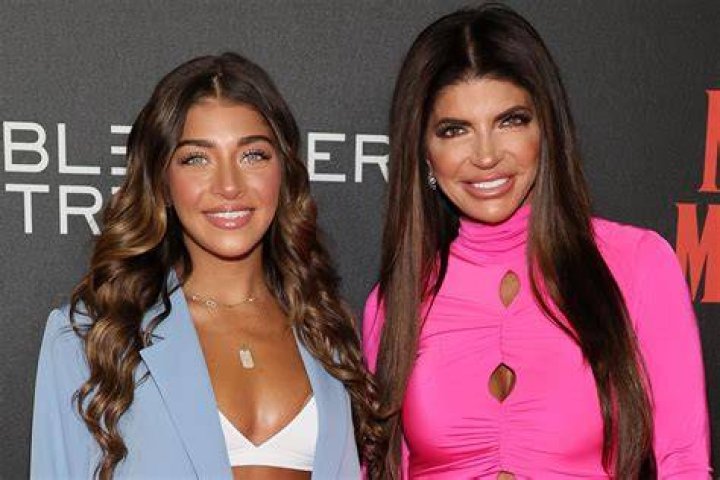
In May 2011, during the explosive third season of Bravo’s The Real Housewives of New Jersey, a ten-year-old girl stood beside an electric piano and wept while singing an agonizing plea for peace. Gia Giudice, the eldest daughter of Teresa Giudice, wrote the ballad to beg her mother and her uncle, Joe Gorga, to stop ripping their family apart. Viewers at the time watched through their fingers, unsettled by a raw portrait of domestic fracture broadcast for reality television ratings.
Ten years later, the internet did what the internet always does: it stripped the tragedy from the audio and turned it into a global punchline. As detailed in an E! News Report tracking the phenomenon, a short snippet of the song transformed into a massive TikTok trend sound. Users across the globe adopted Gia’s melancholy vocal run to confess their most humiliating childhood mistakes, bad dates, and social missteps. The trajectory from genuine heartbreak to algorithmic comedy offers a telling case study in how social media recycles reality television history.
📌 Key Takeaways:
- The Bravo Origin: Gia Giudice performed the original song in 2011 during RHONJ Season 3, Episode 16, attempting to reconcile her feuding mother and uncle.
- The Viral Flip: In early 2021, TikTok creators disconnected the melancholy audio from its heavy context, turning the opening lines into the definitive soundtrack for embarrassing personal memories.
- Gia's Modern Ownership: Rather than fighting the meme, Gia Giudice reclaimed the narrative on social media, using the viral wave to launch merchandise and control her public brand.
The Family Feud Behind Gia Giudice’s 2011 Performance
The song was born out of reality television warfare. During the inaugural episodes of The Real Housewives of New Jersey Season 3, the Giudice and Gorga clans clashed in an infamous brawl at a christening reception. Teresa Giudice and her brother Joe Gorga traded insults, physical blows were thrown, and the children were caught in the crossfire.
Gia Giudice spent the following months watching her family disintegrate under the scrutiny of television cameras. Working with a local vocal coach, she decided to write and perform an original song at her younger sister Milania’s fifth birthday party.
The scene remains one of the most painful sequences Bravo ever aired. While adults sat at picnic tables holding paper plates, Gia stood in a blue dress, gripping a microphone with trembling hands. Her voice cracked through tears. Teresa wept into paper napkins, Joe Gorga looked at the floor in shame, and Joe Giudice attempted to maintain his stoic composure. The performance was not meant to launch a pop career; it was an open distress signal from a child exhausted by adult dysfunction.
The Full Lyrics and What Happened in the Original Bravo Clip
Many internet users who discovered the sound on social media never heard the complete performance. The viral loop cuts off after the opening lines, but the full song laid bare the domestic stress inside the Montville, New Jersey mansion.
The transcribed lyrics of the performance reflect an unvarnished cry for stability:
"Waking up in the morning,
Thinking about so many things.
I just wish things would get better,
I’m trying to get rid of them.
I try to walk away,
I already feel like doomsday.
Thinking about what’s going on,
I just want all this fighting to stop.
I just want us to be a family again..."
In the unedited clip, Gia’s vocal teacher plays the chord progression on an electronic keyboard set to a gentle synth pad. As Gia reaches the line about "doomsday," she openly breaks down, clutching her chest. Her aunt Melissa Gorga watches with wide eyes, whispering about how tragic the situation has become. When the song finishes, Teresa rushes over to embrace her daughter, whispering apologies into her hair. The scene ended the episode on an unsettling note, reminding audiences that reality TV spectacle carries real human consequences.
From Bravo Melodrama to Algorithmic Gold: A Media Timeline
The evolution of Gia's song from an uncomfortable cable television moment into a multi-platform sensation played out across fifteen years. The shift accelerated as digital platforms changed how audiences consume archival television.
| Timeframe | Platform / Milestone | Cultural Reaction |
|---|---|---|
| May 2011 | Bravo TV Broadcast (RHONJ S3, Ep 16) | Critical backlash against the parents; viewers call the scene deeply unsettling. |
| March 2021 | TikTok Audio Isolation by User @vrewls | The opening 8 seconds go viral; millions create self-deprecating video confessions. |
| April 2021 | Celebrity Adoption (Cardi B, Will Smith) | The sound enters mainstream pop culture; Gia Giudice records her own TikTok response. |
| 2023, 2026 | Legacy Status & Commercial IP | Gia sells themed merchandise, graduates college, and secures ongoing brand partnerships. |
Why TikTok Repackaged a 10-Year-Old’s Tears Into Camp Humor
The explosion of the audio clip in 2021 baffled anyone who remembered the original broadcast. The transition happened because TikTok functions as a contextual vacuum. When user @vrewls isolated the audio, the heavy backstory disappeared. What remained was a simple, repetitive minor-key loop accompanied by a child's dramatic vibrato.
Creators paired the audio with deadpan stares into the camera, using text overlays to explain moments of intense personal embarrassment. Cardi B posted a photo of her red carpet look with the audio playing in the background. Will Smith used it to score an old clip of his disastrous dancing. College students used it to narrate sending an accidental email to a professor.
The contrast between Gia's tragic delivery and low-stakes modern embarrassments created the comedy. By stripping the video of its Bravo branding, the algorithm repurposed genuine grief into universal cringe humor.
How Gia Giudice Reclaimed Her Own Childhood Tragedy
Many reality TV children find their early lives commodified without their consent, retreating from public life as adults. Gia Giudice took a radically different path.
When the trend caught fire, Gia was an undergraduate at Rutgers University pursuing a degree in criminal justice. Instead of issuing takedown notices or expressing outrage, she posted her own video to TikTok, miming along to her ten-year-old self with a wry smile. The move neutralized the mockery. She embraced the sound, launched a line of sweatshirts emblazoned with the lyric "Waking up in the morning," and directed the sudden surge in attention toward her personal projects.
By leaning directly into the meme, Giudice transformed an invasive piece of Bravo history into a profitable asset. She managed to take an incident where she had zero agency as an anxious child and assert complete ownership over it as an adult influencer.
Frequently Asked Questions (FAQ)
Q1: What episode of Real Housewives does Gia Giudice sing the song?
A1: Gia performs the song in Season 3, Episode 16 of The Real Housewives of New Jersey, titled "In the Name of the Father," which aired on Bravo in 2011.
Q2: Who originally posted the audio clip on TikTok?
A2: TikTok user @vrewls isolated the audio track in March 2021, removing the visual footage and setting the stage for creators to use the sound for self-deprecating memes.
Q3: Did Gia Giudice ever release an official studio version of the song?
A3: No official studio single was ever recorded or released to streaming services. The sound remains preserved primarily through Bravo’s original broadcast and audio rips circulating on social platforms.
Q4: How did Teresa Giudice react when the song went viral a decade later?
A4: Teresa publicly praised her daughter’s composure, noting during media interviews that she was proud of how Gia handled the unexpected attention and turned a painful memory into a fun moment.
The Cultural Afterlife of Bravo’s Most Famous Ballad
The enduring shelf-life of "Waking Up in the Morning" reveals the strange mechanics of modern celebrity. Archival television moments no longer stay buried in network vaults; they wait dormant on streaming platforms until an algorithm plucks them out of obscurity and assigns them entirely new meanings.
Gia Giudice’s childhood song began as an earnest attempt to repair a broken family under the glare of studio lighting. Decades later, it survives as shorthand for the small humiliations of everyday life. For Gia, the transformation represents a quiet victory. She outgrew the dysfunction of her childhood reality series, took control of the punchline, and built an independent digital brand out of one of cable television's most chaotic moments.


