Weaponized Spam Calls: Inside the Digital Pranks Flooding Phones and the Legal Fallout

A smartphone sits on a desk, silent. Within ninety seconds, it transforms into a vibrating brick. First comes a call from an auto insurance clearinghouse in Ohio, followed three seconds later by a solar panel vendor from Arizona, a commercial roofer from Florida, and an automated mortgage refinance system dialing from an unassigned local exchange. By the twentieth call in ten minutes, the device is unusable. The owner did not ask for home repairs, refinancing, or health insurance quotes. Someone else submitted their name, phone number, and address into an online comparison engine, weaponizing modern commercial telephony as an instrument of targeted harassment.
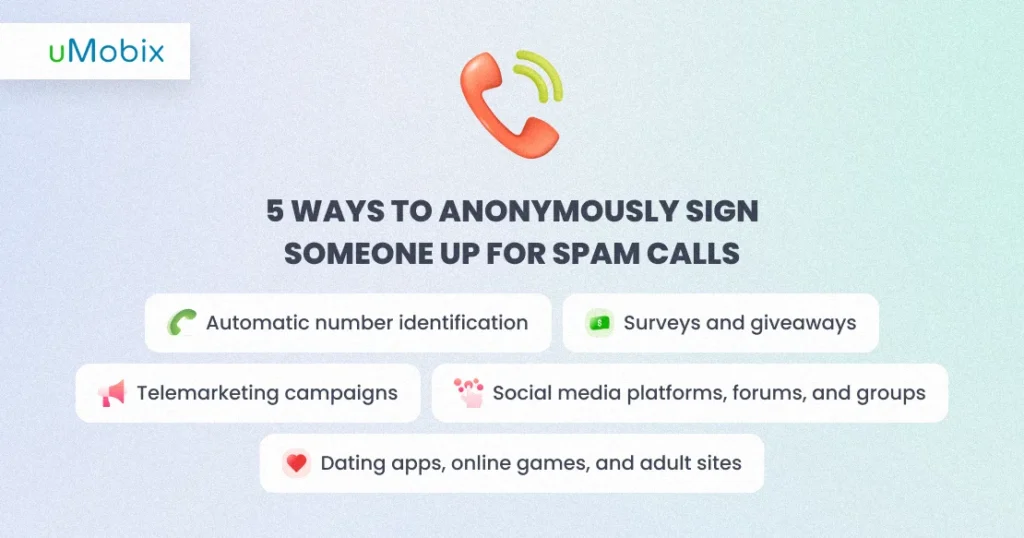
Online revenge forums and social media channels frequently whisper about entering an adversary's contact details into predatory quote forms as an untraceable, harmless prank. That assumption is dangerously outdated. As highlighted in a recent kqed.org Report examining how hundreds of thousands of consumers are aggressively stripping their personal details from public registries, our personal data infrastructure has become heavily commercialized and intensely volatile. Manipulating this commercial ecosystem to trigger unsolicited robocalls against an unsuspecting target crosses directly into state and federal wire fraud, statutory telemarketing violations, and criminal harassment.
📌 Key Takeaways:
- The Mechanism: Entering a victim's details into commercial landing pages activates ping-tree lead distribution networks, blasting the phone number to dozens of high-velocity autodialers in seconds.
- The Legal Traps: Submitting fraudulent lead forms strips the perpetrator of anonymity, exposing them to civil lawsuits under the Telephone Consumer Protection Act (TCPA) and federal computer abuse charges.
- Regulatory Friction: The National Do Not Call Registry fails to block these attacks because telemarketers operate under the mistaken belief that the victim granted prior express written consent.
- Remediation Strategy: Silencing call storms requires pairing mobile OS-level screening filters with carrier-grade security protocols and state-level personal data deletion requests.
How Rogue Quote Forms Turn a Phone Number Into an Attack Vector
The speed of modern commercial lead generation makes digital revenge pranks devastatingly effective. High-volume industries like health insurance, solar panel installation, roofing, and debt consolidation rely on distributed lead aggregators rather than internal sales teams. When a user lands on a seemingly generic comparison site and enters personal data, the backend architecture does not simply email an agent. It launches a real-time programmatic auction known as a ping tree.
The aggregation platform packages the input data and broadcasts an anonymized ping to dozens of prospective buyers. Bidding software calculates the value of the lead within milliseconds. The highest bidders purchase the contact record, and their customer relationship management systems instantly cue outbound predictive dialers. If five independent call centers buy the lead simultaneously, five distinct autodialers initiate calls within four seconds of the submit button being clicked.
When someone weaponizes this system, the victim experiences a localized Telephony Denial of Service (TDoS) attack. Because every call originates from a real business operating on legitimate infrastructure, standard carrier spam blocking algorithms often fail to recognize the initial wave as illegitimate. The companies dialing believe they are acting on a high-intent inbound inquiry.
The Collapse of the Multi-Partner Consent Loophole
For decades, lead brokers skirted regulatory scrutiny through expansive consent language buried in website footers. A single mouse click on a "Get Free Quotes" button routinely bound the consumer to "express written consent" for hundreds of unseen third-party marketing partners. The Federal Communications Commission stepped in to close this structural gap, introducing strict one-to-one consent mandates that require aggregators to name every single caller explicitly before automated dialing occurs.
This regulatory shift dramatically changes the legal landscape for fraudulent lead forms. When a harasser inputs someone else's phone number, no valid consent exists. The Telephone Consumer Protection Act strictly prohibits dialing residential and wireless numbers via artificial voice or autodialers without actual prior express consent. Under federal law, statutory damages sit at $500 per call, escalating to $1,500 per violation if the violation is proven willful and knowing.
Lead generation firms now deploy advanced tracking mechanisms to insulate themselves from these catastrophic penalties. Modern platforms capture the user's public IP address, browser fingerprint, geographical coordinates, Internet Service Provider, and real-time screen recordings through verification software like Jornaya or TrustedForm. When an enraged phone owner files a complaint or initiates litigation, the broker produces this audit log to prove they did not fabricate the inquiry. That evidence trail points directly back to the device and internet connection used to stage the prank.
Evaluating Harassment Vectors and Statutory Exposures
Malicious actors mistakenly view lead spam as a consequence-free prank. In reality, state and federal statutes treat automated telephone harassment through distinct civil and criminal mechanisms depending on the vector deployed.
| Harassment Tactic | Underlying Technical Mechanism | Primary Statutory Violation | Typical Legal Penalty Range |
|---|---|---|---|
| Fraudulent Lead Form Injection | Ping-tree aggregators routing fake consent data to call center APIs | TCPA (47 U.S.C. § 227) & State Identity Theft Laws | $500, $1,500 per call civilly; misdemeanor fraud charges |
| Targeted Phone Number Spoofing | Manipulating SIP trunk metadata to mimic trusted callers | Truth in Caller ID Act (47 U.S.C. § 227(e)) | FCC civil fines up to $10,000+ per deliberate spoof |
| Automated Call Bombing (TDoS) | Botnets flooding phone lines with continuous dead-air calls | Computer Fraud and Abuse Act (18 U.S.C. § 1030) | Federal felony charges; 5, 10 years imprisonment |
| Data Broker Aggregation Flooding | Harvesting public directory numbers to publish on grey web portals | State Online Harassment & Stalking Statutes | Restraining orders, compensatory damages, criminal stalking fines |
Why the National Do Not Call Registry Offers No Shield
The first instinct for many victims under attack is checking their status on the Federal Trade Commission's National Do Not Call Registry. If the number has been registered for years, the immediate assumption is that the government registry has failed. In reality, the architecture of the registry contains an inherent operational blind spot that attackers deliberately exploit.
The Do Not Call implementation explicitly permits calls to registered consumers if the caller possesses an established business relationship or valid prior written authorization. When a rogue web form is executed, the backend system manufactures this authorization on the fly. The calling party's compliance software cross-references the registry, sees an active registration, checks the freshly minted submission timestamp from the quote aggregator, and marks the record as exempt based on apparent consent.
This dynamic strips the consumer of statutory shields precisely when they need them most. Because the dialer operates under the presumption of consent, calls bypass internal compliance suppression lists. The victim must manually revoke consent with every individual entity dialing their number, a process that becomes an exhausting game of whack-a-mole when the inquiry has been distributed to dozens of regional contractors.
The Technical Playbook for Neutralizing an Inbound Attack
Halting an active call storm requires immediate, layered technical intervention. Waiting for callers to stop dialing naturally is ineffective; lead brokers frequently resell uncontacted leads across secondary and tertiary networks over a span of weeks.
The first defensive layer involves hardware-level containment. On iOS, toggling Silence Unknown Callers immediately forces any number not saved in your contacts, recent outgoing calls, or Siri suggestions directly to voicemail. Android users can activate Call Screen or set the Phone app's caller ID shield to strictly block calls identified as spam or private. This stops the sensory barrage and preserves the smartphone's core functionality for actual emergencies.
The second layer requires carrier engagement. Major networks offer deep-packet network inspection services, such as AT&T ActiveArmor, T-Mobile Scam Shield, and Verizon Call Filter. These systems verify STIR/SHAKEN cryptographic handshakes at the switch level. While they cannot distinguish a legitimate customer lead from an unauthorized submission, they reliably detect rapid bursts of unassigned local VoIP numbers used by high-velocity dialers.
The third layer requires systematically cutting off the upstream fuel supply through targeted data broker removal and personal data deletion. Once an individual's phone number, home address, and vehicle ownership details sit exposed across data broker directories like Whitepages, BeenVerified, or Radaris, bad actors can repeatedly harvest that data to feed malicious quote forms. Exercising state-mandated opt-out frameworks, such as California's Delete Act registries, permanently purges personal profiles from the commercial clearinghouses that feed rogue aggregators.
The Digital Paper Trail: Tracing and Prosecuting the Perpetrator
Submitting false data through a web portal creates an extensive forensic footprint. Perpetrators operating under the illusion of digital anonymity routinely leave behind evidentiary trails that legal counsel and law enforcement can quickly subpoena.
Every commercial quote form utilizes telemetry tools designed to defend against ad fraud and maintain click attribution. When an inquiry is submitted, the platform captures the user's source IP address, user-agent string, exact timestamp down to the millisecond, and cookie session identifiers. If the submitter used a residential broadband connection or an unmasked cellular connection, that IP address identifies their direct account with a simple civil subpoena directed to the Internet Service Provider.
Even actors who route traffic through commercial Virtual Private Networks (VPNs) face severe attribution risks. Advanced lead generation networks deploy bot-mitigation tools from companies like Cloudflare and DataDome. These services routinely challenge or log suspicious routing hops, correlating submission behavior with hardware characteristics and browser canvas hashes. In cases escalating to criminal stalking or enterprise-level business disruption, state attorneys general and federal prosecutors leverage electronic communication transaction logs to trace the path back to the initiating terminal.
Frequently Asked Questions (FAQ)
Can I track down the person who submitted my phone number to spam forms?
Yes, but it typically requires legal intervention. When companies call, request the name of the lead aggregator that supplied your information alongside the original submission timestamp. A formal civil lawsuit or law enforcement subpoena can compel the lead generation company to release the IP address, device fingerprint, and session logs recorded at the time of submission, which can then be matched to an ISP subscriber.
Why didn't my registration on the Do Not Call Registry protect me?
The National Do Not Call Registry prevents unsolicited telemarketing, but it permits companies to call when they believe they have your prior express written consent. A fraudulent web form falsely certifies that consent, creating a loophole that leads legitimate sales systems to believe you requested contact.
Can I sue the businesses that call me after someone else submitted my number?
Initially, businesses possess a good-faith defense if they purchased what appeared to be a verified, compliant lead. However, once you explicitly state, "This submission was fraudulent, I revoke all consent, and you must add my number to your internal do-not-call list," any subsequent call from that company violates the TCPA, exposing them to civil damages of up to $1,500 per call.
What is the quickest way to silence a call flood without changing my number?
Immediately enable native call filtering on your device. On iPhone, navigate to Settings > Phone > Silence Unknown Callers. On Android, open the Phone app, tap the three dots > Settings > Caller ID & Spam, and turn on "Filter spam calls." This diverts all unsaved numbers straight to voicemail while you triage the situation.
Reclaiming the Cell Phone in an Era of Weaponized Leads
The commercial incentives driving high-velocity lead generation have outpaced the regulatory guardrails meant to protect everyday citizens. By connecting automated dialers directly to online forms without multi-factor identity verification, the digital marketing industry inadvertently built an easily abused, low-barrier harassment engine. Dropping an enemy's phone number into a few unsecured forms takes less than two minutes, but the resulting fallout disrupts careers, creates deep psychological stress, and paralyzes everyday communication.
Dismantling this dynamic requires accountability from every link in the chain. Regulators must enforce one-to-one consumer verification standards with zero tolerance for predatory lead aggregators. Telecommunications carriers must accelerate the deployment of behavioral anomaly detection to identify and throttle sudden bursts of outbound calls triggered by fraudulent inquiries. Most importantly, individuals who weaponize these quote forms must understand that the internet rarely preserves the anonymity they count on. Behind every web form sits an active server log, and behind every abusive call storm lies a trail of statutory liability waiting to be answered in court.


