What Does BTS Stand For? Fact-Checking Rumors, Translations, and Korean Roots
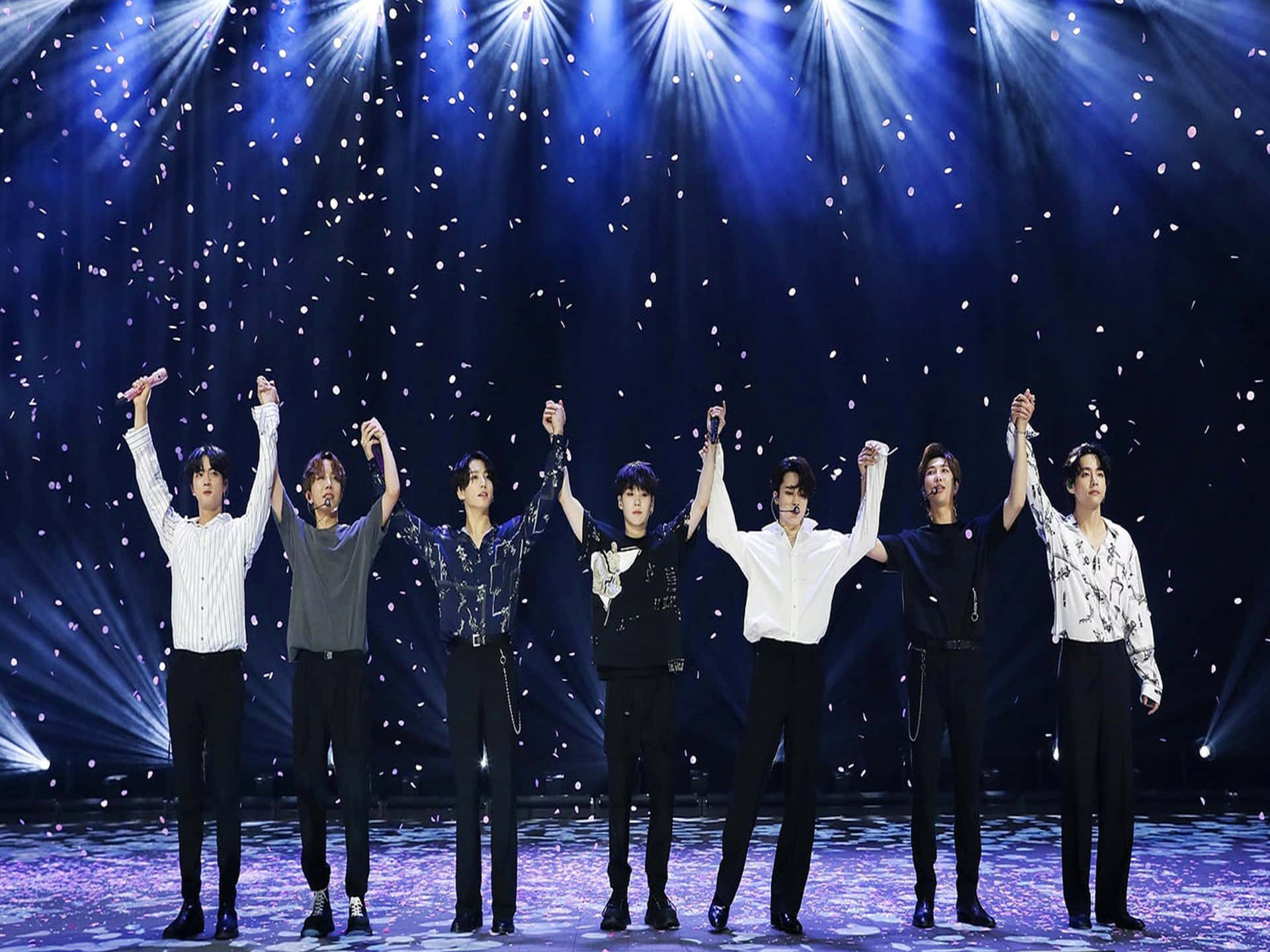
When the seven members of BTS reconvened in early 2026 to announce their studio album Arirang, global search engines experienced an immediate surge in a decade-old query: what do those three letters actually mean? Despite shattering box office records, addressing the United Nations, and altering the trajectory of international pop music, the group still contends with widespread confusion regarding their official name. As analyzed in a recent Just Jared Report covering their single "They Don't Know 'Bout Us," the septet frequently reflects on how Western audiences project simplified labels onto an identity rooted in intricate Korean linguistics.
The name BTS is not an accidental marketing tag. It carries a dual definition shaped by Korean linguistic heritage, strategic corporate rebranding, and socio-political themes. Grasping the true meaning behind the acronym requires peeling back linguistic layers, Hanja characters, and a pivotal corporate shift in 2017.
📌 Key Takeaways:
- The Primary Meaning: BTS stands primarily for Bangtan Sonyeondan, an original Korean phrase translating directly to "Bulletproof Boy Scouts."
- The Dual Acronym: In July 2017, Big Hit Music established an official secondary English meaning, "Beyond The Scene," designed to represent youth moving past societal barriers.
- Persistent Misconceptions: BTS has never stood for "Behind The Scenes," "Born To Slay," or "Bangtan Boys," despite persistent claims circulating on social platforms.
The Original Korean Moniker: Bangtan Sonyeondan and Its Hanja Roots
The foundational identity of the group is anchored in the Korean name Bangtan Sonyeondan (방탄소년단). When translated literally into English, the phrase reads "Bulletproof Boy Scouts."
The moniker was selected by Big Hit Music founder Bang Si-hyuk prior to the group's official debut in June 2013. In South Korean entertainment culture, group names often rely on Sino-Korean morphemes written in Hanja, the traditional Chinese characters embedded within the Korean writing system.
Breaking down the name reveals intentional visual and thematic choices:
- Bang (防): To defend, resist, protect, or block.
- Tan (彈): A bullet, shell, or projectile.
- Sonyeon (少年): Youth, young boys, or adolescents.
- Dan (團): A collective, team, corps, or organized society.
Combined, Bangtan signifies resistance against incoming projectiles. During the group’s initial media presentations in Seoul, member J-Hope clarified that the conceptual "bullets" were not literal weapons. Instead, they stood for the pervasive prejudices, unrealistic academic demands, systemic criticisms, and social expectations aimed at adolescents and young twenty-somethings. The band was assembled to act as a metaphorical bulletproof vest for their peers, deflecting societal judgment while expressing youth anxieties through hip-hop lyricism.
The 2017 Global Rebrand: What Beyond The Scene Actually Means
By mid-2017, BTS had outgrown the domestic market and begun systematically penetrating international charts, winning Top Social Artist at the Billboard Music Awards. This expansion posed a branding dilemma: "Bulletproof Boy Scouts" sounded awkwardly militaristic or childish to Western media outlets unfamiliar with K-pop naming conventions.
On July 5, 2017, Big Hit Music released an official brand identity video unveiled across global platforms. The company announced that while the group’s Korean name remained Bangtan Sonyeondan, the Romanized acronym BTS would officially encompass an expanded secondary English meaning: Beyond The Scene.
This expansion served two operational purposes:
First, it established a cohesive philosophical continuity. Big Hit Music explained that "Beyond The Scene" depicted young people opening the door to their future rather than remaining trapped inside societal status quos. It shifted the brand message from passive defense, wearing a bulletproof vest, to proactive motion, stepping beyond the boundaries placed before them.
Second, it standardized English media coverage. Major broadcasters no longer had to choose between stumbling over the pronunciation of Bangtan Sonyeondan or using the informal label "Bangtan Boys." The rebranding gave global media an elegant, official Western counterpart while retaining the three-letter trademark.
Evolution of Identity: Tracking the Band’s Names, Eras, and Milestones
Understanding the linguistic arc of BTS requires mapping how their identity evolved alongside their commercial scale. The table below outlines how the band's nomenclature transformed over crucial career phases.
| Era & Timeframe | Official Nomenclature | Strategic Cultural Focus |
|---|---|---|
| Debut Era (2013, 2016) | Bangtan Sonyeondan (防彈少年團) | Hip-hop counterculture addressing South Korean school pressures and rigid class expectations. |
| Global Crossover (2017, 2019) | BTS ("Beyond The Scene") | Broadened universal messaging of self-acceptance via the Love Yourself series and UN campaigns. |
| Stadium Era (2020, 2022) | BTS (Standard International Trade Name) | Global stadium tours and Billboard Hot 100 chart-toppers ("Dynamite," "Butter"). |
| Reunion & Heritage (2025, 2026) | BTS / Bangtan Sonyeondan | Post-military return spotlighting traditional roots via the Arirang album and mature introspection. |

Debunking the Rumors: What BTS Definitely Does Not Mean
As BTS established dominance across international streaming charts, incorrect folk etymologies proliferated online. Many casual listeners drew conclusions based on common Western media abbreviations.
The most widespread mistake assumes BTS stands for "Behind The Scenes." In film and media production, "BTS footage" has stood for behind-the-scenes material for decades. While early search algorithms regularly mixed entertainment jargon with the Korean pop group, the two usages share no creative or corporate connection.
A secondary urban myth argues that the initials represent "Born To Slay" or "Better Than Sex." These colloquial slogans originated on fan-run social media accounts on Tumblr and X between 2014 and 2016 as playful jokes. They were never official corporate titles, nor did management ever register them.
A third point of contention involves the name "Bangtan Boys." Although music journalists and Western labels often used this term in early press releases because it rolled off the tongue easily, Big Hit Music never recognized it as their primary trademark. It acted merely as an informal promotional bridge before the 2017 rebrand established "Beyond The Scene."
The ARMY Connection: Deciphering the Fandom’s Military Metaphor
One cannot examine the meaning of BTS without looking at their official fandom: ARMY. Established on July 9, 2013, the fandom name is an intricate acronym matching the band's initial defensive theme.
ARMY stands for Adorable Representative M.C. for Youth.
The term "M.C." draws directly from hip-hop culture, where an MC commands the microphone and acts as a master of ceremonies. By labeling their listeners "Representative M.C.s for Youth," the group positioned their fans as spokespeople for their generation's lived realities.
Beyond the acronym, the name plays deliberately on the literal English word army. Because the band's core identity revolves around bulletproof armor (Bangtan), the fans and the musicians exist in symbiosis: the armor shields the military, and the military defends the armor. This unified branding turned passive listeners into an active, globally mobilized community that drives streaming campaigns, handles translation networks, and funds international charity efforts.
Cultural Resonance from Debut to the 2026 Arirang Comeback
The cultural weight of the group's name took on renewed significance heading into their 2026 comeback album, Arirang. In traditional Korean heritage, "Arirang" is an ancient folk song recognized on the UNESCO Representative List of the Intangible Cultural Heritage of Humanity. It serves as an emotional touchstone for overcoming deep national sorrow, separation, and shared struggle.
By titling their comeback project after this folk hymn, BTS brought their identity full circle. As reported by Forbes during the album’s rollout, the record represents an intentional return to domestic cultural roots following years of global stadium tours and mandatory military service. The lyrics on tracks like "They Don't Know 'Bout Us" confront the tension of being simplified into an Americanized pop phenomenon while remaining deeply tied to Korean society.
The name Bangtan Sonyeondan was never just a pop label. It began as an artistic critique of South Korean institutional pressures and evolved into an international mission of resilience.
Frequently Asked Questions (FAQ)
Q1: Does BTS stand for "Behind The Scenes"?
A1: No. While "behind the scenes" is an industry abbreviation in video production, the music group BTS stands for Bangtan Sonyeondan in Korean and Beyond The Scene in English.
Q2: How is Bangtan Sonyeondan pronounced?
A2: It is pronounced roughly as BAHNG-tahn SOHN-yuhn-dahn. The initial "B" sounds close to a soft "P" in standard Korean phonetics, and the vowels are open and rounded.
Q3: Did BTS change their original Korean name in 2017?
A3: No. Their primary legal name in South Korea remains Bangtan Sonyeondan (방탄소년단). Big Hit Music simply added "Beyond The Scene" as an official global branding layer for international audiences.
How Three Letters Defined a Global Generation
The global footprint of BTS proves that a name can evolve without discarding its core identity. What began in 2013 as a small-agency hip-hop project called "Bulletproof Boy Scouts" has expanded into an internationally recognized brand that balances cultural roots with cross-border accessibility.
Whether listeners read those three letters as Bangtan Sonyeondan defending youth against judgment, or Beyond The Scene encouraging people to push past personal limits, the underlying purpose remains identical. BTS has anchored its identity in shielding its audience from cynicism while validating the complex, evolving experiences of youth worldwide.


