What Does ‘LARP’ Actually Mean on TikTok? The Real Definition Behind the Slang
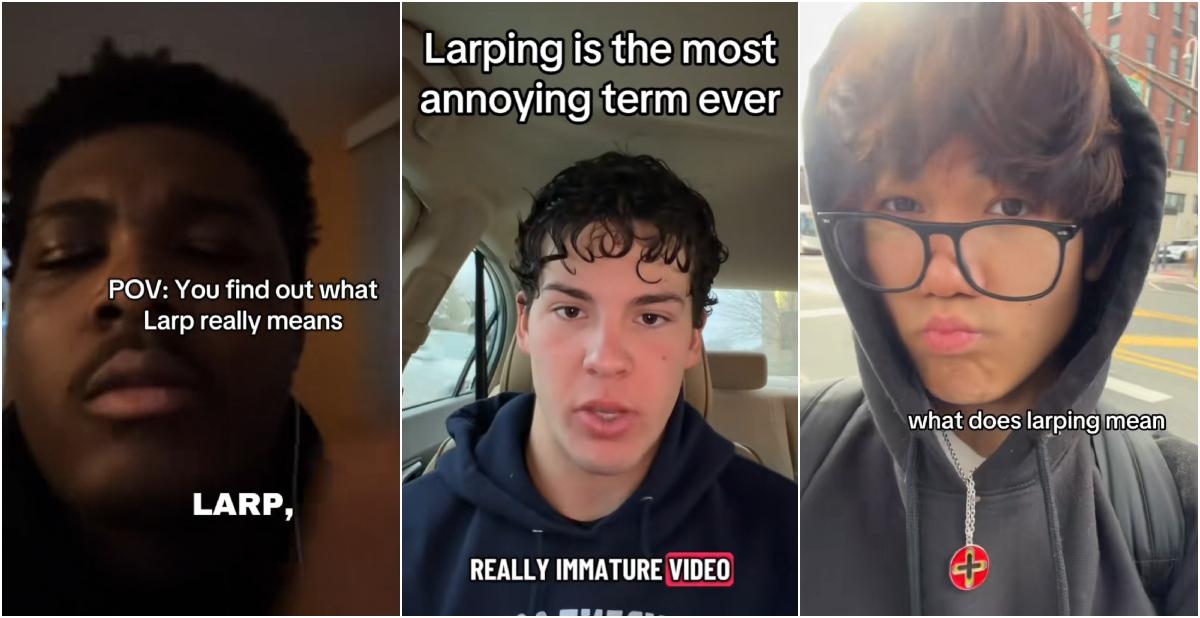
Scroll through the comment section beneath a viral clip of an influencer detailing their dawn-to-dusk routine as an alleged venture capitalist, and one specific word appears over and over: "Larper." Over the past few months, an acronym originally coined for tabletop enthusiasts fighting with foam broadswords in public parks has hardened into social media's favorite weapon against inauthenticity. As highlighted in a sharp nytimes.com report on the migration of gaming jargon into mainstream internet insults, the label has completely outgrown its fantasy origins.
The term no longer describes people pretending to be high elves or medieval warlords for an afternoon of outdoor recreation. On short-form video platforms, calling someone a larper is a devastating indictment of character. It cuts directly to the core of modern online identity performativity, accusing the creator of manufacturing an entire lifestyle, tax bracket, political stance, or subcultural background for algorithmic clout.
📌 Key Takeaways:
- The Real Definition: While LARP historically stands for "live action role playing," modern Gen Z internet slang treats it as a ruthless synonym for poser, fraud, or cultural tourist.
- The Viral Catalyst: Widespread coverage across outlets like USA Today, Mashable, and The Tab highlighted how TikTok users deploy the label to dismantle staged wealth, exaggerated hustle culture, and aesthetic roleplay.
- The Mechanism: Accusing a creator of larping does not just challenge their claims; it suggests they are trapped in a self-deluding theatrical performance that everyone else can clearly see through.
From Foam Swords to Comment Section Warfare
To grasp why the word carries such cultural weight, one must understand its slang etymology. Live action role playing emerged during the late 1970s and early 1980s as an extension of tabletop games like Dungeons & Dragons. Participants created physical costumes, drafted statistical backstories, and gathered in forests or community centers to act out sprawling fantasy narratives. It required total commitment to a shared fiction. Everyone involved knew the armor was cardboard and the spellcaster was an accountant, yet the fun relied on playing along.
For decades, gaming terms in pop culture occupied distinct subcultural boundaries. That partition broke down as early imageboards and political forums like 4chan began adopting the phrase during the 2010s. Anonymous commenters started describing online political extremists as "larpers", individuals adopting militant rhetoric and tactical aesthetics behind anonymous avatars without ever engaging in actual physical organizing. The word evolved from describing harmless weekend escapism to exposing hollow posturing.
By the time the term colonized TikTok comment trends, its meaning had narrowed into a clean, surgical strike. When users leave comments reading "bro is larping as a tradesman" or "she is larping poverty for views," they are not mocking fantasy games. They are declaring that the creator’s entire public persona is an unconvincing costume party.
Why Calling Someone a Larper Stings More Than Poser
For previous generations, calling someone a poser was the ultimate insult. In punk and skater subcultures during the 1990s and 2000s, a poser was an outsider who bought the merchandise without doing the homework or taking the physical risks. The word had bite, but it still assumed a degree of passive mimicry.
The modern larper insult carries far more psychological sting. When someone calls you a poser, they accuse you of wearing an aesthetic you did not earn. When they accuse you of larping, they argue that you are fundamentally divorced from reality. The accusation suggests that you are actively staging a one-person play, narrating an imaginary biography, and aggressively demanding that an audience validate your delusion.
TikTok accelerates this dynamic because the platform rewards rapid micro-identities. Users adopt aesthetics like "dark academia," "cottagecore," "clean girl," or "blue-collar chic" as if changing a wardrobe preset. Audiences, however, have grown hyper-vigilant against manufactured authenticity. A comment calling a creator out for pretending to be someone else strips away the production value, turning an expensive video into an embarrassing showcase of amateur acting.
Tracing the Linguistic Shift Across Digital Generations
The journey of roleplay terminology mirrors the broader commercialization of internet identity. What began as an earnest, communal activity transformed first into a weapon of political cynicism and finally into an omnipresent consumer filter.
| Era | Dominant Meaning | Primary Medium | Intent & Social Tone |
|---|---|---|---|
| 1978, 2005 | Physical roleplay with costumes and rules | Parks, conventions, specialized clubs | Earnest, nerdy recreation; self-aware escapism |
| 2006, 2018 | Political or ideological posturing | Anonymous forums, Reddit, Twitter | Cynical critique of online keyboard warriors |
| 2019, 2023 | Aesthetic adoption and identity games | Early TikTok, Discord, fandom hubs | Playful social media roleplay; subcultural testing |
| 2024, 2026 | Universal callout for frauds, grifters, and posers | TikTok feeds, Reels, short-form commentary | Hostile peer review; enforcement of authenticity |
The progression reveals a clear loss of collective patience. Where internet culture previously tolerated eccentric self-expression, modern platform incentives have turned personal branding into a hyper-monetized transaction. Audiences now treat unearned authority with open hostility.

The Battleground of Wealth, Class, and Blue-Collar Mimicry
The sharpest deployment of the slang happens when class and economics collide on video feeds. A prominent category of targets involves creators claiming extreme financial success. Viewers routinely pull public property records, track down vehicle registration data, or point out inconsistencies in a self-described real-estate mogul's rented Airbnb to announce: "He is just larping financial freedom."
Yet the inverse phenomenon draws even harsher scrutiny. In early 2026, social feeds saw an influx of suburban creators dressing in heavy Carhartt gear, dirtying their work boots with craft paint, and filming themselves sitting in pickup trucks while complaining about a grueling shift they never actually worked. When comment sections expose these antics as working-class cosplay, the response is swift and merciless.
Class tourism strikes a raw nerve. For an audience facing persistent cost-of-living crunches and job market instability, watching an affluent influencer borrow the struggles of the manual workforce for aesthetic points feels insulting. In these contexts, the larper tag serves as an instant defense mechanism against corporate and influencer exploitation.
The Structural Exhaustion of Identity Performativity
The rise of the insult also reflects a broader exhaustion with online life. Modern recommendation algorithms do not simply surface videos; they demand that creators compress their human complexity into easily categorizable characters. To survive the feed, people feel compelled to adopt extreme stances, exaggerated mannerisms, and unyielding archetypes.
This dynamic creates a cycle of mutual distrust. Viewers know that what they see is rarely genuine, yet they crave authenticity. Creators know that nuance gets buried, so they intensify their performances. The result is a comment culture running on relentless skepticism, where every personal testimony is assumed to be a fake persona online until proven otherwise.
Calling someone a larper allows commenters to exert power over the algorithmic machine. It signals that the viewer cannot be fooled by tailored lighting, polished scripts, or rented designer clothes. It cuts through the performance by reminding the creator that an audience sees right through the theater.
Frequently Asked Questions (FAQ)
Q1: What does LARP stand for in plain English?
LARP is an acronym for "live action role playing." Originally, it described an interactive game where people physically acted out the actions of their fictional characters, complete with costumes and props.
Q2: Why do people use 'larper' as an insult on TikTok?
On TikTok, "larper" is used to insult someone who is putting on a fake persona. It implies that a creator is lying about their wealth, job, social background, or personality to gain views and pretend they are living an entirely different life.
Q3: How is larping different from simply following a fashion trend?
Following a trend is harmless participation in style or music. Larping begins when someone makes dishonest factual claims about who they are, such as pretending to work a dangerous trade, faking an elite corporate title, or fabricating trauma, simply to build personal branding.
Where Internet Vernacular Goes After Authenticity Collapses
The transition of LARP from an affectionate hobbyist acronym to a sharp social media slur exposes the state of current digital culture. People no longer take digital appearances at face value. With generative video tools, rented private jet studios, and scripted viral skits blurring the line between fact and fiction, the public has developed an instinctive radar for artifice.
Words like larper do not gain universal traction by accident. They emerge when existing vocabulary fails to capture a specific modern grievance. "Poser" belonged to an era of physical record stores and skate parks; "larper" belongs to an age of curated lifestyle feeds and identity monetization. As long as social platforms incentivize users to trade their genuine lives for algorithmic avatars, comment sections will be waiting with the ultimate reality check.


