What Does the Catholic Church Actually Teach About Praying Psalm 91?

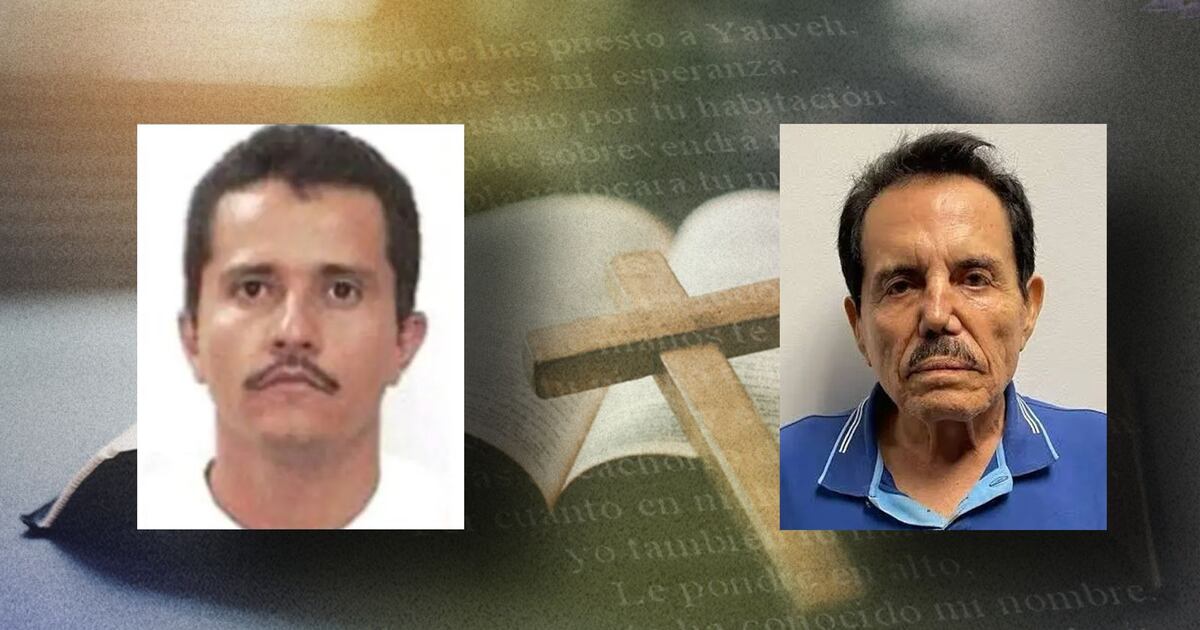
Across Latin America and global diaspora communities, open Bibles routinely sit on dressers and mantels, pages permanently turned to Psalm 91. The ancient hymn promises refuge beneath eagle-like feathers and deliverance from nighttime terror. Yet a darker cultural paradox surfaced on February 24, 2026, when El Financiero revealed that rival Mexican cartel kingpins Nemesio Oseguera ("El Mencho") and Ismael "El Mayo" Zambada both embraced the exact same scripture, treating "under his wings you will find refuge" as a divine vest to deflect rival gunfire and federal tracking.
That criminal folklore highlights a widespread misunderstanding of Christian scripture. Catholic theology does not treat biblical texts as magical shields or incantations. As detailed in a Semana Report examining ecclesial guidance on the text, the Catholic Church views this passage through a distinct sacramental and liturgical lens. Understanding the authentic Catholic tradition behind Psalm 91 requires clearing away secular folklore, examining ancient liturgical structures, and looking closely at how Rome incorporates the passage into everyday prayer.
📌 Key Takeaways:
- Liturgical Heart: Rome assigns Psalm 91 specifically to Sunday Compline (Night Prayer) within the official Liturgy of the Hours, framing it as a surrender to divine mercy before sleep rather than an earthly insurance policy.
- The Numbering Shift: Traditional Latin Vulgate and older Catholic editions number this text as Psalm 90, reflecting Septuagint structuring before modern translations realigned with Hebrew Masoretic numbering.
- Superstition Safeguard: The Catechism explicitly rejects treating scriptural verses as automated talismans, stressing that true protection centers on spiritual salvation rather than temporal immunity from suffering.
The Cartel Amulet Fallacy and Modern Folk Superstitions
The practice of treating Psalm 91 as a physical talisman extends far beyond organized crime. In millions of households worldwide, families keep printed copies folded inside car visors, pinned above doorposts, or inked across forearms. The text serves as an all-purpose ward against illness, robbery, and sudden death.
This behavior stems from magical thinking, an outlook the Catechism of the Catholic Church explicitly addresses in paragraph 2111. Superstition arises when believers attribute intrinsic efficacy to prayer formulas, physical arrangements of paper, or sacred phrases apart from the interior dispositions they require. Folding a psalm inside a wallet does not confer invulnerability.
Popular culture frequently equates biblical promises of shelter with physical invincibility. When the text promises that "a thousand may fall at your side, ten thousand at your right hand, but it will not approach you," literalist interpretations miss the poetic architecture of ancient Hebrew poetry. Catholic biblical interpretation reads these strophes through Christological and eschatological horizons: God promises ultimate rescue from spiritual destruction and eternal death, not an absolute guarantee against earthly mortality.
Compline and the Liturgy of the Hours: Rome's Official Rhythms
The Church does not leave Psalm 91 to subjective whim. It integrates the hymn directly into its highest corporate rhythm: the Liturgy of the Hours (the Divine Office). Priests, religious sisters, monks, and an increasing number of lay Catholics recite this psalm every Sunday evening during Compline, or Night Prayer.
The setting is intentional. Compline marks the close of day, when darkness arrives and human defenses diminish. Sleep prefigures death; waking prefigures the resurrection. In this context, reciting the psalm is an act of total abandonment to God's care before entering the vulnerability of sleep.
Within the Latin liturgical tradition and historic editions of the Latin Vulgate, this text carries the title Psalm 90. The Septuagint combined Psalms 9 and 10 and altered subsequent numeric sequences throughout the Psalter. Modern Catholic editions, including the New American Bible Revised Edition and the Revised Standard Version Catholic Edition, utilize the Masoretic sequence, labeling it Psalm 91 while referencing the historical Vulgate indexing in annotations.
| Core Dimension | Authentic Catholic Liturgy & Teaching | Folk & Superstitious Distortion |
|---|---|---|
| Liturgical Placement | Fixed at Sunday Night Prayer (Compline) to prepare the soul for restful trust and death. | Used as an ad-hoc emergency incantation during panic or physical conflict. |
| Mechanism of Protection | Spiritual refuge: protection of sanctifying grace and eternal destiny amid earthly trials. | Magical armor: belief that printing or reciting words stops bullets, sickness, and financial ruin. |
| Physical Objects | Scripture is read, pondered, and internalized; physical texts point toward conversion of heart. | Leaving open Bibles on tables or wearing tattooed verses as protective amulets. |
| Christological Context | Recalls Christ rejecting Satan's temptation to demand miraculous physical preservation. | Presumes God is obligated to protect the speaker regardless of moral state or behavior. |
The Desert Temptation: Christ's Rejection of Weaponized Scripture
The definitive Catholic theological assessment of Psalm 91 turns on Matthew 4:1, 11 and Luke 4:1, 13. During the temptation in the Judean desert, the devil quotes verses 11 and 12 directly to Jesus atop the pinnacle of the Temple: "He will command his angels concerning you to guard you, and with their hands they will support you, lest you dash your foot against a stone."
Satan weaponized Psalm 91 as a presumption test. He invited Christ to force God's hand, arguing that genuine faith demands a miraculous physical rescue.
Jesus replied using Deuteronomy: "You shall not put the Lord, your God, to the test."
Catholic biblical commentaries, spanning from Saint Augustine to the Pontifical Biblical Commission, emphasize this exchange. Using Psalm 91 to guarantee immunity from harm mirrors the devil's desert hermeneutic. God is a loving Father, not a force to be leveraged through scriptural leverage. When cartel operatives invoke these words while trafficking narcotics or carrying out executions, they mimic the adversarial misuse that Christ rebuked in the desert.
Spiritual Warfare and Prayers of Deliverance
Catholic exorcists and directors of the deliverance ministry utilize biblical psalms of refuge regularly. However, their praxis differs sharply from sensationalist depictions on social media.
Father Gabriele Amorth and contemporary members of the International Association of Exorcists (AIE) have repeatedly documented how the Psalter forms a bedrock of minor exorcisms and prayers for spiritual freedom. In this framework, Psalm 91 functions as a prayer of humble reliance:
- Demonic oppression thrives on terror, isolation, and anxiety. The psalm reorients the Christian toward the sovereignty of Christ.
- The speaker admits human frailty while seeking shelter under God's wings.
- The Authority of the Church: Prayers of deliverance lean on Christ's victory over the serpent, fulfilling verse 13: "You will tread upon the asp and the viper; you will trample down the lion and the dragon."
Catholic theology views the serpent and the lion primarily as spiritual adversaries. Earthly suffering may claim the physical body, as it did with Christian martyrs from Saint Stephen to modern witnesses. True deliverance safeguards the soul from mortal sin and demonic custody.
Pastoral Guidelines: How Catholics Should Pray Psalm 91 Daily
Parish priests and spiritual directors offer clear advice on praying Psalm 91 fruitfully without sliding into superstition:
- Integrate the text into Night Prayer via the Liturgy of the Hours, joining millions of believers in a shared, Church-approved rhythm.
- Avoid leaving an open Bible on display as a decorative charm. Instead, read the chapter, meditate on its verses via Lectio Divina, and let it foster authentic interior transformation.
- Read Psalm 91 through the Crucifixion and Resurrection. God delivered Christ not by sparing him from Golgotha, but by raising him from the dead.
Frequently Asked Questions (FAQ)
Why is Psalm 91 listed as Psalm 90 in older Catholic missals and bibles?
The difference stems from historical manuscripts. Older Catholic editions followed the Greek Septuagint and Latin Vulgate, which combined Psalms 9 and 10, knocking the remaining numbers down by one. Modern Catholic Bibles utilize the Hebrew Masoretic numbering found in contemporary Protestant and Jewish editions, listing it as Psalm 91.
Does leaving a Bible open to Psalm 91 bring blessing or protection to a house?
No physical protection comes from an open page of paper. Catholic doctrine teaches that blessings come through active prayer, grace, and lives ordered toward God. Leaving scripture open as an unread house charm reduces the living Word of God to an amulet, which conflicts with Catholic teaching on superstition.
Can Catholics recite Psalm 91 during moments of intense fear or anxiety?
Yes. The Church encourages praying the psalms in all human conditions. When facing illness, crisis, or anxiety, Psalm 91 gives voice to trust in God's providence, reminding the believer that eternal life remains safe in God's hands regardless of outward circumstances.
Reclaiming the Psalm of Refuge in Modern Catholic Life
Scripture is living dialogue with God, not an incantation to neutralize life's hardships. The misuse of Psalm 91 highlights a persistent human temptation: trying to control providence rather than surrendering to it.
Catholic teaching grounds this text in humility. It summons believers to lay down their anxieties at the end of each day, to seek shelter under the shadow of the Almighty, and to trust that divine protection secures what matters most: our eternal life in Christ.


