What Exactly Is the Moo Virus? Real Malware or Harmless iPhone Joke

Lock screens across university libraries, quiet commuter trains, and corporate boardrooms are suddenly emitting loud, unprompted barnyard noises. Videos documenting baffled smartphone owners holding handsets that spontaneously bleat or throw urgent warning banners have captured millions of views across social feeds. The panic appears real to anyone unaware of the gag, prompting widespread searches on how devices became compromised in the first place.
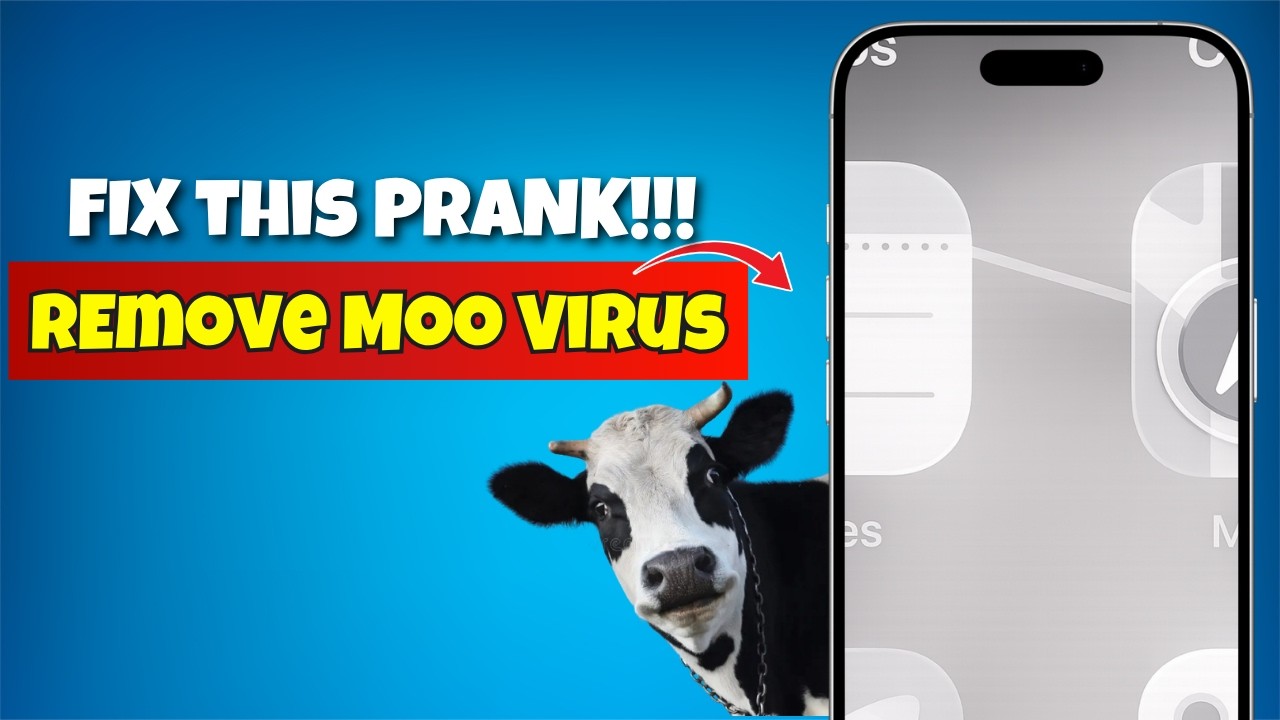
Despite alarming social media claims that a zero-day exploit is sweeping Apple hardware, cybersecurity researchers and tech analysts confirm the phenomenon involves no hostile code. As tracked in a recent Yahoo News Singapore Report, the so-called infection is actually a cleverly disguised social prank executed through native system tools rather than malicious network intrusions.
📌 Key Takeaways:
- The Diagnosis: The "Moo Virus" carries zero malicious code, operates entirely through Apple Shortcuts automation, and poses no device security risk to private data.
- The Delivery Mechanism: The gag requires direct physical access to an unlocked phone, where an accomplice configures an automation trigger linked to common app launches or charger connections.
- The Immediate Resolution: Users can permanently silence the rogue sound effect within 10 seconds by deleting the specific routine inside the iOS Shortcuts app.
The TikTok Cow Trend Disrupting Classrooms and Commutes
Social algorithms thrive on public embarrassment, and the TikTok cow trend delivers that in seconds. Clips tagged under the prank routinely show students opening their banking apps or social feeds in silent lecture halls, only for their speakers to blast a high-decibel moo sound effect at maximum volume. Secondary clips show confused victims squinting at a convincing fake malware warning declaring their handset quarantined.
The gag spread rapidly from short-form clips to an Instagram Reels sound trick replicated across high schools and college campuses throughout late 2025 and into 2026. Because modern iOS updates keep background processes locked down, observers assume an unauthorized payload breached the operating system. Comment sections quickly filled with frantic inquiries from users convinced their personal photos, payment cards, and private chats faced immediate exposure.
Behind the Curtain: How Apple Shortcuts Powers the Sound Trick
The trick relies on functionality Apple introduced years ago: the Shortcuts automation engine. Designed to help users streamline productivity tasks, such as turning on Do Not Disturb when arriving at work, the app can execute custom actions based on system events without requiring explicit confirmation each time.
When someone stages an iPhone prank setup, they take advantage of two specific actions: sound playback and scripted alert prompts. By encoding a short audio clip into a base64 string or pulling a stored sound file from iCloud Drive, the script bypasses standard media players. It assigns that playback to launch the moment a specific application opens. The result looks like a system-level bug, but the device is merely following Apple's approved automation parameters to the letter.
| Prank Attribute | Shortcuts 'Moo Virus' Prank | Actual iOS Malware (e.g., Pegasus) |
|---|---|---|
| Access Requirement | Physical access to an unlocked device (30, 60 seconds) | Remote, zero-click network or messaging vectors |
| System Modification | None; runs purely within user-level Shortcuts routines | Kernel exploits, sandbox escapes, system file overrides |
| Data Exfiltration Risk | Zero data accessed, stored, or transmitted | Severe; exfiltrates keystrokes, messages, calls, location |
| Removal Complexity | One-tap swipe deletion inside the native Shortcuts app | Requires complete device wipe or firmware re-flash |
Anatomy of the Setup: How Friends Rig the Prank
Pulling off this harmless iOS joke requires physical possession of the target phone for under a minute. The setup process follows a uniform sequence:
The prankster opens the Shortcuts app on an unlocked device and switches to the Automation tab. They select a mundane trigger, most commonly selecting high-frequency apps like Instagram, Messages, or the Camera. Advanced variants select system events, such as connecting the device to power or disconnecting from Wi-Fi.
Once the trigger exists, the builder adds actions: maxing the device volume to 100%, running a base64 decode action containing the audio file, and playing the sound. Some pranksters also insert a custom iOS notification prank that pushes a pop-up reading: "System Error 404: Bovine Corruption Imminent." Crucially, they toggle off both "Ask Before Running" and "Notify When Run," allowing the script to fire silently in the background without tipping off the owner beforehand.
Real Threat vs. Hype: Evaluating Device Security Risk
The immediate panic surrounding the trend highlights how easily visible symptoms are confused with authentic digital compromise. When desktop malware infected machines during the early 2000s, loud graphics and sound effects were common signatures. Modern nation-state spyware behaves in the exact opposite manner: sophisticated payloads operate completely undetected, consuming minimal battery and avoiding any overt visual footprint.
Security engineers emphasize that Apple’s sandbox prevents shortcuts from modifying low-level operating system files or exfiltrating encrypted data without explicit user prompts. If an iPhone begins mooing, your passwords, biometric tokens, and banking keys remain completely intact. The only compromised layer is temporary social peace of mind.
Step-by-Step Guide: How to Fix Moo Virus on Any iPhone
Restoring quiet to an affected device does not require factory resets, antivirus downloads, or paid cleanup utilities. Resolving how to fix moo virus routines takes seconds once you navigate to the proper system menu.
First, locate and open the native Shortcuts app on your iPhone. If the app was offloaded, redownload it directly from the App Store at no cost.
Second, tap the Automation icon situated in the bottom navigation bar. Here, you will see a chronological list of every background routine active on your hardware.
Third, scan the list for any entry referencing a strange trigger, such as "When Instagram is opened" or "When iPhone is connected to power." Tap into the suspicious routine to verify its steps; if you spot actions modifying device volume or executing encoded audio strings, return to the main list.
Finally, swipe left across the offending automation and tap the red Delete button. The script vanishes instantly, severing the link between your app launches and the rogue audio playback. Restarting your phone is unnecessary.
Frequently Asked Questions (FAQ)
Q1: Can the Moo Virus infect an iPhone through a malicious website or text message?
A1: No. Shortcuts automations cannot be installed or bound to system triggers via standard web browsing or SMS links without manual user approval. The prank strictly requires someone to access your unlocked phone directly and create the routine by hand.
Q2: Will running an iOS antivirus tool detect and remove the moo sound effect?
A2: No. Third-party iOS utilities do not have sandbox permissions to inspect or delete automations inside Apple Shortcuts. Downloading third-party cleaner apps is unnecessary and will not remove the automation.
Q3: How can I stop friends from setting up this prank on my phone in the future?
A3: Keep your iPhone locked whenever it leaves your hands. Additionally, you can utilize Screen Time settings under iOS Settings to set a passcode on the Shortcuts app itself, preventing unauthorized edits even if someone gains brief access to your home screen.
The Growing Divide in Mobile Security Literacy
The explosive trajectory of the cow sound phenomenon reveals an ongoing vulnerability across modern personal computing: user uncertainty regarding what mobile exploits actually look like. Because mobile operating systems have grown increasingly complex, everyday smartphone owners struggle to distinguish native operating system features from hostile intrusion.
When software automation mimics malware symptoms without crossing sandbox boundaries, the panic it triggers stems entirely from social engineering. Protecting personal tech in 2026 demands not only strong passcodes and biometrics, but also an understanding of the built-in automation engines running silently on our hardware.


