What Is a 'Pibble'? Fact-Checking the Internet Slang Behind the 'Wash My Belly' Audio
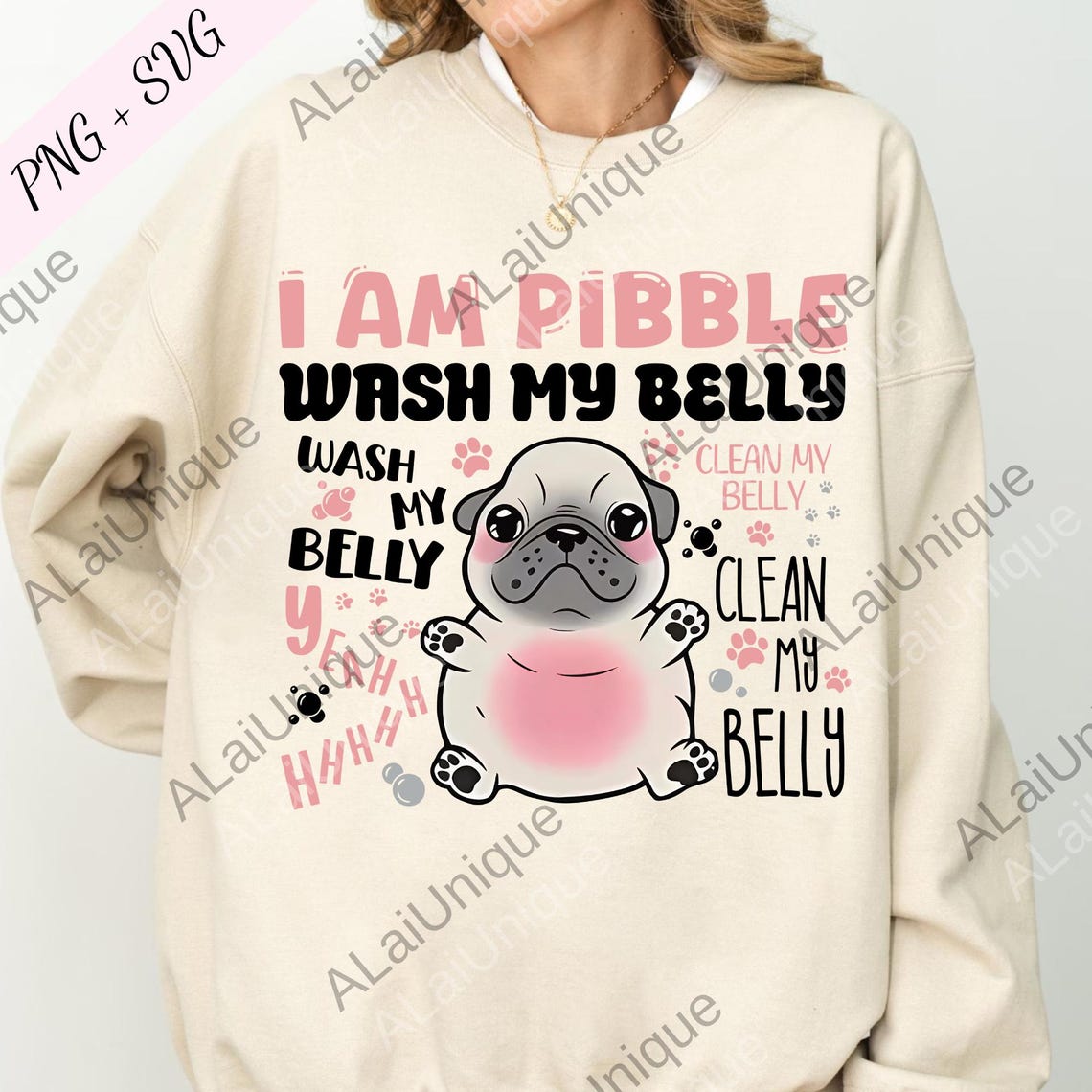
Millions of smartphone screens flooded throughout late 2025 and early 2026 with an irresistible sight: an impossibly round, wrinkly puppy floating on its back in a ceramic bathroom sink while soapy water splashes across its stomach. Over the clip plays a high-pitched, childish voice chanting a sing-song mantra: "Wash my belly, clean my belly." The clip is charming, hypnotic, and undeniably cute. Yet, the text overlaid across millions of these uploads caused rampant confusion across comment sections: creators kept labeling these bat-eared, smush-faced puppies as a "pibble."
For longtime internet users, that terminology felt completely wrong. Pit bull owners immediately pointed out that the animal floating in the suds was not an American Pit Bull Terrier, but a miniature French Bulldog. As documented in a comprehensive Know Your Meme Report, the clash ignited a fresh round of linguistic debate across TikTok and Instagram Reels. The resulting wave of pet meme trends exposed a fascinating collision between decade-old internet dog lingo, ironized Gen-Z humor, and algorithmic audio trends.
📌 Key Takeaways:
- The Breed Mismatch: The puppies starring in the viral bath clips are French Bulldog puppies, not pit bulls, despite creator captions calling them "pibbles."
- The Slang Root: The word "pibble" originated in the early 2010s as an affectionate rescue-community term for American Pit Bull Terriers, designed to soften breed prejudice.
- The Viral Catalyst: The recent resurgence trace directly back to an October 2, 2025 upload from the Instagram account @pibble12, which wedded the looped bath routine to the catchy "wash my belly clean my belly" audio track.
How an Instagram Sink Bath Sparked a Global Sound Wave
The runaway sensation did not emerge in a vacuum. On October 2, 2025, an Instagram account operating under the handle @pibble12 shared a vertical video of an ultra-compact puppy receiving a soapy rubdown in a shallow basin. The account name signaled one breed, but the creature on screen possessed the unmistakable flat face, wide-set eyes, and compact ribcage of an infant Frenchie.
Within days, the upload gained traction across algorithm-driven recommendation feeds. Other creators snatched the underlying audio snippet, a repetitive rhythmic chant stating "wash my belly, clean my belly," and began repurposing it for their own pets. Kittens, golden retrievers, and even human toddlers soon received the audio treatment. By mid-October 2025, the audio soundtrack was attached to hundreds of thousands of individual clips across Instagram Reels and TikTok. The @pibble12 Instagram post became ground zero for a bizarre case of identity confusion, driving tens of thousands of search queries asking a basic question: has the definition of a pibble changed?
The Linguistic Evolution: What "Pibble" Actually Means
To understand the mix-up, you have to rewind internet slang by more than a decade. The word pibble is a deliberate phonetic softening of "pit bull." Around 2012, 2014, canine rescue organizations, Reddit forums like r/pitbulls, and animal advocates adopted baby-talk diminutives to counteract the aggressive media stereotypes surrounding bully breeds.
Advocates wanted people to see companion animals instead of fighting dogs. The same linguistic wave that gave us "velvet hippo," "land seal," and "wigglebutt" spawned "pibble." It functioned as affectionate shorthand for American Pit Bull Terriers, Staffordshire Bull Terriers, and American Bullies. The term carried specific socio-cultural weight within adoption networks. It signaled safety, gentleness, and an anti-breed-specific-legislation stance.
Why did it suddenly attach itself to French Bulldogs in late 2025? Digital culture thrives on irony and phonetic mimicry. The account handle @pibble12 acted as a primary semantic anchor. When millions of viewers stumbled upon the video, many younger users unfamiliar with older dog rescue terminology assumed "pibble" was simply a generic, cute-sounding nonsense word invented for squishy, flat-faced toy breeds. Language drifted through sheer repetition and algorithmic speed.
Tracking the Shift in Internet Canine Taxonomy
Online pet vernacular has undergone multiple generational shifts. Where earlier communities used consistent rules, short-form video algorithms have collapsed distinct canine categories into universal absurdist audio tags.
| Era & Timeframe | Dominant Lingo | Intended Breeds | Cultural Intent |
|---|---|---|---|
| Early Era (2010, 2016) | Pibble, Doggo, Pupper, Boop | Pit Bull Terriers, Bully mixes | Rescue advocacy; dispelling breed aggression myths. |
| Peak Doge Era (2017, 2022) | Velvet Hippo, Land Seal, Chonker | Staffordshire Terriers, Mastiffs | Meme humor; community building on Reddit and Twitter. |
| Short-Form Audio Era (2023, 2026) | Wash My Belly, Pibble, Micro-Potato | French Bulldogs, Exotic Bullies | Algorithmic sound recycling; absurdist audio juxtaposition. |
The progression reveals how platform mechanics strip words of their historical context. An earnest rescue label from 2012 became an ironic, misapplied audio tag by 2026.
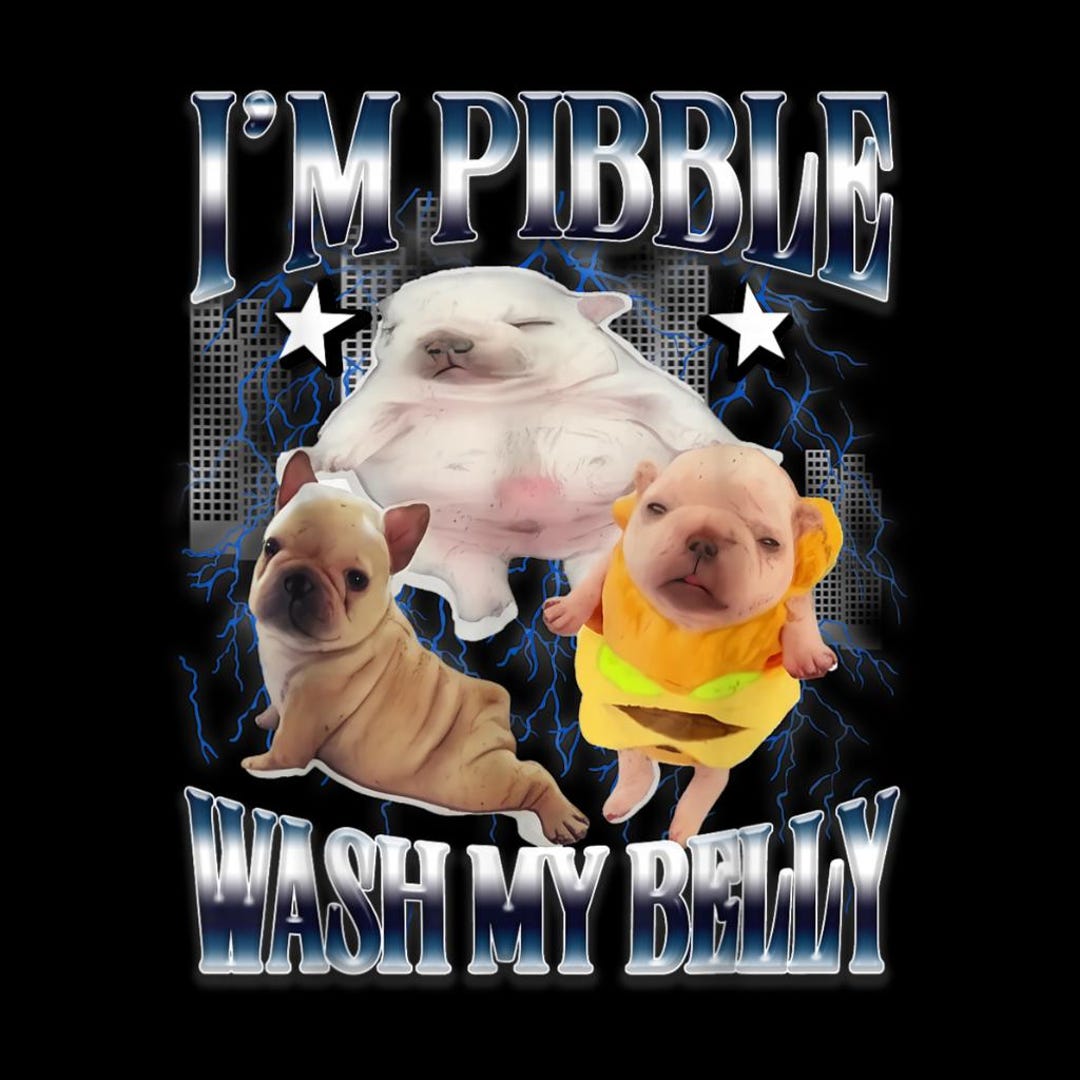
The Architecture of the "Wash My Belly" Audio
Sound operates differently than imagery on contemporary platforms. When a user creates a viral video on TikTok or Instagram, the audio is separated into a modular asset. Anyone can tap the bottom-right spinning vinyl icon to generate their own variation.
The "wash my belly clean my belly" track possessed all the necessary hallmarks for algorithmic hyper-growth. First, it offered extreme brevity. Clocking in under seven seconds, the sound completed before viewer attention wavered. That ensured high retention scores, signaling the recommendation engine to distribute the video to wider audiences.
Second, the audio provided an explicit visual prompt. It gave pet owners a script to follow. The audio practically demanded a bathing ritual. Owners gathered shampoo bottles, ran lukewarm sink water, and placed their compliant pets flat on their backs. The visual comedy worked because the animals looked ridiculous. A tiny, helpless French Bulldog with bulging eyes and stubby paws looks comical when scrubbed to a chant about clean bellies.
Behind the Cute Facade: Canine Care and Ethical Conversations
The sheer velocity of the trend inevitably stirred controversy within veterinary and animal behavior communities. While the videos look harmless, animal welfare specialists frequently comment on the postures seen in these clips.
Placing dogs flat on their backs in water can induce tonic immobility, an involuntary response where an animal freezes under stress rather than relaxing. While some puppies genuinely tolerate baths, canine behaviorists note that a stiff, wide-eyed posture often signals apprehension rather than bliss.
Furthermore, the French Bulldog breed itself sits at the center of ongoing welfare debates. In 2023, the American Kennel Club named the French Bulldog the most popular dog breed in the United States, a title it retained through 2025. This explosion in demand created widespread proliferation of backyard breeding, with dogs suffering from Brachycephalic Obstructive Airway Syndrome (BOAS), spinal malformations, and severe skin allergies that require frequent medicinal bathing. The cute sink-bath trend inadvertently pushed an expensive, medically vulnerable breed further into viral commodification.
Frequently Asked Questions (FAQ)
Q1: Is a pibble actually a French Bulldog?
A1: No. A "pibble" is established internet slang for an American Pit Bull Terrier or related bully breed. The puppies featured in the viral "wash my belly" audio videos are French Bulldogs, mistakenly or ironically labeled due to the creator's username.
Q2: Where did the "wash my belly clean my belly" audio come from?
A2: The audio originated as a comedic voiceover chant accompanying puppy bath clips, which hit peak virality in October 2025 after being posted by the Instagram account @pibble12. It quickly transformed into a reusable sound template across TikTok and Instagram Reels.
Q3: Is it safe to bathe a puppy on its back like in the meme?
A3: Veterinarians recommend caution. While quick rinsing is fine, dogs naturally prefer having their paws on a stable surface. Floating on their spine in water can cause panic, aspiration of water into the nostrils, or trigger a freeze-response stress reaction.
How Platform Culture Rewires Internet Vocabulary
The saga of the sink-floating puppy illustrates how quickly short-form video environments detach language from its origins. In an earlier iteration of the web, message board users carefully preserved breed definitions and jargon. Today, a single viral audio loop can reach 50 million people in 48 hours, instantly overwriting an established definition with a catchy joke.
The dog in the sink remains a French Bulldog. Yet across thousands of comment sections, the term "pibble" has been irreversibly scrambled, absorbed into the ever-mutating catalog of internet soundbites and puppy aesthetics. As platforms prioritize viral audio hooks over factual accuracy, these linguistic collisions will become more frequent, leaving internet historians to sort out what our slang meant before the algorithms got hold of it.


