What Is an 'Ending Fairy' in K-Pop? The Complete Guide to the Phenomenon Started by Jung Chaeyeon
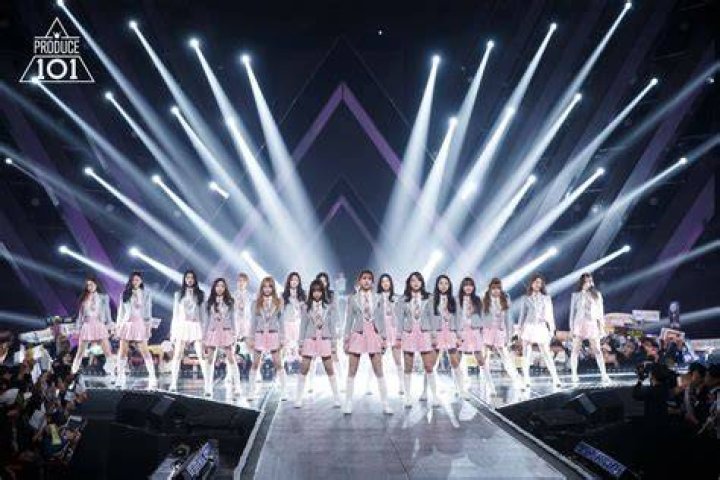
A final chord crashes over the stage, the studio pyrotechnics hiss into silence, and the house lights dim. Instead of cutting straight to a commercial break or pulling back for a wide crane shot, the broadcast camera zooms aggressively into the face of a single performer. Sweating, breathing heavily through parted lips, and locking eyes directly down the barrel of the 4K lens, the artist holds the pose for five excruciating seconds. In modern South Korean television, this ritual is known as the ending fairy, or 엔딩요정 (ending yojeong), a ubiquitous broadcast convention that commands millions of digital views each week.
While the phrase dominates today's online discourse, its codification traces directly back to a watershed moment in early 2016. According to reporting from the International Business Times Report, debates over the origins of the visual trope often point back to early music show moments involving groups like EXO and BTS. Yet the modern concept, defined by an isolated, hyper-focused, narrative-shifting close-up, became an industry-wide staple thanks to a rookie survival contestant named Jung Chaeyeon.
📌 Quick Summary:
- The Spark: Jung Chaeyeon's viral close-up during Mnet's Produce 101 Season 1 established the modern blueprint for the broadcast ending fairy.
- The Evolution: What began as a sincere visual spotlight transitioned into a competitive marketing tool, before idols turned it into self-deprecating comedy.
- The Technical Reality: Behind the five-second shot lies meticulous camera choreography, intense director-producer planning, and calculated viewer retention tactics.
The Five Seconds That Built Produce 101
In February 2016, the survival program Produce 101 Season 1 was still fighting for cultural relevance. The show pitted 101 female trainees against one another for a spot in an eleven-member temporary group, but mainstream public perception remained skeptical of the premise. That changed during the fourth episode's group battle evaluation.
Trainee Jung Chaeyeon, who had briefly debuted with the MBK Entertainment group DIA before joining the show, performed Girls' Generation's 2007 debut track, "Into the New World." At the song's conclusion, as the music faded, the production team made a decisive editorial choice: cut the wide group composition and hold a solitary studio camera close-up on Chaeyeon.
Her expression was unguarded. She exhaled, adjusted her gaze toward the red tally light of the camera, and smiled faintly amid visible exhaustion.
The clip spread across South Korean community forums within hours. In an era when high-definition fancams were just beginning to dictate online visibility, those five seconds elevated Chaeyeon from an under-the-radar contestant to a household name. Korean media and netizens began labeling the moment the work of an "ending fairy." The viral idol fancam had always existed, but this specific Mnet survival show cut showed that a post-performance portrait could generate more social currency than the choreography preceding it. Chaeyeon secured her spot in the final lineup of I.O.I, largely carried by the visual momentum of that single frame.
The Semantic Shift: From Accidental Gimmick to Industry Mandate
Tracking the exact origin of the phrase ending yojeong yields multiple timelines across different fandoms. Fact-checks published by outlets like Koreaboo note that before Chaeyeon's viral surge, fans occasionally applied the term "fairy" casually to expressive performers.
Exo-Ls point to EXO's Xiumin, whose striking final poses during early promotions for songs like "Overdose" and "Call Me Baby" earned him the affectionate nickname from dedicated viewers. Similarly, early music show broadcasts featuring BTS, SHINee, and Girls' Generation saw camera directors occasionally lingering on individual members.
The fundamental difference lies in industrial intentionality. Prior to 2016, lingered final shots were stylistic gambles taken at the discretion of individual broadcast directors. Post-Chaeyeon, the ending fairy became a mandatory structural element written directly into production cue sheets.
South Korea's major weekly music programs, KBS Music Bank, SBS Inkigayo, MBC Show! Music Core, and Mnet M Countdown, redesigned their closing sequences. Directors abandoned the traditional slow pull-back wide shot in favor of dedicated, multi-member end-cards.
| Phase & Era | Visual Style & Execution | Broadcast Function |
|---|---|---|
| Pre-2016: Incidental Era | Natural fatigue, spontaneous smiles, wide group pulls with occasional solo cuts. | Incidental broadcast filler before cutting to commercial or live hosts. |
| 2016, 2019: Codification Era | Heavy breathing, dramatic eye contact, rehearsed sighs directly mimicking Chaeyeon. | Thumbnail generation for YouTube/Naver TV; algorithmic driver for streaming engagement. |
| 2020, 2026: Parody & Meta Era | Written signs, comedic props, deliberate deadpan stares, collective group skits. | Short-form vertical video fodder (TikTok/Shorts/Reels); viral community engagement. |
The Technical Choreography Behind the Studio Close-Up
Viewers at home witness what appears to be a natural pause. In reality, the closing seconds of a music show stage require aggressive technical precision from both the performer and the camera crew.
During live tapings at broadcast studios like the KBS Hall in Yeouido, an assistant director coordinates camera numbers through the floor monitors. An idol assigned to the ending fairy must know days in advance which camera to locate the exact second their audio track cuts. Finding that lens while recovering from three minutes of intense, high-tempo choreography requires distinct spatial awareness.
Camera operators use prime lenses with shallow depth of field, positioned on robotic jibs or steady-cams, to isolate the singer from the background dancers. Lighting directors instantly pull down perimeter stage washes while brightening the central key lights to illuminate facial expressions.
The industry economics are clear. Digital engagement teams at major broadcasters track real-time click-through rates. A captivating ending shot forms the default thumbnail for the official YouTube upload. If the idol delivers an arresting pose, video performance metrics spike within the opening hour of publication.
When the Sincerity Broke: The Rise of the Meme Fairy
By 2020, the sincerity of the original trope began to collapse under its own weight. Viewers noticed idols artificially amplifying their panting, fluttering their eyelashes, or maintaining frozen gazes long past the point of authenticity. The trope had reached saturation.
Then came the subversion. Senior idols, tired of the prescriptive glamour, turned the ending fairy into high comedy.
SHINee's Key led the shift during the group's "Don't Call Me" promotions in 2021. After completing an athletic performance, the camera landed on Key. Instead of an ethereal smile, he pantomimed comically exaggerated hyperventilation, holding his chest and eyes wide before breaking into a grin. The clip generated millions of views, opening the floodgates for artists to mock the convention.
Soon after, BTOB took the parody further, holding handwritten notes to the camera, showcasing grocery lists, or pointing toward other members who were visibly chewing gum or ignoring the lens. During a 2022 stage, 2PM's Junho and Taecyeon used their ending cuts to check imaginary wristwatches and advertise local food spots. What began as a visual display of beauty had evolved into a canvas for comedic relief.
The Digital Legacy of Jung Chaeyeon's Iconic Shot
Jung Chaeyeon has since moved smoothly into a full-time acting career, earning critical acclaim in television dramas such as The King's Affection and The Golden Spoon. Yet within K-pop stage culture, her shadow remains long. Every time a rookie idol stands beneath a scorching studio key light, waits for the red tally indicator to glow, and delivers a planned five-second gaze, they are operating within a framework Chaeyeon accidentally built.
The ending fairy persists because it humanizes an industry frequently criticized for hyper-polish. The choreography may be strictly synchronized, the vocal mix polished by studio processing, and the wardrobe curated down to the millimeter. But in those final five seconds, the performance ends and the human returns. Whether it manifests as Chaeyeon's genuine exhaustion or Key's theatrical panting, the ending fairy bridges the distance between the idol on stage and the fan behind the screen.
Frequently Asked Questions (FAQ)
Q1: Did Jung Chaeyeon invent the phrase "ending fairy"?
A1: No. Fans and commentators had informally used the term "fairy" (*yojeong*) to describe visually striking idols for years. However, Chaeyeon's iconic 2016 close-up during Produce 101 Season 1 cemented the concept as a standardized music show format, turning an informal nickname into an official industry practice.
Q2: How do broadcast directors decide who gets the ending fairy shot?
A2: The selection is typically negotiated between the entertainment agency and the music show production team during rehearsals. Factors include who sings the final line, member popularity, rotational fairness within the group, or promotional strategies for a specific comeback cycle.
Q3: Why did ending fairies shift toward comedy and props in recent years?
A3: As every music show adopted the standard close-up, the original earnest, heavy-breathing style became overused and predictable. Senior groups and self-aware idols began using visual gags, handwritten messages, and exaggerated pantomimes to stand out on social media platforms like TikTok and YouTube Shorts.
The Modern Mechanics of the Post-Performance Gaze
The ending fairy has moved beyond a fleeting variety show gimmick. It now exists as an engineered touchpoint in South Korea's digital pop ecosystem, driving metrics across streaming platforms and reshaping how fans consume live performances. Ten years after Chaeyeon's breakthrough cut on Mnet, the practice shows no sign of slowing down. As long as vertical video formats prioritize expressive thumbnails and immediate visual hooks, that five-second freeze frame will remain the most valuable real estate on the K-pop stage.


