What Is the Scuba Dance? Fact-Checking the Cat Meme's True Origin

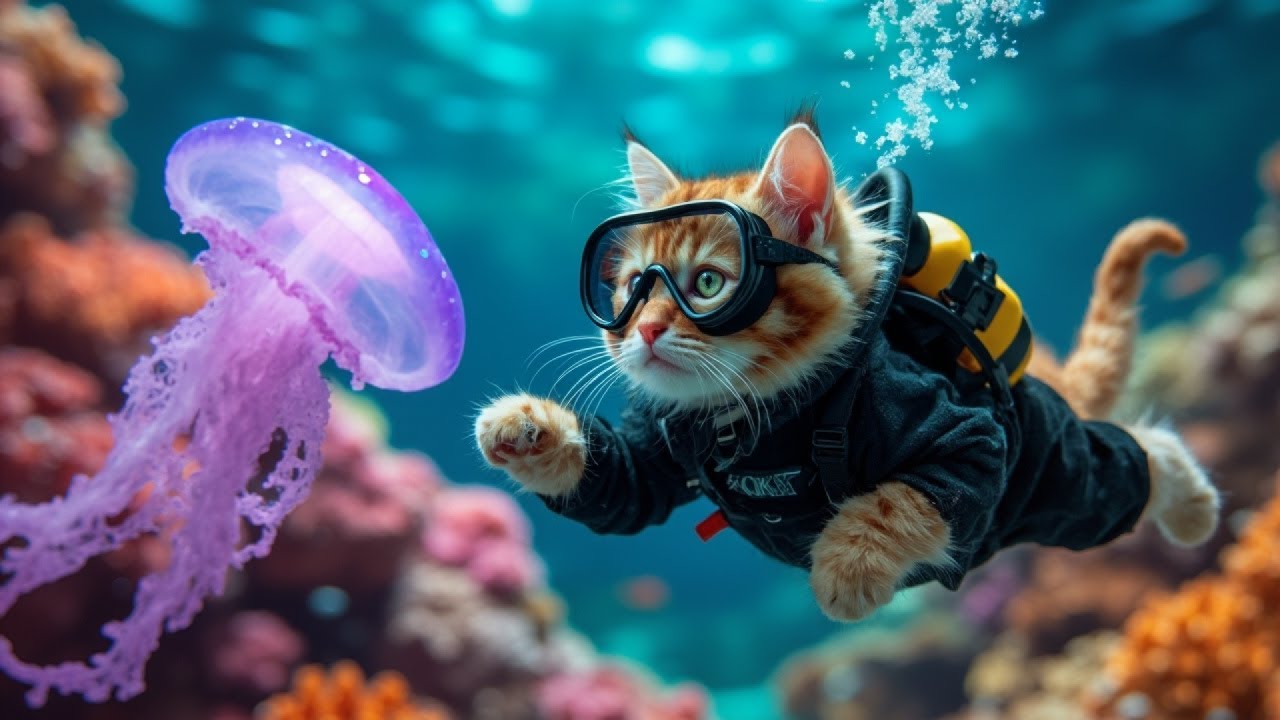
Across TikTok, Instagram Reels, and YouTube Shorts, a rhythmic, hypnotic motion has taken over user feeds: an animated orange feline executing a fluid, aquatic sway known simply as the scuba dance. Within days of surfacing in early March 2026, clips pairing the feline's shoulder-rolling dive motion with a syncopated beat racked up tens of millions of views. Yet, as the clip migrated across platforms, it triggered intense skepticism, prompting millions of viewers to ask whether they were watching sophisticated procedural keyframing or synthetic video cooked up by generative artificial intelligence.
The sudden ubiquity of the meme sparked aggressive debates across animator communities and casual comment sections alike. As documented by an investigative Yahoo Report tracking the viral dance trend, the fascination lies not just in the comedic groove itself, but in the confusion surrounding who, or what, actually built the animation.
📌 Quick Summary:
- The True Medium: Technical post-mortems confirm the viral cat scuba dance is a bespoke 3D rig animation, not a generative AI video output.
- Character Lineage: Digital archives show the choreography first caught massive traction via a rendered Nick Wilde model from Disney's Zootopia before community artists retargeted the sequence onto custom feline rigs.
- The Audio Driver: The dance exploded due to a pitched, high-tempo audio clip repurposed across TikTok dance challenges, pushing the clip into mainstream pop culture algorithms.
How the Scuba Dance Conquered Short-Form Feeds
The scuba dance relies on an instantly recognizable movement profile. The animated character plant its paws, rolls its torso in a wave-like swimming gesture, and extends its arms forward as if clearing water during an open-sea descent. The physical comedy of an anthropomorphic pet moving with club-ready swagger struck an immediate chord.
The movement first began circulating widely in early March 2026. Within 72 hours of the audio clip latching onto algorithmic recommendation engines, repost accounts had stripped watermarks, sliced the footage into reaction templates, and distributed it across dozens of language markets. The meme quickly transcended simple visual novelty. Streamers recreated the hand motions on camera, while lifestyle creators set their daily vlogs to the background track, transforming a niche 3D asset into a dominant cultural loop.
Behind that velocity was a persistent mystery. Because modern generative video models like OpenAI's Sora and competing diffusion engines made enormous leaps in temporal consistency throughout late 2025 and early 2026, average viewers can no longer rely on visual glitches or warping limbs to spot artificial content. Viewers immediately assumed the cat was a seamless AI prompt.
Generative AI Illusion or Hand-Crafted 3D Animation?
The central question dominating the comments was simple: did a computer generate the frames from a text prompt, or did an animator spend days fine-tuning curve editors?
Technical breakdowns published by independent 3D artists quickly debunked the synthetic video rumor. Generative diffusion models frequently struggle with strict anatomical hierarchy over prolonged cycles. In diffusion video, fine geometry such as claws, inner ears, and repetitive joint rotations inevitably drift, blur, or hallucinate micro-textures across multiple seconds of footage.
In contrast, the viral cat animation maintains absolute geometric rigidity. The rig exhibits clear physical weight, deliberate secondary motion on the tail and whiskers, and consistent edge lighting indicative of a real-time game engine or 3D suite like Blender or Autodesk Maya. The movement relies on motion retargeting, a pipeline technique where an underlying skeletal rig executes a mapped animation sequence across different character models. The cat was never an AI hallucination; it was a digital puppet performing a meticulously mapped motion capture file.
Tracing the Lineage from Nick Wilde to the Orange Tabby
While the cat variation captured the highest raw view counts on general lifestyle channels, meme tracking archives from Know Your Meme confirm the choreography belongs to an earlier character variant. The dance first gained viral notoriety when applied to an unofficial 3D model of Nick Wilde, the fox protagonist from Disney's 2016 feature Zootopia.
The Nick Wilde render surfaced across digital forums on March 9, 2026, where animation enthusiasts debated whether the slick footwork and loose hip motions were captured via optical mocap or keyframed entirely by hand. Once the sequence blew up on animation discords, 3D hobbyists did what internet culture always does: they extracted the motion data and mapped it onto other popular character rigs.
The orange tabby cat version quickly outpaced the fox because of its universal appeal. Internet audiences have spent two decades elevating feline humor into an art form, and the deadpan, serious facial expression on the cat contrasted perfectly with the exaggerated underwater rhythm.
| Evolutionary Phase | Core Character Model | Technical Origin | Primary Platform Trajectory |
|---|---|---|---|
| Phase 1: Initial Wave (Early March 2026) | Nick Wilde (Zootopia fan asset) | Hand-keyed / Mocap 3D Rigging | X (Twitter), Animation Discords, Reddit |
| Phase 2: Viral Retargeting (Mid-March 2026) | Orange Tabby Cat Rig | Blender Skeletal Retargeting | TikTok, Instagram Reels |
| Phase 3: Real-World Mimicry (Late March 2026) | Human Creators & Pet Duets | Live-Action Physical Dance Trend | YouTube Shorts, TikTok Sound Hubs |
The Audio Engine Powering the Viral Trend
An animated clip rarely scales into a mainstream trend without the right acoustic backing. The sound driving the scuba dance matches the erratic, syncopated bounce of modern platform humor.
The backing track blends elements of speed-up funk beats with pitch-bent vocal chops that mimic aquatic gurgles or underwater breathing apparatuses. When audio editors paired the rolling body movements with the sudden bass drops of the sound bite, it created an uncanny comedic rhythm.
Short-form platforms prioritize repeatable audio hooks. Once a dance pattern locks into a specific sound byte, users begin using the audio as a cultural shorthand. By mid-March, creators were no longer just sharing the cat video; they were filming their domestic cats, dogs, and toddlers attempting to replicate the wave-like arm motions while the original clip played in picture-in-picture mode.
Why the Internet Defaulted to the AI Hypothesis
The speed with which users blamed artificial intelligence reveals a massive shift in how audiences interpret digital media. Between 2024 and 2026, consumer video feeds filled with automated content: synthetic cooking clips, generated landscapes, and deepfaked animal clips designed to capture watch-time revenue.
This algorithmic saturation created an immediate defensive reflex among internet users. High-quality traditional craftsmanship is now frequently mistaken for an automated output. When viewers saw the fluid, uncanny motion of a cat doing an undulating dance with flawless joint articulation, their default assumption was an AI prompt like “stylized cat swimming dance 4k.”
This phenomenon represents a strange irony for 3D animators. Work that requires years of study in weight distribution, timing, and rigging is dismissed as the output of an automated text box. The scuba dance trend inadvertently exposed the erosion of digital literacy: audiences can no longer tell the difference between mathematical ray tracing built by human artists and stochastic pixel generation trained on massive datasets.
Frequently Asked Questions (FAQ)
Q1: Was the cat doing the scuba dance made with generative AI?
No. Technical analysis confirms the cat scuba dance was produced using conventional 3D software (such as Blender or Maya). It relies on skeletal animation and motion retargeting, not synthetic diffusion or AI video generation.
Q2: Where did the scuba dance choreography originate?
The movement pattern first gained viral notoriety in early March 2026 using an unofficial 3D render of the character Nick Wilde from Disney's Zootopia. Digital animators subsequently applied that exact motion sequence to a custom cat model.
Q3: Why is the trend called the "scuba dance"?
The moniker comes from the signature arm movements, which imitate a scuba diver clearing water, combined with torso rolls and an audio track containing aquatic, gurgling sound effects.
The Cultural Aftermath of the Cat Scuba Phenomenon
The cat scuba dance is a classic case study in how memes spread across the web. What started as an experimental 3D render inside digital creative communities cascaded across social networks, picked up a catchy audio identity, and evolved into a participatory challenge for real-world creators.
The persistent confusion around its production highlights the heightened skepticism defining modern online spaces. As automated synthetic media continues to flood digital platforms, audiences will question the provenance of every viral clip they encounter. For now, the dancing feline stands as a reminder that deliberate human keyframes, expressive character rigging, and classic physical comedy still possess an unmatched ability to capture the collective attention of the internet.


