What’s Inside the 'Fear of Music' Reissue? Breaking Down the Tracklist and Rarities
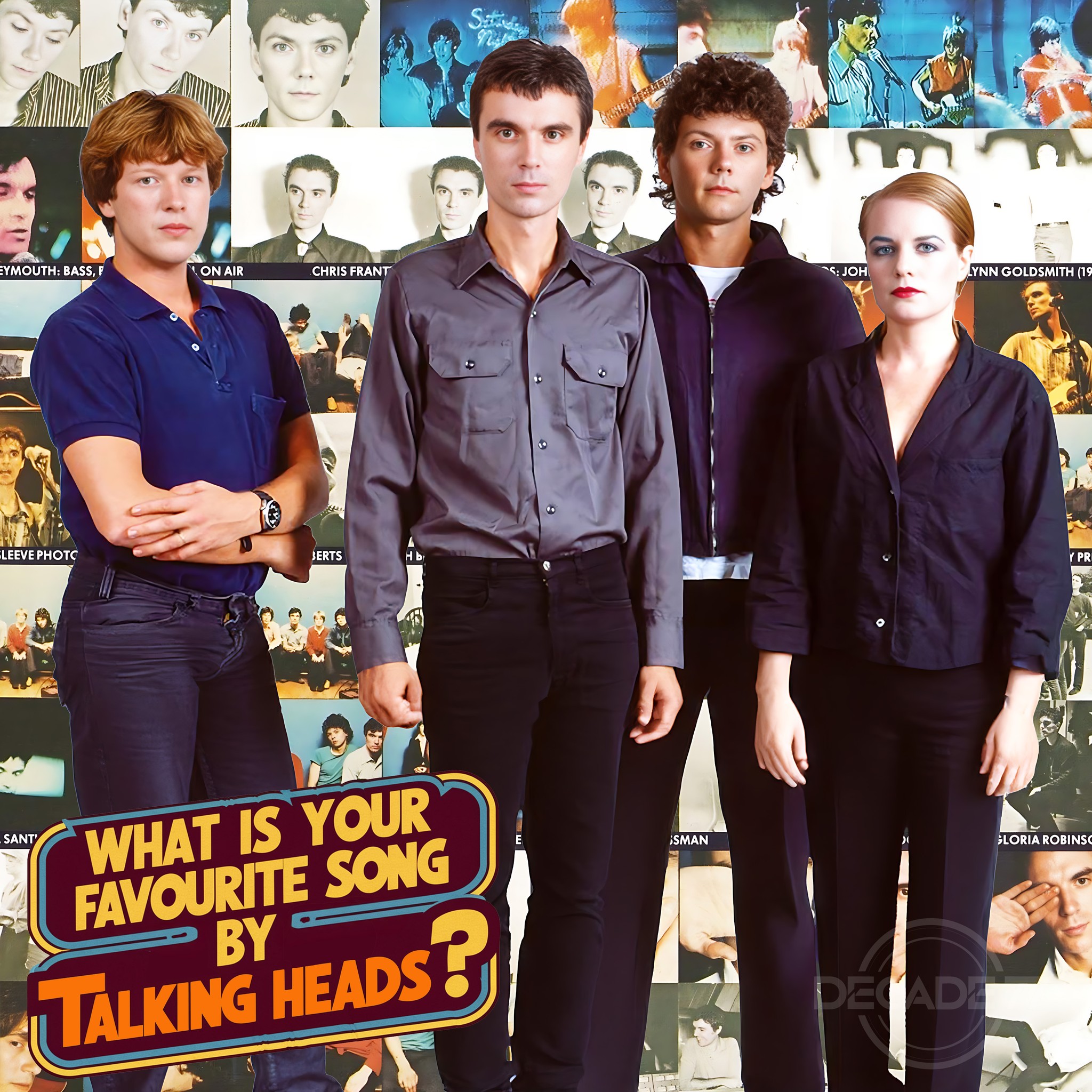
Rhino Records and Talking Heads have confirmed an exhaustive box set honoring the band's pivotal 1979 LP. Scheduled for release on November 13, 2026, the Fear of Music Super Deluxe Edition gathers pristine analog transfers, unreleased studio jams, and previously unseen concert footage recorded during the band's transitional tour cycle. As first broken in a Pitchfork Report, the collection expands the groundbreaking release into a multi-disc archival statement, supported by the surprise drop of a restored live performance video of "Life During Wartime."
📌 Key Takeaways:
- The Release: Rhino Records will release the box set on November 13, 2026, across 4-LP, 3-CD/Blu-ray, and high-resolution digital formats.
- Archival Finds: The set contains 14 previously unreleased studio outtakes, alternate vocal takes by David Byrne, and complete soundboard audio from the August 1979 Wollman Rink performance in Central Park.
- Sonic Upgrades: A fresh 1979 album remaster supervised by Chris Frantz and Jerry Harrison features spatial audio mixes in Dolby Atmos alongside original stereo flat transfers.
The Road from CBGB to Diamond-Plate Paranoia
By late 1978, Talking Heads occupied an unstable space between New York's decaying downtown art scenes and mainstream rock radio. David Byrne, Tina Weymouth, Chris Frantz, and Jerry Harrison had built critical momentum with their initial releases, yet Byrne felt suffocated by conventional rock arrangements. Seeking refuge from urban friction, Byrne drafted lyrics reflecting deep agoraphobia, claustrophobia, and surveillance anxiety. The songs centered on concrete nouns: air, paper, cities, drugs, and memories.
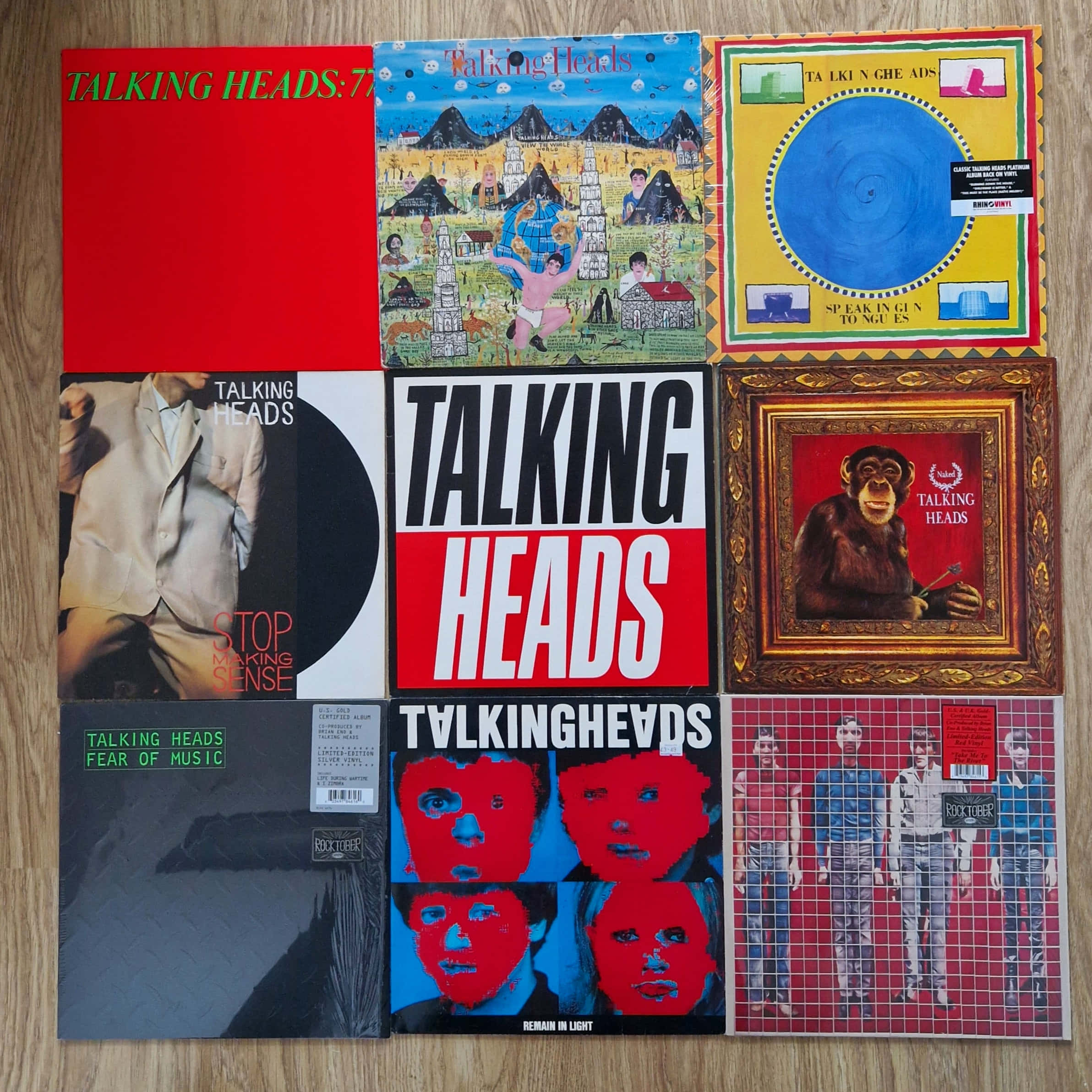
Working out of New York's Record Plant and an impromptu setup in Weymouth and Frantz's Long Island City loft, the quartet reconnected with producer Brian Eno. Eno brought a restless spirit to the sessions. Rather than recording standard band tracking passes, Eno and engineer Rod O'Brien treated the studio as an active instrument. They sent Harrison's synthesizer lines through modular pedals and bathed Byrne's nervous rhythm guitar chops in tight tape delays. The resulting 11 tracks broke free from standard post-punk new wave classics, setting an anxious, metallic sonic template clad in a sleeve resembling industrial floor tread.
Deconstructing the Tracklist: Unearthed Outtakes and Alternate Takes
The centerpiece for longtime listeners is the detailed Talking Heads tracklist breakdown featured across the bonus discs. Beyond the original album's sequence, the reissue pulls back the curtain on the creative tension that gripped the group during the spring of 1979. Among the unreleased outtakes and rarities is "Electricity," an abandoned six-minute motorik rhythm experiment that later yielded rhythmic components for "Cities."
Collectors will also encounter early instrumental sketches of "Animals" featuring guest guitar textures from King Crimson leader Robert Fripp. Fripp had famously arrived at the sessions to contribute his searing solo on "I Zimbra," but newly discovered reels reveal that he tracked parts across two other unfinished numbers. An acoustic run-through of "Mind" exposes Byrne's lyrics in their rawest state, stripped of the interlocking basslines Weymouth engineered to balance his strained falsetto.
The 1979 Studio Tapes Compared Across Decades
The reissue offers listeners an opportunity to compare mastering methodologies over nearly five decades. Original 1979 vinyl copies were mastered hot, pushing Byrne's spastic vocal delivery directly to the front edge of the soundstage. Subsequent digital remasters throughout the 1980s and the 2006 DualDisc campaign flattened much of the bottom-end weight provided by Weymouth's Fender Precision bass.
| Edition | Source Masters Used | Bonus Content Count | Audio Specifications |
|---|---|---|---|
| Original LP (1979) | 1/4-inch analog stereo master | None (Standard 11 tracks) | Standard Stereo Vinyl |
| Expanded DualDisc (2006) | Early 24-bit digital transfers | 4 bonus cuts (alternate mixes) | 5.1 Surround Sound / 48kHz PCM |
| Super Deluxe Box (2026) | Direct 192kHz flat tape transfers | 26 rarities, demos, and live cuts | Dolby Atmos / 192kHz 24-bit Stereo |
Engineer Jerry Harrison oversaw the brand-new 1979 album remaster, recovering high-frequency transients and ambient air around Chris Frantz's snare rimshots that had been lost in previous transfers. The spatial Dolby Atmos presentation on the Blu-ray isolates background guitar loops and electronic percussion without breaking the driving energy of the original mixes.
"Life During Wartime" and the Unearthed Stage Footage
To launch the reissue campaign, Rhino released a restored video of the Life During Wartime live version filmed in August 1979 at New York's Dr Pepper Music Festival in Central Park. Consequence of Sound noted that the footage, scanned from original 16mm archival reels, had sat in storage for over four decades. The performance captures the band on the threshold of massive change.
Byrne darts across the stage with erratic energy, wearing simple slacks and an open-collar shirt years before donning the oversized suit seen in Jonathan Demme's 1984 concert film Stop Making Sense. The arrangement of "Life During Wartime" performed here hits with raw urgency. Frantz's tempo runs slightly faster than the studio take, while Harrison plays sustained organ chords that lean closer to garage rock than the sleek funk rhythms the ensemble adopted on later tours.
Brian Eno, Polyrhythms, and the Path to Remain in Light
The album's opening cut, "I Zimbra," altered the band's career trajectory. Adapting phonetic nonsense poetry written by Dada pioneer Hugo Ball, Byrne paired nonsense chants with complex guitar interplay. The session recruited session percussionist Gene Wilder and singer Sweet Pea Atkinson, introducing Memphis soul and afrobeat influences inspired heavily by Byrne and Eno's obsession with Nigerian multi-instrumentalist Fela Kuti.
This polyrhythmic breakthrough established the musical language that defined their 1980 masterpiece, Remain in Light. Rather than relying on traditional Western song structures based on verse-chorus progressions, the band locked into extended one-chord vamps. The box set's outtakes disc includes two early jams titled "Afro-Loft 1" and "Afro-Loft 2," documenting the exact rehearsals where Weymouth and Frantz stopped playing straight four-on-the-floor rhythms to build interlocking, syncopated funk patterns instead.
Production Decisions for Modern Audiophiles
Supervised by Rhino's archival team, the physical edition arrives in a rigid slipcase reproducing the raised diamond-plate pattern of the original vinyl jacket designed by Byrne. The 4-LP edition features 180-gram vinyl pressed at Record Industry in the Netherlands, accompanied by an extensive 64-page book containing essays from contemporary musicians and unpublished session photography.
Audiophile publication Darko.Audio highlighted that the release avoids the hyper-compressed dynamic range typical of modern catalog reissues. Mastered by Bernie Grundman from original analog sources, the stereo master retains genuine dynamic breathing room, letting listeners turn up complex passages on "Air" and "Heaven" without suffering high-frequency ear fatigue.
Frequently Asked Questions (FAQ)
Q1: What is the release date and pricing for the Fear of Music Super Deluxe Edition?
The box set officially arrives on November 13, 2026. The 4-LP vinyl box carries a retail price of $119.98, while the 3-CD/Blu-ray set lists at $69.98 across major audio retailers and Rhino's direct webstore.
Q2: How many previously unreleased tracks are on this collection?
The package features 14 unreleased studio outtakes and alternate mixes, along with a full 12-song soundboard recording from Central Park in 1979 that has never circulated in commercial quality.
Q3: Does the Blu-ray disc contain visual concert footage or just audio?
The Blu-ray includes both. It houses high-resolution stereo and Dolby Atmos audio files, alongside a newly restored 45-minute live performance film shot in New York during the summer of 1979.
The Enduring Pull of Fear of Music
Nearly fifty years after its debut, the music created during Talking Heads' pivotal 1979 sessions feels shockingly prescient. The lyrical anxieties David Byrne wrestled with, surveillance cameras, urban decay, social isolation, and technological dread, mirror modern cultural unease. By presenting the material with pristine studio transfers and extensive archival context, this box set reminds listeners that before Talking Heads conquered stadiums, they were four musicians inside a damp Long Island City loft, reinventing modern rhythm one nervous chord at a time.


