Where Does 'A Barbershop Haircut That Costs a Quarter' Come From? The Real Story
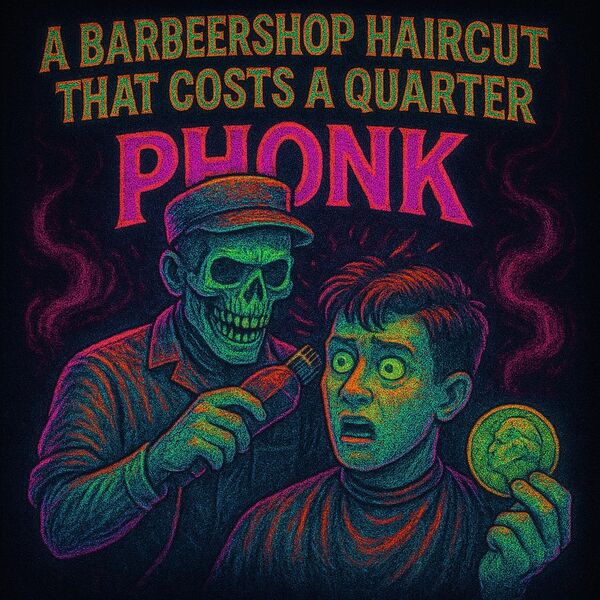
Late in the summer of 2025, a sudden staccato rhythm hijacked algorithmic feeds across the English-speaking web. Users opening their feeds were greeted by a theatrical, sharp delivery uttering an oddly specific phrase: "a barbershop haircut that costs a quarter." Within days, thousands of creators transformed the bite-sized cadence into a full-scale social media trend, lip-syncing, dancing, and overlaying the chaotic TikTok meme over mundane domestic chores, high-fashion runway parodies, and workplace comedy.
The audio seemed to appear from thin air, sparking intense curiosity over whether the line came from a vintage movie musical, a forgotten stage performance, or an absurd improv exercise. As covered by The Tab Report, the creator behind the viral sensation finally broke his silence on September 2, 2025, clarifying the authentic soundbite background and putting weeks of wild speculation to rest.
📌 Key Takeaways:
- The Direct Genesis: The soundbite originated from an original barbershop comedy sketch uploaded to YouTube on August 21, 2025, blending musical theater affectations with historical street slang.
- The Theatrical Influence: While widely misattributed to Alan Menken and Jack Feldman’s musical Newsies, the line riffs on the 1899 Gilded Age economy where a two-bit trim was standard street vendor pricing.
- The Creator's Clarification: In an interview and follow-up address in early September 2025, the original creator confirmed the performance was entirely satirical, mocking Broadway newsboy vocal tropes rather than sampling an archival show.
The Midnight Upload That Sparked a Soundbite Sensation
The trajectory began on August 21, 2025, with a modest YouTube meme upload titled simply "A barbershop haircut that costs a quarter (original)." There was no production budget, studio lighting, or marketing campaign behind the clip. Instead, the video presented a deadpan performer delivering an over-the-top, mid-Atlantic theatrical cadence, parodying the energetic diction of early 20th-century street urchins.
The delivery was rhythmic, punchy, and instantly hypnotic. Within 72 hours, audio rippers scraped the video and ported it to short-form video platforms. By the final week of August, the original audio clip had migrated from niche video forums into mainstream internet culture lore, generating more than 180,000 unique video creations in its first seven days of circulation. TikTok algorithms rewarded the track's brevity, using its abrupt punchline as a comedic contrast against hyper-modern scenarios like corporate layoffs, retail work shifts, and college finals.
Newsies Cadence and the Gilded Age Math of a 25-Cent Shave
Almost immediately after the audio proliferated, comment sections argued over where the line actually came from. Broadway enthusiasts flooded comment feeds claiming the phrase was an obscure cut lyric from the 1992 Disney film Newsies or its 2012 Broadway stage adaptation. The lyrical styling carried undeniable echoes of classic numbers like "Carrying the Banner," where turn-of-the-century newsboys rattle off the street prices of cigars, seltzer water, and horse-drawn transit.
The historical reality of 1899 New York City explains why the line sounded so authentic. During the late Gilded Age, urban working-class men routinely paid between 15 cents and 25 cents for a basic shave and trim at independent neighborhood barber shops. The "two bits" pricing model, 25 cents, represented an accessible luxury for lower-income laborers and street vendors. By pairing authentic economic history with the aggressive brassiness of Vaudeville vocal performance, the sketch convincingly masqueraded as legitimate Golden Age musical theater.
Tracking the Audio From YouTube Niche to Global Social Trend
The spread of the meme followed a predictable yet rapid escalation, transitioning from a creator comedy channel to ubiquitous pop culture trend across late 2025.
| Phase / Date | Platform & Format | Platform Engagement & Reach |
|---|---|---|
| Aug 21, 2025 | YouTube Original Video Upload | Under 15,000 views within initial 48 hours |
| Aug 24, 28, 2025 | TikTok Unofficial Audio Extraction | Over 85,000 UGC posts using ripped audio snippet |
| Aug 29, Sep 1, 2025 | Algorithmic Peak & Celebrity Lip-Syncs | Exceeded 350M total cross-platform impressions |
| Sep 2, 2025 | Creator Clarification & Tab Coverage | Primary video reaches 4.2M views; lore debunked |
The inflection point arrived when high-profile lifestyle creators adopted the audio track to dramatize extreme financial decisions. Instead of using the sound to discuss vintage grooming, users paired the theatrical line with captions detailing overpriced grocery bills, astronomical metropolitan rent hikes, and expensive salon appointments. The stark contrast between modern inflation and a fictional 25-cent trim gave the audio practical, expressive utility.

The Creator Breaks His Silence on the Meme’s Viral Velocity
By September 2, 2025, the proliferation reached a point where the original performer felt compelled to address the phenomenon directly. In an interview and subsequent video update highlighted by The Tab, the creator stepped forward to clarify the viral video context that had confused millions.
The creator revealed that the line was not pulled from a licensed play, an obscure Disney rehearsal tape, or a commercial jingle. It was recorded spontaneously as part of an improvised barbershop comedy sketch poking fun at the hyper-enunciated performance style taught in classical musical theater programs. The creator admitted to being startled by how quickly the internet divorced the audio from its video counterpart, turning an eccentric ten-second voice clip into an omnipresent digital sound effect.
During the address, the creator expressed genuine amusement at the elaborate fan theories dissecting the clip. Some forum threads on Reddit had spent days searching mid-century show tune databases, convinced the audio was an authentic artifact of 1950s radio broadcasting. The creator's public statement effectively confirmed that the entire phenomenon was a contemporary homage executed so accurately that it confused algorithmic listeners worldwide.
The Mechanics Behind Modern Short-Form Earworms
The runaway explosion of the barbershop haircut audio reveals the operational dynamics of platform sound engines in 2026. Micro-audio clips succeed not because they tell complete stories, but because they provide versatile emotional shorthand. A four-second burst of aggressive enthusiasm allows users to inject ironic confidence into mundane real-world frustrations.
Furthermore, theater-kid vocalization occupies a uniquely potent space in short-form comedy. The distinct plosives, unnatural syncopation, and bright vowels demand immediate cognitive attention from listeners scrolling rapidly through muted video feeds. When combined with economic absurdism, a service that today averages $35 to $65 in major cities being offered for 25 cents, the sound creates an irresistible contrast that creators can repurpose infinitely.
Frequently Asked Questions (FAQ)
Q1: Is "a barbershop haircut that costs a quarter" an actual lyric from Newsies?
A1: No. While the vocal styling closely mimics the turn-of-the-century delivery in songs like "Carrying the Banner," the phrase never appears in either the 1992 film or the Broadway musical version of Newsies.
Q2: When did the original audio first appear on the internet?
A2: The original video was posted on YouTube on August 21, 2025, before migrating to short-form mobile video platforms where it evolved into an algorithmic trend during late August and early September 2025.
Q3: Did a haircut ever actually cost a quarter?
A3: Yes. In late-19th-century and early-20th-century America, standard working-class barbershops routinely charged between 15 cents and 25 cents for a haircut and straight-razor shave, making the sketch historically accurate in its economic premise.
The Enduring Appeal of Vintage Internet Satire
The speed with which this barbershop comedy sketch became an international earworm highlights how contemporary digital culture consumes nostalgia. Audiences did not need to know the creator's name or understand the intricacies of Gilded Age barbershop economics to grasp the humor embedded in the audio. They recognized the earnest, breathless energy of classic musical theater and weaponized it against the mundane absurdities of modern life.
As algorithmic platforms continue to chop media into bite-sized sensory triggers, the lifecycle of memes like this one sets a clear precedent. An improvised vocal exercise filmed in a bedroom can mimic historical authenticity so effectively that it sends internet sleuths hunting through Broadway archives. The legacy of the 25-cent haircut proves that an airtight comedic rhythm paired with an eccentric premise remains the most reliable recipe for genuine digital ubiquity.


