Why bubly Tapped Chad Michael Murray: The Strategy Behind the Y2K Nostalgia Play
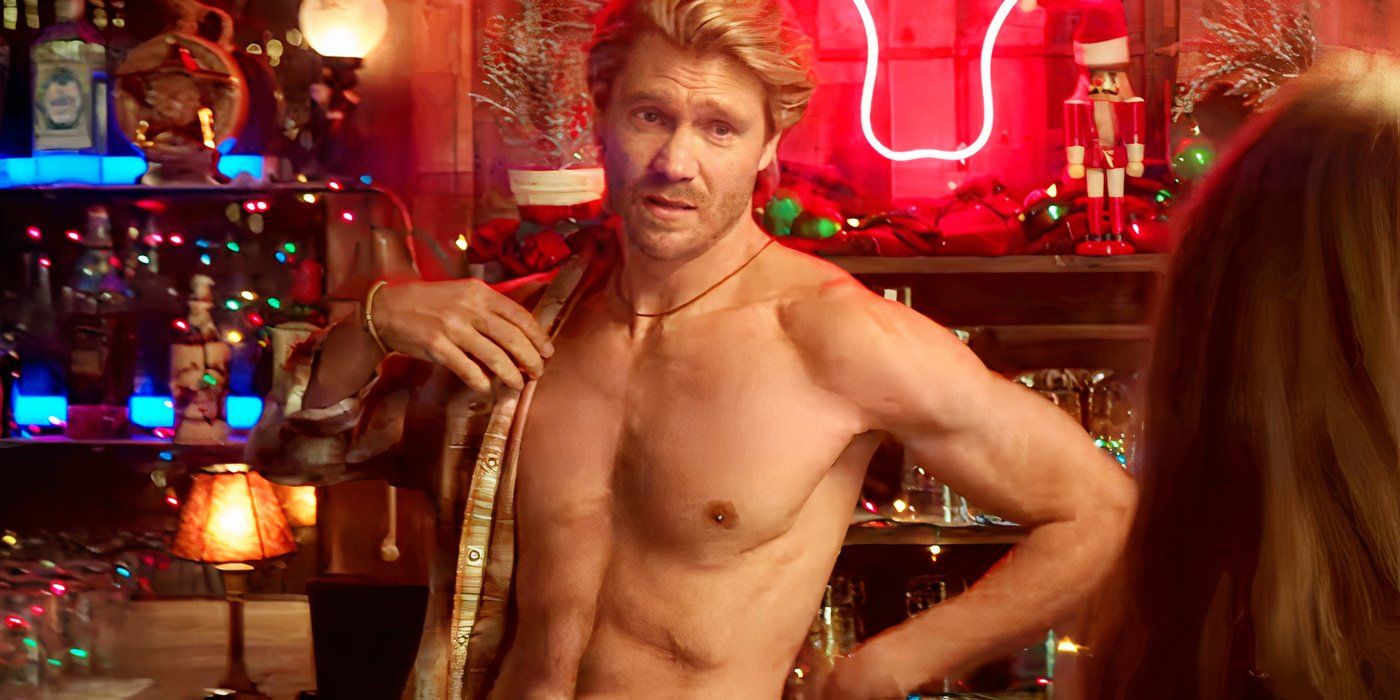
Summer beverage marketing rarely runs on subtlety, but PepsiCo’s latest play leans all the way into early-2000s teen melodrama. Actor Chad Michael Murray, whose turn in One Tree Hill, A Cinderella Story, and Freaky Friday cemented him as the quintessential brooding heartthrob of the Bush-era teen screen, has surfaced as the face of a new summer campaign for bubly sparkling water. According to industry analysis from the marketingreport.one Report, the push accompanies the launch of "Melted Ice Pop," a limited-edition flavor aimed directly at consumers who remember buying glossy teen magazines at grocery store checkouts.
The campaign positions Murray alongside chilled aluminum cans, trading dramatic stares and tongue-in-cheek dialogue that mimics mid-2000s television tropes. By pairing a specific taste memory with one of the most recognizable faces of the Total Request Live generation, the brand aims to stand out in a crowded, high-growth sector of the soft drink aisle.
📌 Key Takeaways:
- The Headline Move: PepsiCo’s bubly enlisted 2000s heartthrob Chad Michael Murray to front its summer launch of a limited-edition "Melted Ice Pop" sparkling water.
- The Nostalgia Mechanics: Rather than generic retro themes, the campaign pinpoints the emotional vocabulary of millennial teen television and Y2K aesthetic tropes.
- The Commercial Objective: The initiative targets cross-generational appeal, sparking grocery impulse purchases among older millennials while riding Gen Z’s ongoing fascination with mid-2000s pop culture.
The Resurgence of the Early-2000s Teen Idol
Pop culture operates on roughly a twenty-year recall cycle. In the 1980s, television producers revived 1950s greasers; in the 2010s, streaming platforms flooded screens with 1980s synth-wave and arcade nostalgia. Murray’s return to center stage marks the natural maturation of the Y2K aesthetic into mass-market grocery advertising.
Between 2003 and 2009, Murray served as the moody focal point of The WB (and later The CW), playing Lucas Scott in One Tree Hill. His messy hair, leather cuffs, and brooding monologues defined the teenage romantic ideal for millions of viewers. In recent years, syndication deals and streaming platforms introduced those same melodramas to younger viewers who missed their original broadcast runs. For bubly, securing Murray bypasses the need to invent an emotional connection from scratch. The familiarity already exists, preserved across thousands of syndicated reruns and viral social media clips.
Decoding the Melted Ice Pop Flavor Profile
A campaign built on nostalgia requires a product that mirrors the sentiment. The limited-edition "Melted Ice Pop" sparkling water deliberately targets a sensory memory shared by nearly every American kid who grew up chasing neighborhood ice cream trucks. The flavor profile isolates the blend of cherry, lime, and blue raspberry found in classic tricolor ice pops.
Sparkling water formulations usually focus on crisp, subtle fruit essences, grapefruit, lemon, or peach. Creating a soda that mimics sugary frozen syrup without adding real sugar or calories demands a precise aromatic balance. By titling the release "Melted Ice Pop," the brand embraces the specific sweetness of that puddle at the bottom of the plastic wrapper on a hot day. It takes a messy childhood staple and recasts it as a zero-calorie canned drink.
The Evolution of Beverage Nostalgia Plays
Legacy brands have spent decades trying to capture cultural movements through celebrity partnerships. What makes the current cycle distinct is the move toward self-aware, hyper-specific cultural references rather than broad, all-ages celebrity endorsements.
| Era & Campaign Focus | Core Demographic | Execution Style | Primary Channel |
|---|---|---|---|
| 2015, 2019: 1980s Retro | Gen X & Older Millennials | Neon aesthetics, synth soundtracks, arcade callbacks | Broadcast TV & YouTube pre-roll |
| 2020, 2023: Early 1990s Grunge | Core Millennials | Flannel textures, lo-fi VHS filters, alt-rock irony | Instagram & brand collaborations |
| 2024, 2026: Y2K Teen Melodrama | Millennials & Gen Z | Self-aware camp, early digital cameras, teen-drama tropes | Short-form video, retail display, TikTok |
The table highlights how brands have moved forward across the cultural timeline. Modern beverage marketing treats early-2000s camp as prime material for viral engagement, using stars who are comfortable poking fun at their former pinup personas.
Bridging Millennial Memory with Gen Z Feeds
The dual-generation target is the true engine of this rollout. Millennials, now aged roughly 28, 44, hold significant household spending power and often buy sparkling water in multi-pack cases during weekly grocery runs. For them, Murray evokes authentic personal memory: after-school TV marathons, flip phones, and burnt mix CDs.
Gen Z looks at the same era through a different lens. For viewers aged 14, 27, Y2K culture is an aesthetic palette to explore rather than an era they lived through as adults. They wear low-rise denim, carry vintage digital cameras, and share clips of vintage teen shows on TikTok. Murray’s involvement functions simultaneously as an earnest throwback for parents and an ironic, vintage-cool reference for their kids. That dual resonance makes a seasonal beverage purchase easy to justify across an entire household.
Commercial Execution and the Visual Language of Camp
The campaign’s commercial spots steer clear of straightforward product demonstrations. Instead, the creative team leaned directly into melodramatic lighting, soft-focus lenses, and earnest staring contests between Murray and a can of sparkling water.
Murray leans into the bit with total sincerity. He treats the sparkling water not just as a cold drink, but as a long-lost summer crush. This self-aware execution keeps the ad from feeling desperate. When an actor who once commanded screaming crowds at mall appearances leans into the humor of his heartthrob past, the audience laughs along with him rather than at him. It turns an ordinary commercial into shareable entertainment.
Frequently Asked Questions (FAQ)
Q1: What flavor is the new limited-edition bubly drink?
The beverage is called "Melted Ice Pop." It recreates the classic cherry, lime, and blue raspberry flavor profile of traditional red-white-and-blue frozen ice pops in a zero-calorie sparkling water format.
Q2: Why did bubly select Chad Michael Murray for this campaign?
Murray was one of the defining teen icons of the early 2000s, starring in hits like One Tree Hill and A Cinderella Story. The brand tapped him to front their Y2K-themed summer campaign to appeal directly to nostalgic millennials while engaging Gen Z consumers fascinated by mid-2000s pop culture.
Q3: How long will the Melted Ice Pop flavor be available in stores?
The product is a seasonal, limited-edition release rolled out for the summer shopping window, available across major grocery and retail chains while inventories last.
The Staying Power of Nostalgic Storytelling
Beverage aisles remain battlegrounds of shelf space, where brand loyalty shifts quickly based on novelty, price, and seasonal interest. Generic claims about crisp bubbles or natural fruit extracts rarely stop a shopper pushing a cart down the drink aisle. Specific cultural connections do.
By pairing Chad Michael Murray with an unmistakable taste of childhood summers, PepsiCo created a campaign that cuts through retail noise. It shows how brands can turn fond memories into real-world sales without taking themselves too seriously. As long as shoppers find comfort in familiar faces and childhood flavors, nostalgia will continue to drive summer product launches.


