Why Does Fermented Tea Taste Like That? The Shocking Flavor Profile of Laphet Thoke
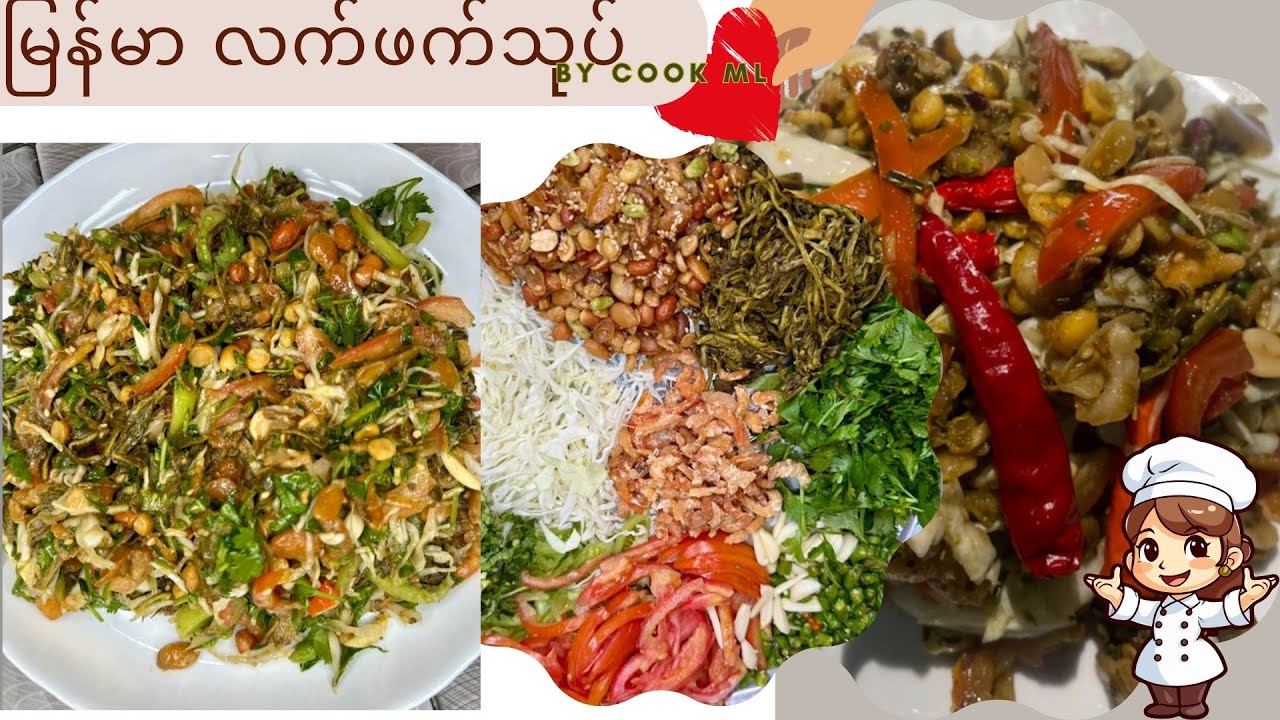
Take one forkful of laphet thoke, and your sensory baseline shifts instantly. The dish does not ease you into its profile. Instead, it hits the palate with an assertive jolt of wet earth, pickled acidity, biting raw garlic, and an unmistakable rush of savory funk, followed immediately by an almost deafening crunch of fried legumes and seeds. For newcomers encountering traditional Myanmar cuisine, the reaction is rarely neutral. Diners either find themselves transfixed by its layered complexity or utterly bewildered by how green tea leaves, typically steeped gently in porcelain cups, can taste this pungent, salty, and alive.
This culinary fascination has spread far beyond Yangon street stalls into global dining rooms. Food critics and curious diners regularly treat the dish as a baptism into Southeast Asian fermentation. In a comprehensive menu evaluation by the HONOLULU Magazine Report on Rangoon Burmese Kitchen, tasters spotlighted how the fermented tea leaf salad anchors the entire meal, surprising uninitiated eaters with its bold textures and savory depth. To understand why laphet thoke commands such obsession, you have to break apart its chemical, historical, and sensory makeup.
📌 Key Takeaways:
- The Taste Profile: Laphet thoke delivers a dense mix of sour, salty, bitter, and deep umami notes balanced by the sharp heat of fresh chilies and raw garlic.
- The Essential Core: The base relies on edible fermented green tea leaves aged underground, trading delicate floral tannins for a damp, earthy pungency.
- Textural Contrast: A mix of fried yellow split peas, toasted sesame seeds, peanuts, and crispy garlic chips cuts through the wet, pasty tea leaves with sustained crunch.
The First Bite Paradox: A Collision of Acid, Funk, and Bitter Crunch
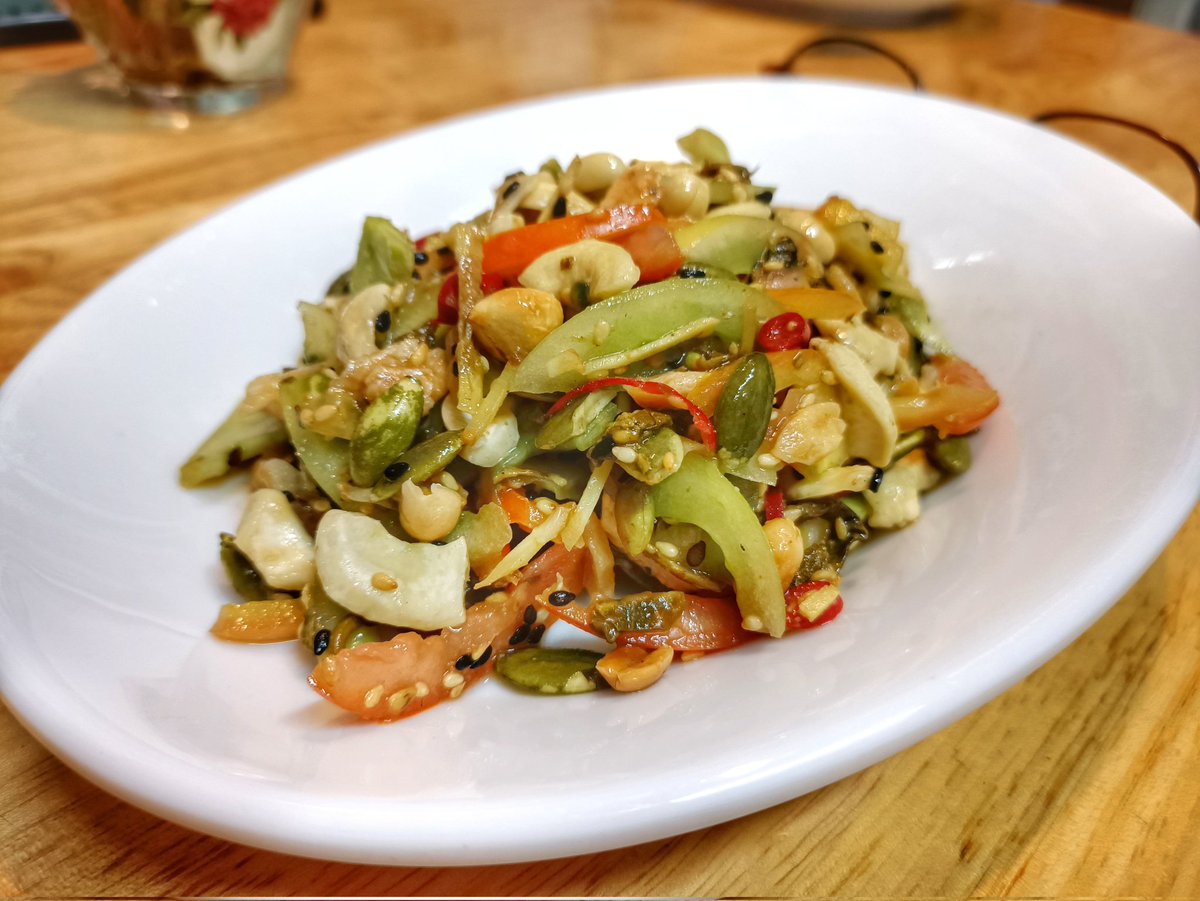
Describing laphet thoke through Western culinary equivalents usually fails because no single Western dish combines intense caffeine, lactic sourness, and fried crunch in identical proportions. Imagine a mash-up of green olive tapenade, high-grade matcha, pickled mustard greens, and movie-theater-crisp roasted nuts, pulled together with a pungent fish sauce and lime dressing. The salad tastes savory, herbal, and unapologetically damp at first contact. Seconds later, the citrus acidity breaks through, scrubbing away the heaviness before a wave of roasted nutty crunch takes over.
The palate registers multiple signals at once. The tea leaves bring a deliberate, pleasant astringency that lingers at the back of the throat. Meanwhile, raw sliced bird's eye chilies and slivered garlic send sharp heat shooting across the tongue. It wakes up every taste receptor simultaneously. You get fat from peanut oil, salt and glutamates from fermented fish or shrimp paste, sourness from citrus, bitterness from tea tannins, and sweetness from sliced cherry tomatoes.
How Fermented Green Tea Leaves Create That Pungent Umami Base
The undisputed heart of the dish is laphet (often spelled lahpet), meaning fermented or pickled tea. While most global tea cultures drink their harvest, Myanmar eats roughly 17% of its total yield. Harvesters in the Shan State mountains pluck tender young leaves, steam them briefly, and press them tightly into bamboo vats or subterranean pits weighed down with heavy river stones.
Over three to four months, anaerobic microbial fermentation transforms the fresh leaves. Beneficial bacteria, primarily lactic acid strains, consume natural plant sugars, generating tart lactic acid while softening harsh raw tannins. The oxidation turns the vibrant green leaves into a dark, olive-toned paste with an intense, barnyard-adjacent dampness. When massaged with garlic oil, salt, and occasionally pounded dried shrimp, the leaves develop an earthy savoriness that mimics aged cheese or cured anchovies. Without this deep microbial funk, the salad loses its identity entirely.
Deconstructing the Crunch: Flavor and Texture Roles in Laphet Thoke
A poorly made laphet thoke turns into a soggy green clump. The magic relies on an intentional balance between wet, decaying plant matter and dry, hyper-crispy inclusions known collectively as hkyan-gyaw (fried garnishes).
| Ingredient Component | Dominant Flavor Notes | Sensory & Textural Function |
|---|---|---|
| Fermented Tea Leaves (Laphet) | Earthy, astringent, tart, herbal funk | Pliable, wet anchor; coats the palate with deep umami. |
| Crunchy Fried Yellow Split Peas | Nutty, starchy, lightly salty | Provides a dense, jaw-snapping shatter that resists dressing. |
| Crispy Garlic Chips & Fresh Slivers | Pungent allium bite, sweet caramelized notes | Delivers sharp heat spikes; cuts through oily tea emulsion. |
| Toasted Sesame Seeds & Peanuts | Warm, roasty, aromatic, rich | Fills gaps between large legumes; distributes roasted oils evenly. |
| Fish Sauce and Lime Dressing | Sharp citric acid, maritime salt, glutamates | Binds disparate crunchy items; brightens damp vegetal tones. |
Every bite shifts depending on your fork's path. One mouthful brings the explosive crunch of a fried split pea against sour tea dressing. The next floods your tongue with nutty sesame oil and the biting clarity of paper-thin raw garlic. The textural landscape never flattens out.
The Caffeinated Kick: Why This Salad Gives You a Head Rush
Few foods in global gastronomy provide a measurable central nervous system stimulant, yet laphet thoke delivers exactly that. Because you consume the entire tea leaf rather than an infusion, you ingest the full chemical payload of the plant: caffeine, L-theanine, and catechin polyphenols.
A standard serving delivers between 30 mg and 65 mg of active caffeine, equivalent to a shot of espresso or a strong can of soda. In Myanmar, students eat laphet while cramming for late-night exams, and long-haul drivers rely on it to stay alert across mountain passes. When you eat it as an appetizer during a 7:30 PM dinner, do not be surprised if you feel wide awake at midnight. The combination of concentrated caffeine and the physical shock of raw garlic and chilies produces an alertness unlike any ordinary leafy salad.
From Ancient Peace Treaty to Modern Rangoon Dining
Long before laphet thoke landed on diaspora menus in San Francisco, London, or Honolulu, it held sovereign diplomatic power. In pre-colonial Burma, warring hill kingdoms resolved border conflicts by sharing a lacquerware dish called a laphet ok. Taking tea leaves together signaled that an armistice had been negotiated and accepted. If a party refused to eat, the war continued.
That communal heritage persists. In modern Myanmar homes, hosts serve laphet in partitioned lacquerware containers, presenting the tea leaves, dried shrimp, fried peas, and chili slices separately so each guest can calibrate their own ratios. When the dish crossed oceans into modern restaurants, chefs adapted the service, tossing the ingredients tableside into a unified, salad-style presentation with shredded cabbage and diced tomatoes to soften the blow of the pungent fermented base.
Navigating the Taste: Who Loves It and Who Should Steer Clear
Laphet thoke does not bend toward neutral palates. If your comfort zone centers on mild, creamy, or sweet salads, this dish will challenge your senses immediately. The lactic sourness and musty tea undertones can initially come across as medicinal or aggressively bitter to the unprepared.
However, if you gravitate toward kimchi, cured anchovies, pungent soft cheeses, and bold Thai or Vietnamese street dishes, laphet thoke feels like a revelation. It satisfies the elusive craving for deep umami while keeping the palate refreshed with lime juice and crackling legumes. It is an adventurous eater’s dream: a dish where texture, fermentation, and ancient agricultural preservation collide in a single bowl.
Frequently Asked Questions (FAQ)
Q1: Is laphet thoke served cold, warm, or room temperature?
A1: Laphet thoke is traditionally served at room temperature. The tea leaves and fried toppings remain unchilled to preserve the fragrant garlic oils and avoid making the crispy legumes brittle or hard.
Q2: Can vegetarians and vegans safely order laphet thoke?
A2: Often, but you must ask. Traditional recipes rely heavily on fish sauce and pounded dried baby shrimp for savory depth. Many modern Burmese restaurants readily substitute light soy sauce or sea salt to make the dish completely plant-based.
Q3: Why do some restaurant versions include shredded cabbage while others do not?
A3: Traditional Burmese service focuses almost entirely on the tea leaves and fried legumes. Emigrated chefs introduced raw shredded green cabbage and tomatoes to add extra hydration, dial down the intense pungency for Western diners, and build familiar salad volume.
Q4: Where can I buy authentic fermented tea leaves to make it at home?
A4: Packaged fermented Burmese tea leaves are widely sold in Southeast Asian grocery markets and specialty online retailers under brands like Yoma or Burma Superstar, usually labeled as sour tea leaf dressing or laphet paste.
The Enduring Genius of Edible Tea
Laphet thoke succeeds because it breaks the predictable boundaries of how vegetables are presented. It rejects sweet dressings and delicate greens in favor of fermented funk, genuine bitter complexity, and percussive crunch. By transforming tea from an aromatic drink into a caffeinated, savory centerpiece, Myanmar created a flavor profile unlike anything else on Earth, bold, challenging, and profoundly memorable.