Why Everything You Know About Sizzling Sisig Might Be a Culinary Lie
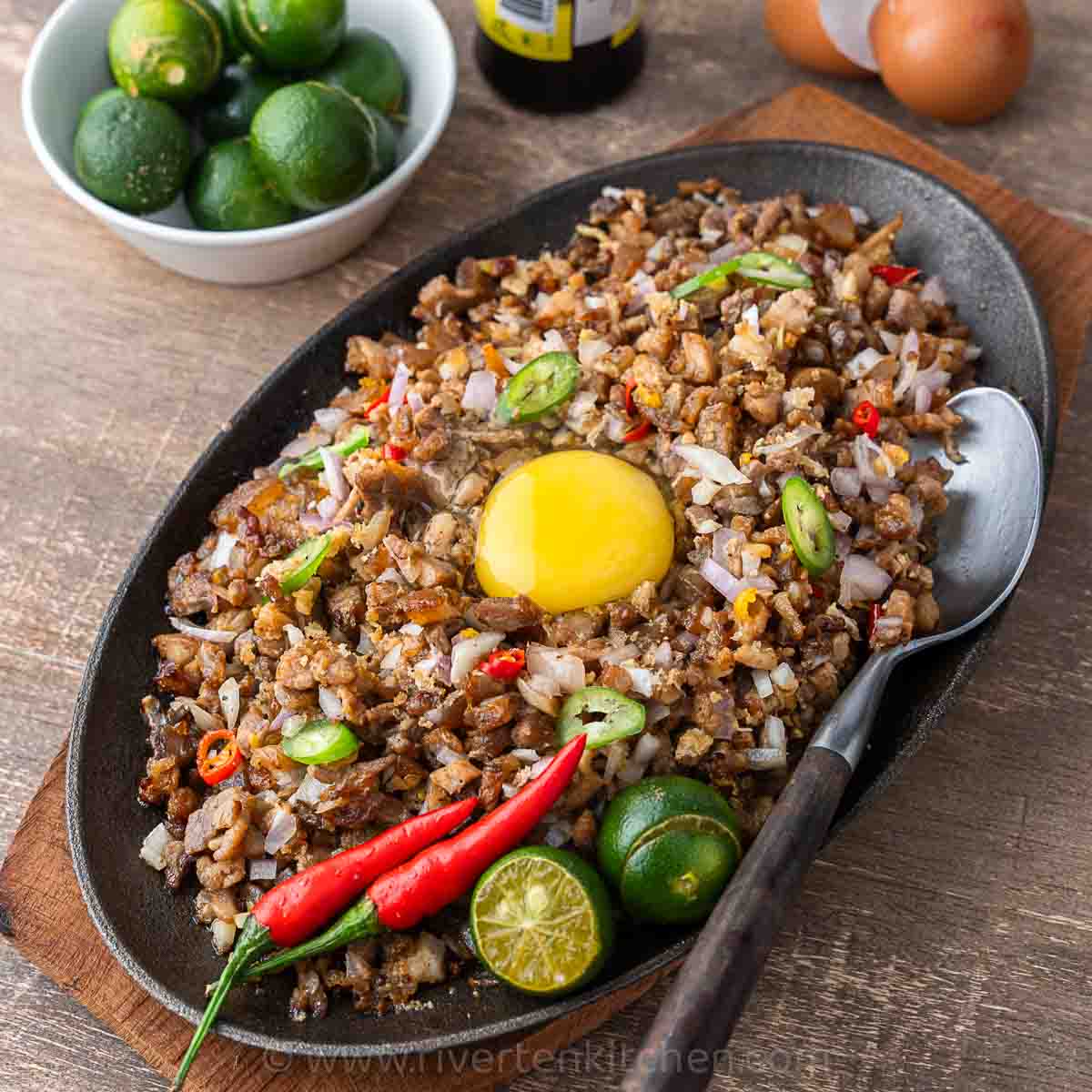
When an iron skillet hits the dining room table at a modern Filipino gastropub, it usually announces itself with a violent hiss. A cracked raw egg quivers in the center, drowning in slick ribbons of commercial mayonnaise while pork bits crisp against blistering cast iron. Diners reach for their phones, eager to capture the sensory display. Yet across the central plains of Luzon, culinary historians and Kapampangan elders view that show with quiet resignation.
The widespread restaurant standard is an outright departure from the dish's roots. According to a recent Lifestyle.INQ Report tracking the national food identity debate, the tension between regional authenticity and urban shortcuts has reached a boiling point. The authentic version is not a greasy, dairy-smothered stir-fry. It is an intricate, sharp pork salad defined by smoke, gelatin, and bright citrus acidity.
📌 Key Takeaways:
- The Original Blueprint: Lucia "Aling Lucing" Cunanan invented modern sisig in the 1970s using boiled, charcoal-grilled pig parts dressed with tart citrus and chicken liver rather than eggs or dairy.
- The Commercial Shortcut: Mayonnaise and raw eggs entered the recipe during the late 1980s to keep pre-cooked meat moist under bar heat lamps, diluting the sharp profile native to Pampanga.
- The Technical Key: Authentic texture depends on pairing boiled and grilled pork jowl and ears with a rich chicken liver dressing and crushed siling labuyo bird eye chili.
Angeles City Culinary Heritage and Aling Lucing's Invention
The term sisig dates back centuries before pork offal entered the picture. A 1732 Kapampangan-Spanish dictionary compiled by Augustinian friar Diego Bergaño defined sisig as a sour salad of green guava, unripe mangoes, and papaya marinated in salt and vinegar, frequently consumed by pregnant women or used as a restorative cure for stomach ailments. For generations, the dish was an acid-driven palate cleanser rather than an entrée.
The modern incarnation arrived through military waste and economic ingenuity. During the mid-20th century, the United States maintained Clark Air Base in Angeles City. Commissary workers routinely threw out pig heads, having no use for the snouts, ears, and jowls in standard mess-hall cooking. Local meat vendors bought these discarded cuts for pennies.
In 1974, stall owner Lucia "Aling Lucing" Cunanan overhauled the preparation along the railroad tracks of Angeles City. Rather than merely boiling the scraps into a basic vinegar salad, she devised a three-stage cooking process: boiling the meat until tender, charring it over glowing charcoal embers to impart an aggressive smokiness, and chopping it into fine, uniform morsels. She seasoned the meat with raw shallots, sour calamansi juice, and mashed chicken liver to bind the components.
The creation took over the local pub scene as the quintessential traditional pulutan, the ultimate bar snack enjoyed alongside ice-cold beer. Aling Lucing's technique fundamentally reshaped Philippine food culture, earning Angeles City the recognized title of the culinary capital of the Philippines.
The Mayonnaise and Raw Egg Debate Dividing Philippine Kitchens
Order sisig outside of Central Luzon today, and you will almost certainly find it smothered in mayonnaise and crowned with a runny egg. To Kapampangan purists, this practice borders on culinary sacrilege. As documented by GMA Network, local culinary defenders maintain that adding mayonnaise destroys the delicate acidity that balances the richness of pork cartilage.
The culinary split comes down to structural moisture versus convenience:
- Pubs in Metro Manila in the 1980s and 1990s prepared meat in massive batches hours before service. Stored in coolers and reheated under kitchen heat lamps, the pork dried out quickly. Mayonnaise offered a cheap, emulsified oil that restored simulated richness in seconds.
- Cheap commercial mayonnaise contains sweet stabilizers and heavy vegetable oils that mute the bright citrus notes of native calamansi, masking the sulfurous char of properly grilled pork.
- Cracking an egg over a metal platter introduces excess water and sulfur. As the egg cooks unevenly on table cast iron, it forms gummy scrambles that coat the mouth in fat, eliminating the crisp bite of cartilage.
Angeles City took this cultural defense so seriously that the city council passed Ordinance No. 405 in 2017, formally establishing authentic Kapampangan sisig as an intangible cultural heritage. The municipal ordinance explicitly specifies that genuine sisig contains boiled, grilled pig head parts seasoned with calamansi, onions, and chicken liver, excluding mayonnaise, raw eggs, or commercial thickeners from the registered municipal standard.
The Sizzling Plate Controversy: Cast Iron vs. Enamel Salad
The theatrical sizzle that defines modern sisig did not originate in Aling Lucing’s open-air stall. As reported by Esquire Philippines, not all sisig is meant to sizzle; the sizzling plate was introduced years after Cunanan perfected the core recipe. Restaurateur Benedicto Yujuico first served sisig on an iron fajita skillet at Trellis in Quezon City during the mid-1980s to keep the pork fat from congealing as patrons nursed drinks through long evenings.
The innovation turned the dish into an international sensation, but it fundamentally altered its texture. Continuous cooking on a red-hot metal surface renders out intramuscular fat, leaving the delicate ears leathery rather than tender-crisp.
| Element | Authentic Kapampangan | Commercial Sizzling Plate | Crispy Pork Belly Sisig |
|---|---|---|---|
| Pork Cuts | Pork jowl, ears, and snout | Pork maskara mixed with scrap belly | Pork belly (liempo) only |
| Cooking Sequence | Boil tender → Charcoal grill → Hand-chop | Boil → Griddle fry → Cast-iron heat | Deep-fry crisp → Dice → Toss |
| Emulsifier / Binder | Broiled chicken liver paste | Mayonnaise and raw chicken egg | Liquid seasoning and margarine |
| Serving Vessel | Room-temp shallow bowl or plate | Heavy cast-iron fajita skillet | Sizzling skillet or ceramic plate |
| Dominant Flavor | Smoky, assertive citrus, sharp heat | Rich, creamy, savory, mild pepper | Salty, fatty, deep-fried crunch |
While crispy pork belly sisig has grown popular across home kitchens due to the easy availability of pork belly over pig heads, the authentic preparation relies on the interplay between rubbery, gelatinous skin and the crisp snap of cartilage.

Pork Jowl and Ears: Perfecting the Texture and Chicken Liver Dressing
Replicating an authentic Kapampangan sisig recipe at home requires respecting the interplay between two distinct cuts: pork jowl and ears. The pig ear provides the essential snap and chew. Without ear cartilage, sisig collapses into an ordinary hash of diced meat. The jowl (maskara) provides fatty unctuousness layered against lean, connective meat strands that brown cleanly over coals.
The binding agent is the defining technical test of the recipe. Authentic cooks rely on fresh chicken liver. When gently poached or seared over direct flame and mashed into a coarse paste, the liver creates an emulsion with the pork juices and citrus. It supplies depth, iron-rich savoriness, and body without masking the brightness of the fruit.
[Phase 1: Simmering] ──> Simmer jowl & ears with aromatics until tender (45, 60 min)
│
[Phase 2: Blistering] ──> Grill over high charcoal embers to char surface (5, 8 min)
│
[Phase 3: Dicing] ──> Hand-chop pork into consistent 0.5-centimeter cubes
│
[Phase 4: Dressing] ──> Fold with mashed chicken liver, calamansi, shallots & chili
The acid component cannot be casually substituted. Purists insist on fresh calamansi juice, a native hybrid citrus with a peel packed with aromatic oils and pulp that carries a sharp, mandarin-lime bite. If calamansi is unavailable, a 2:1 ratio of fresh lime juice to white vinegar mimics its clean citrus kick without overwhelming the palate with sweetness.
From Angeles City Backstreets to TasteAtlas World Pork Honors
Over the past decade, sisig moved from regional dive bars to the forefront of global gastronomy. The late Anthony Bourdain was an early vocal advocate, famously stating that the dish was perfectly engineered to convert international palates to Filipino cuisine through its contrasting textures and acid balance.
That global reputation has translated into verified culinary benchmarks. In annual rankings by international food monitor TasteAtlas, sisig regularly features among the premier pork dishes worldwide, sharing rankings with Mexican carnitas, Puerto Rican pernil, and Spanish cochinillo. In their 2024, 2025 evaluations of top pork offerings, international culinary panels highlighted the dish's zero-waste ethos, transforming discarded connective offal into an elite textural experience.
This international recognition has paradoxically reinforced the domestic push back toward culinary purity. As diners across London, Los Angeles, and Melbourne embrace Filipino dining, diaspora chefs are actively shedding the mayonnaise crutch, reintroducing global food critics to the unadulterated vinegar-and-liver profiles pioneered half a century ago.
The Purist's Filipino Food Sisig Recipe: Step-by-Step Method
This home method strips away commercial additions, using charcoal heat, offal, and the traditional citrus dressing.
Ingredients
- 500 grams pork ears; 500 grams pork jowl (pork cheeks).
- 1 whole red onion, halved; 6 cloves garlic, crushed; 2 dried bay leaves; 1 tablespoon black peppercorns; 2 tablespoons sea salt.
- Dressing & Seasoning: 150 grams fresh chicken liver; 60 ml fresh calamansi juice (or 40 ml lime juice mixed with 20 ml cane vinegar); 1 large red onion, diced fine (about 120 grams); 4 to 6 fresh siling labuyo bird eye chilies, finely sliced; 1 teaspoon freshly ground coarse black pepper; 1 tablespoon fish sauce (patis) to taste.
Step 1: The Parboil Stage
Rinse the pig ears and jowl thoroughly under cold water. Use a disposable razor to scrape away any remaining bristles on the skin. Place the meat in a heavy stockpot, cover with cold water, and bring to a rapid boil for 5 minutes. Drain completely and discard the cloudy water to eliminate gamey odors. Refill the pot with fresh water, add the crushed garlic, halved onion, bay leaves, peppercorns, and salt. Simmer over medium-low heat for 45 to 60 minutes, until a fork pierces the jowl cleanly, but the ear cartilage still retains structural firmness. Remove the meat and pat it completely dry. Let it cool on a wire rack for at least 30 minutes.
Step 2: Charcoal Charring
Prepare a grill with lump charcoal, bringing it to high heat (400°F, 450°F / 200°C, 230°C). Place the dry jowl and ears directly over the hot coals. Grill for 4 to 6 minutes per side, allowing the skin to blister, bubble, and pick up visible black char marks. Simultaneously, skewer the chicken livers and grill over indirect heat for 4 minutes until cooked through but still tender inside. Remove everything from the heat.
Step 3: The Hand Chop
Allow the meat to rest until safe to handle. Slice the ears and jowl into thin strips, then hand-dice them into 0.5-centimeter cubes. Avoid running the meat through a food processor; machine-ground meat turns pasty, ruining the textural contrast between crispy skin, tender fat, and crunchy cartilage.
Step 4: Dressing and Assembly
In a large ceramic mixing bowl, mash the grilled chicken liver with the back of a fork until it forms a thick paste. Whisk in the fresh calamansi juice and fish sauce until an emulsified dressing forms. Add the warm chopped pork, raw diced red onion, coarse black pepper, and sliced siling labuyo bird eye chili. Toss vigorously with wooden spoons until every pork cube is glossy and lightly coated in the dressing. Serve warm alongside steamed garlic rice or as a standalone pulutan.
Frequently Asked Questions (FAQ)
Can pork belly replace pig ears and jowls if offal is unavailable?
Pork belly produces a satisfying dish, but it lacks the necessary cartilage crunch of the ear and the gelatinous quality of the jowl. If pig ears cannot be sourced, combine pork belly with boiled chicken gizzards to mimic the essential textural snap.
Why do restaurant menus across the globe still include mayonnaise?
Mayonnaise is a restaurant shortcut. It keeps pre-cooked, refrigerated pork moist during service and cushions the palate against aggressive spice, accommodating casual bar crowds who prefer a milder profile over traditional sourness.
Is using a cast-iron sizzling skillet acceptable at home?
You may warm a cast-iron platter for presentation, but avoid serving the meat smoking hot. Excessive residual heat overcooks the fresh shallots, burns the delicate chicken liver emulsion, and dries out the gelatin in the pork skin.
Preserving Regional Character Over Commercial Convenience
Food evolves out of necessity, market forces, and changing tastes. Mayonnaise and sizzling iron plates helped sisig expand beyond Pampanga's borders, establishing it as a pub standard across Manila and a global gastropub novelty. Yet convenience often comes at the expense of regional identity.
Embracing authentic Kapampangan sisig means honoring a culinary tradition rooted in post-war resilience and sharp technique. By balancing smoke, gelatinous crunch, offal richness, and clean calamansi acidity, cooks experience the dish precisely as Aling Lucing intended: an assertive, unpretentious masterpiece of Philippine culinary craft.