Why Giving Out Your Cell Number Is Dangerous: How to Call Privately Right Now

Your cell phone number functions as an informal Social Security number. When you place a routine call to an online marketplace seller, an unfamiliar service contractor, or a prospective employer, you hand over a persistent identity anchor. Data aggregators track these ten digits across voter files, real estate indices, and marketing databases to build comprehensive dossiers on private citizens. As highlighted in a broader investigation into digital identity leakage by the privateinternetaccess.com Report, unvetted communication channels routinely expose individuals to identity correlation and invasive monitoring across corporate data ecosystems.
Shielding your personal number does not require expensive espionage hardware. Mobile carriers and operating system developers maintain direct mechanisms to disguise outbound calls. Whether you need a one-off blocked call or a permanent structural barrier between your personal life and public communications, standard smartphones can shut down unauthorized number collection immediately.
📌 Key Takeaways:
- Instant Concealment: Dialing the *67 prefix code suppresses outbound caller identity on individual North American landline and mobile calls without subscription fees.
- Operating System Controls: Both iOS and Android provide native settings to configure an outgoing "No Caller ID" profile for every dial, subject to carrier network permissions.
- Hard Telecom Limits: Basic number masking shields your data from standard recipients, but emergency services (911) and toll-free vanity lines (800, 888) bypass caller identification blocking via automated number identification (ANI) protocols.
The Identity Trap Built Into Modern Phone Numbers
A personal phone number was once just a wire routing directly to a home kitchen. Today, it serves as the master key to your digital identity. Tech platforms, banking portals, and verification services demand your primary cell number for two-factor authentication, making it a lucrative vector for SIM-swap attacks and credential spraying.
When you place an unmasked call, the recipient's phone captures your Calling Party Number (CPN). That simple string lets anyone run a reverse lookup on consumer databases like Spokeo or BeenVerified for less than $2. Within forty seconds, an aggressive salesperson or stranger can unearth your home address, immediate relatives, estimated household income, and historical criminal records. Keeping your number private prevents casual contacts from turning brief conversations into permanent personal dossiers.
Instant Anonymity: Dialing *67 and Regional Vertical Service Codes
The fastest way to place an anonymous phone call requires no menu navigation or software downloads. You simply use a vertical service code recognized by traditional telecom switches across the North American Numbering Plan.
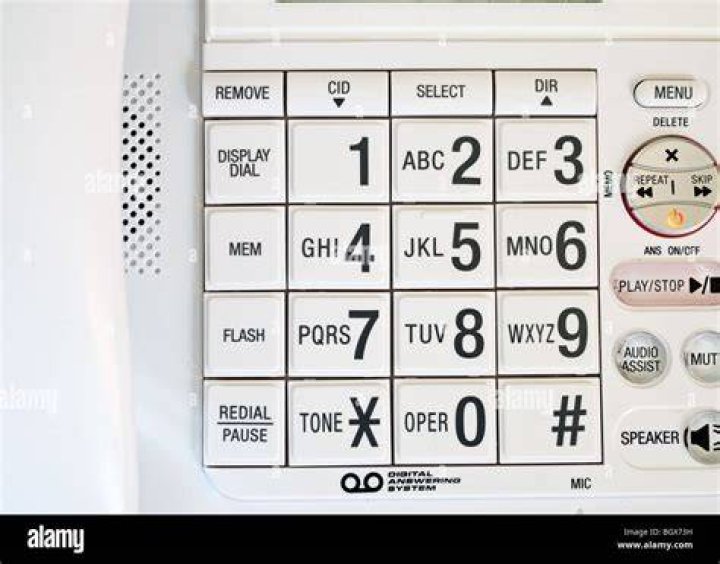
Pick up your dialer, enter *67, and then enter the standard ten-digit destination number (for example, *67-555-0199). When the call routes through the public switched telephone network, the switch flags your Calling Party Number as restricted. The recipient's handset displays "Private," "Restricted," or "Blocked," masking your digits entirely. The feature works on Verizon, AT&T, T-Mobile, and legacy wired connections without an added service fee.
If you call from outside North America, international telecommunications standards use different vertical prefixes. Dialing #31# achieves the same unlisted number dialing outcome across the United Kingdom, Australia, and widespread European networks. Dialing 141 serves this exact function on landline and mobile systems throughout the UK.
Permanent System Toggles: Hide Caller ID on iPhone and Android
Entering a prefix code before every conversation invites human error. If you dial twenty prospective business leads or run investigative research from your personal device, one forgotten prefix undoes your operational privacy. You can automate caller identification blocking directly inside your device's core operating system.
To hide caller ID on iPhone hardware:
- Launch the native Settings app.
- Scroll down and tap Phone.
- Locate and select Show My Caller ID.
- Switch the toggle to the Off position.
Every standard voice call you place will now register as a No Caller ID outgoing transmission until you re-enable the toggle.
Android call privacy settings operate on a similar switch, though visual interfaces differ slightly between manufacturer skins:
- Open the native Phone dialer app.
- Tap the three vertical dots in the upper right corner to enter Settings.
- Select Supplementary Services (on Samsung Galaxy interfaces) or Calling Accounts (on Google Pixel and Motorola handsets).
- Tap Caller ID or Show My Caller ID.
- Select Never or Hide Number from the modal prompt.
Keep in mind that certain wireless carriers, including select discount MVNOs and legacy prepaid plans, intentionally disable this software switch at the SIM card profile level. If your menu toggle appears grayed out or displays an error message stating "Network or SIM card error," you must contact your mobile carrier directly to request line-level outbound privacy restrictions.
Secondary Virtual Lines Versus Network-Level Blocking
Masking your number with a carrier code or system toggle carries a practical downside: people rarely answer unknown callers. Robocall filtering tools and iOS features like "Silence Unknown Callers" route masked lines straight to voicemail. If you need people to pick up without handing out your personal number, an alternate virtual number is a much better choice.
| Method | Cost Tier | Display on Recipient Screen | Two-Way SMS Support | Answer Rate Profile |
|---|---|---|---|---|
| *67 Prefix Code | Free | "Private" / "No Caller ID" | No | Low (10%, 20%) |
| OS Settings Masking | Free | "Private Caller" / "Restricted" | No | Low (10%, 20%) |
| Google Voice Alternate Line | Free (US accounts) | Legitimate Secondary Ten-Digit Number | Yes | High (70%, 85%) |
| Burner Number Apps | $4, $15 / month | Disposable Ten-Digit Local Line | Yes | High (70%, 85%) |
A Google Voice alternate line supplies an autonomous ten-digit phone number that routes incoming audio through your cell network or local Wi-Fi. It lets you send texts, screen incoming calls, and separate your real number from everyday public interactions. Specialized burner number apps like Burner, Hushed, or Cloaked go a step further. They let you discard and regenerate numbers on demand, keeping your actual SIM card completely unlisted.
Call Spoofing Versus Legitimate Private Caller Masking
Internet users often confuse caller ID suppression with call spoofing. The difference is critical, both technically and under federal law.
When you hide your caller ID through *67, you instruct telecom privacy controls to mark your Calling Party Number as confidential. The carrier leaves the caller ID blank and flags the transmission accordingly. This practice is entirely legal under the FCC Truth in Caller ID Act, which protects consumer privacy during legitimate communications.
Call spoofing alters data packets to display a fake, third-party phone number on the recipient's screen. While collection agencies, corporate PBX systems, and doctors calling from home use legal spoofing to show an office headquarters, bad actors abuse it to impersonate banks or law enforcement. Telecom networks now fight malicious spoofing using STIR/SHAKEN cryptographic standards. If you try to run unauthorized spoofing scripts, upstream carriers will flag your calls as "Spam Likely" or drop them from the network altogether.
Telecom Blindspots Where Private Calling Fails Completely
Suppressing your caller identity gives you real day-to-day privacy, but it is not bulletproof. Behind the consumer-facing caller ID system sits a separate, unalterable protocol: Automatic Number Identification (ANI).
Telephone networks built ANI specifically for real-time billing and routing. Unlike standard caller ID, which can be held back at the user's request, ANI data passes through carrier switches automatically. When you place an emergency call to 911, public safety dispatch systems override any *67 code or device setting to pull your exact coordinates and billing phone number immediately.
Toll-free hotlines operating on 800, 888, 877, 866, and 855 prefixes also bypass regular caller ID blocks. The owner of an 800 line pays for the incoming transmission per minute. Because they pay the freight, telecom regulations grant toll-free subscribers direct access to incoming ANI records. When you dial an 800-number bank hotline, customer support desk, or corporate switchboard, the receiving company sees your real telephone number instantly, regardless of your personal privacy toggles.
Frequently Asked Questions (FAQ)
Q1: Can someone trace a call made using the *67 prefix?
A1: An everyday individual cannot uncover your phone number through conventional consumer caller ID screens or mobile apps. However, your underlying cellular carrier logs every dialed connection in detailed billing records. If law enforcement serves a subpoena or search warrant on the carrier, your real telephone number, call duration, and tower location data will be handed over immediately.
Q2: Why is the "Show My Caller ID" toggle grayed out on my iPhone?
A2: When an operating system toggle is disabled or inaccessible, the limitation originates from the cellular carrier rather than your hardware. Certain discount MVNOs and standard corporate billing profiles do not permit subscriber-side caller ID control. In these situations, you must contact your cellular provider's customer service team and request line-level caller ID suppression on your account.
Q3: Does the *67 prefix code work for concealing text messages?
A3: No. The *67 vertical service code was designed strictly for voice call signaling systems. Entering *67 before a ten-digit number in an SMS or MMS thread will cause the transmission to fail or route to an invalid carrier address. To send an unlisted text message, you must use a VoIP application, a secondary line platform such as Google Voice, or a dedicated burner number app.
The Architecture of Personal Reachability in 2026
Your phone number remains a permanent vulnerability across the modern web. Once a data broker ties your digits to your name, removing that connection takes hours of manual opt-outs across consumer tracking platforms.
Relying on basic caller privacy controls is a simple, effective first line of defense. Use *67 for quick, one-off conversations with service providers and marketplace buyers. If your workflow demands frequent calls to strangers, set up an alternate Google Voice line or a dedicated secondary app. Restricting who gets your primary cell number keeps your digital identity secure, your data out of broker lists, and your phone free from endless spam.