Why 'I Miss the Old Kanye' Is Resurfacing Louder Than Ever in 2026

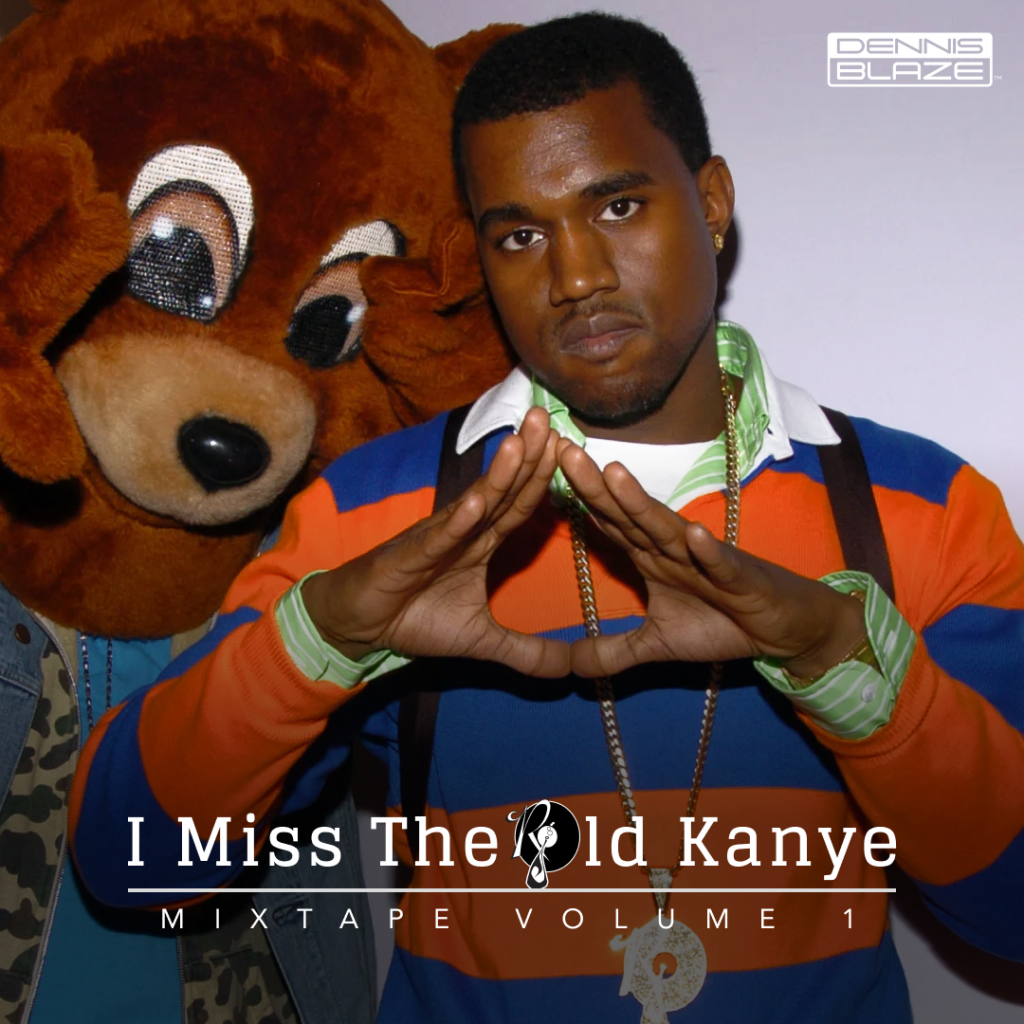
Ten years after Kanye West premiered The Life of Pablo at Madison Square Garden, the 44-second acapella interlude tucked onto that record has mutated from a playful wink into an agonizing cultural epitaph. As music outlets examine the ten-year mark of that chaotic release, highlighted in a recent retrospective Complex Report detailing the stories behind the album, the phrase "I miss the old Kanye" is dominating social feeds with newfound urgency. The line is no longer just a meme. It has become a rallying cry for an exhausted audience confronting festival cancellations, disjointed apologies, and the hollowed-out rollouts of his latest creative cycle.
Between uninspired stadium listening parties, sudden festival pullouts, and erratic updates surrounding his twelfth studio album, Bully, the collective patience sustaining his fan base has frayed. For two decades, listeners tolerated volatility in exchange for sonic brilliance. In 2026, that unspoken social contract has broken down. The longing for his earlier self is no longer an exercise in misty-eyed nostalgia; it is a direct indictment of where his career arrived.
📌 Key Takeaways:
- The Nostalgia Trigger: The ten-year milestone of The Life of Pablo has forced a critical re-evaluation of when his creative balance actually tipped.
- Creative Atrophy: A widespread Vultures era comparison shows listeners growing weary of half-finished concepts, heavy reliance on shock value, and uninspired writing.
- The Fan Reckoning: Erratic festival cancellations and fractured album rollouts for Bully have driven Kanye West fan sentiment from passionate defense into quiet indifference.
The Pablo Turning Point and the Prophetic "I Love Kanye" Acapella
When the I Love Kanye acapella arrived in February 2016, it was treated as a self-aware joke. West poked fun at critics longing for the "chop up the soul" producer from Chicago who wore pink polos and carried a backpack. At the time, audiences could afford to laugh. The Life of Pablo was messy, but it contained breathtaking peaks like "Ultralight Beam" and "No More Parties in LA." His creative risks still yielded astonishing musical dividends.
A decade later, The Life of Pablo anniversary serves as an uncomfortable mirror. The self-awareness displayed on that track turned out to be an apex rather than an ongoing trait. What felt like an artist playfully engaging with public critique in 2016 reads today like the last time he held an objective view of his own descent. As his inner circle shrank and collaborators dispersed, the checks and balances that once refined his impulses vanished entirely.
From Soul Samples to Sonic Exhaustion: Tracing the Creative Decline
The musical contrast between West’s initial run and his current output explains why public frustration keeps spiking. The College Dropout era and the lush arrangements driving Late Registration nostalgia relied on rigorous musicianship. Jon Brion’s sweeping orchestration, meticulous live instrumentation, and surgical vocal sampling set a benchmark that reshaped hip-hop radio. Even as he reached Graduation stadium status, every synthesizer sweep served an emotional arc.
By contrast, the Vultures era and the chaotic public previews of his Bully twelfth studio album highlight an artist operating without his historic discipline. Songs arrive on streaming platforms with mix issues, missing verses, and mumbled guide vocals that are patched weeks after public release. Fans who defended his erratic behavior during the Yeezus cycle because the music remained undeniably boundary-pushing now find themselves listening to tracks that feel abandoned before completion.
| Era & Timeframe | Production Architecture | Collaborative Ecosystem | Audience Sentiment |
|---|---|---|---|
| The Classic Run(2004, 2010) | Chop up the soul production, warm analog sampling, classical string arrangements. | Heavyweights pushing back: Jon Brion, Mike Dean, Rick Rubin, A-list writers. | Widespread critical acclaim; defining the sound of mainstream hip-hop. |
| The Transition Peak(2013, 2018) | Industrial distortion, minimalist trap, gospel choir interpolations, live patches. | Broad writers' camps; high friction; chaotic last-minute deadline management. | Polarizing, high-friction fascination; listeners accept chaos for sonic ambition. |
| The Unchecked Era(2024, 2026) | Stripped, unmastered beats, unfinished mumble takes, reliance on digital shock value. | Fractured circles; key veterans absent; minimal external editorial control. | Deep fan disillusionment; cancellation fatigue; nostalgia for baseline craft. |
The Evaporation of the G.O.O.D. Music Brain Trust
One cannot diagnose West's current artistic rut without examining the collapse of his creative guardrails. The G.O.O.D. Music legacy was never solely about West's solo instincts; it was an incubator powered by ruthless peer review. Veteran engineers like Mike Dean provided harmonic glue, while label heads like Pusha T enforced sharp lyricism. During the Hawaii sessions for My Beautiful Dark Twisted Fantasy, verses were regularly scrapped if someone else entered the room with a sharper four bars.
That infrastructure has completely dissolved. In 2026, the people who once challenged his worst musical impulses are absent. The resulting releases feel like solitary stream-of-consciousness sketches rather than refined cultural statements. Ye artistic evolution once signaled a bold leap forward into uncharted territory, from 808s & Heartbreak autotune despair to raw Yeezus minimalism. Today, the changes resemble defensive retreat, swapping boundary-pushing arrangements for hurried loops designed to stir up short-lived controversy on social feeds.
Stadium No-Shows, Canceled Headliners, and the Breaking of Fan Loyalty
The cultural exhaustion surrounding West is not just about musical fidelity; it is financial and practical. Across 2024 and 2025, ticket buyers shelled out between $150 and $450 for listening experiences that frequently started two hours late, featured no active microphone performances, or were canceled hours before doors opened. European and Asian tour dates were quietly scrubbed from schedules, leaving local promoters and travelers holding non-refundable reservations.
These persistent logistical failures broke the resolve of his most loyal supporters. Online fan forums, once known for defending his every provocation, are now dominated by frustration. When an artist repeatedly shows disregard for the live experience, the goodwill carrying them through controversies evaporates. Fans are no longer willing to separate the art from the artist when the art itself feels like a secondary priority to public posturing.
The Structural Shift in Hip-Hop Cultural Discourse
Within broader hip-hop cultural discourse, West's position has fundamentally shifted. For over fifteen years, he set the aesthetic agenda for American youth culture. High fashion copied his silhouettes; emerging rappers replicated his sonic blueprints; streaming platforms built entire rollout strategies around his unannounced drops. Today, the genre moves independently of his orbit. Younger audiences influenced by decentralized online scenes view his controversies as tired rather than transgressive.
When the phrase "I miss the old Kanye" surfaces today, it expresses a longing for an era when hip-hop's biggest star was obsessed with out-producing his rivals. Listeners miss the hunger that drove him to craft five classics in a row, the precision that spent hundreds of hours perfecting the drum pattern on "Stronger," and the vulnerability that defined "Through the Wire." The modern spectacle offers headlines, apologies, and defensive interviews, but the musical magic that justified the circus has grown perilously thin.
Frequently Asked Questions (FAQ)
Q1: Why is the phrase "I miss the old Kanye" trending so heavily in 2026?
The phrase has surged back into the public conversation due to the ten-year anniversary of The Life of Pablo, coupled with mounting fan fatigue over canceled festival appearances, mixed-quality releases during the Vultures era, and skepticism surrounding his upcoming project, Bully.
Q2: What is the primary difference between early Kanye albums and his recent work?
Early records (2004, 2010) featured dense, collaborative production, rigorous vocal arrangements, live instrumentation, and months of obsessive mixing overseen by veterans like Mike Dean. Recent output relies heavily on unpolished digital sketches, mumbled reference tracks, and post-release patching on streaming services.
Q3: How have recent live events impacted Kanye West fan sentiment?
Repeated delays, unannounced cancellations, and the practice of hosting high-priced "listening experiences" without live mic performances have alienated his core audience, transforming staunch defenders into disillusioned critics who no longer purchase tickets or merchandise automatically.
The Cultural Ledger of Ye's Enduring Legacy
The tragedy of modern Kanye West is that his early catalog remains untouchable. Spin The College Dropout today and its warmth, sharp observational humor, and innovative soul chops sound as vital as they did two decades ago. Those early works altered the DNA of contemporary music, opening doors for artists who did not fit traditional street archetypes and proving that high art could seamlessly fuse with mainstream rap.
Yet an artist cannot subsist entirely on past achievements while presenting unfinished sketches as full projects. The resurgence of "I miss the old Kanye" in 2026 is an admission that the audience has finally stopped waiting for another masterpiece. Listeners have accepted that the perfectionist who built those monumental stadiums is gone, leaving behind an echo that reminds everyone of what hip-hop lost along the way.


