Why Millions Obsess Over Snapchat Streaks: The Surprising Psychology Behind the Fire Emoji
Why Millions Obsess Over Snapchat Streaks: The Surprising Psychology Behind the Fire Emoji
Every morning across the globe, millions of phone screens light up with rapid-fire photos of bedroom ceilings, bathroom tiles, and breakfast counters. These images rarely carry aesthetic value or meaningful captions. Instead, they serve a singular, urgent purpose: feeding a visual counter that ticks down relentlessly inside Snapchat. The small fire emoji parked beside a friend's name represents a Snapstreak, one of the most sticky behavioural retention mechanisms ever coded into social software. For casual observers, the phenomenon looks absurd. For the users locked into thousands of consecutive days, letting that counter drop feels like an emotional betrayal.
The mechanics appear deceptively simple on the surface, yet they have altered how a generation handles social commitment and habits. In March 2026, fresh discussions around the platform's enduring mechanics resurfaced after a vocal.media report documented users crossing the 3,600-day threshold, maintaining uninterrupted visual contact every single day since Snap Inc. launched the feature in 2015. To understand why people maintain these exchanges through sickness, international travel, and breakups, one must examine the intersection of product design, psychological debt, and platform incentives.
📌 Quick Summary:
- Core Purpose: Snapstreaks function as a deliberate gamification of friendship designed to convert voluntary texting into an involuntary daily communication habit.
- The Incentive Engine: Mutual maintenance requires a strict 24-hour photo exchange window, rewarding compliance with Snapchat friend emojis and a compounding Snap Score boost.
- The Monetization Shift: Platform updates introduced a paid streak restore feature, turning social anxiety into recurring microtransaction revenue for Snap Inc.
How the Mechanics Function Under Strict Snapstreak Rules
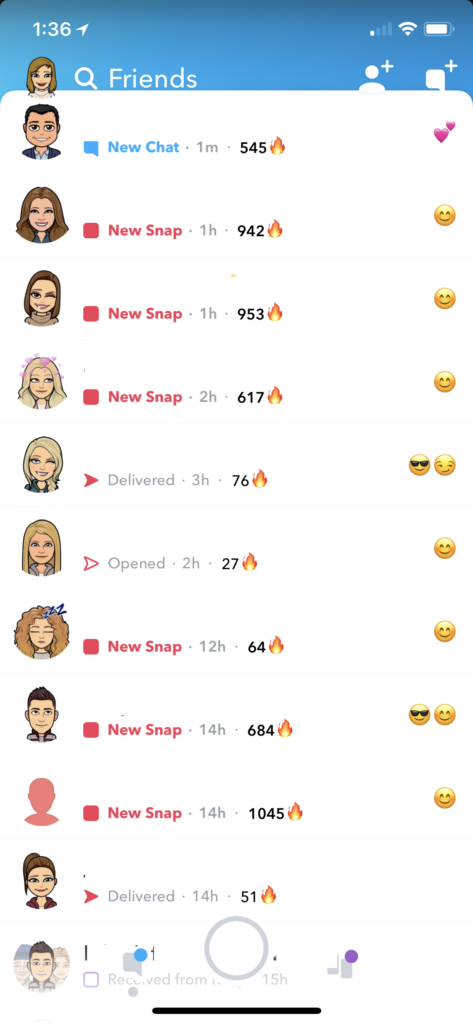
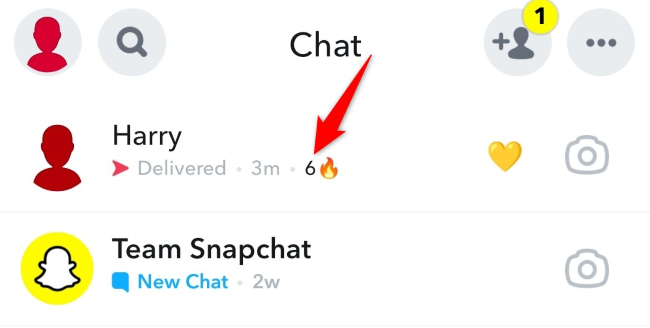
A Snapstreak begins when two users exchange photo and video snaps back and forth for 3 consecutive days. Once reached, a flame icon appears alongside a numeral indicating the streak's current tally. The system operates on an uncompromising 24-hour photo exchange window. Both participants must send an individual snap within that rolling timeframe to keep the counter advancing.
The rules enforce strict criteria regarding what constitutes an authentic interaction:
- Traditional text chats sent inside the messaging window do not count.
- Media shared from a user's camera roll or memories album is completely ignored by the counter.
- Content pushed into group stories, private stories, or Spectacles hardware fails to register.
- Snaps blasted to group chats do not advance individual streaks; the media must travel as a direct, one-on-one message.
When the window narrows to its final hours, the app swaps the flame for an ominous hourglass timer icon. This graphic warning signals that the streak will extinguish unless a return photo arrives immediately. The mechanical pressure creates rapid, reactionary opens, driving daily active user numbers upward while cementing the app into the physical routine of waking up and going to sleep.
The Cognitive Pull: Loss Aversion and Friendship Gamification
Why do intelligent adults panic when an app icon threatens to disappear? The answer lies in behavioural economics, specifically the concept of loss aversion. Pioneered by psychologists Daniel Kahneman and Amos Tversky, loss aversion demonstrates that the psychological pain of losing something is roughly twice as intense as the joy of gaining it. When two friends invest 500 days or 2,000 days into an unbroken chain, that number ceases to be software data. It turns into an archive of shared persistence.
Back in 2017, a widely circulated essay in WIRED titled "My Best Friend Dropped Our Snapchat Streak. Should I Be Mad?" gave mainstream voice to the quiet panic teen circles were already experiencing. Dropping a streak felt like an explicit signal that the friendship no longer warranted 10 seconds of daily attention. Later, in January 2024, The Guardian documented a personal account of two friends separated across global borders whose 2,450-day streak carried them through heartbreak, career crises, and isolation. The streak had evolved from an ephemeral toy into an emotional tether.
Snapchat friend emojis reinforce this social structure. Alongside the fire icon, users encounter golden hearts, pink double hearts, and smiling faces indicating mutual best friends. By visually ranking relationships, the platform manufactures subtle peer dynamics. Maintaining the counter provides an immediate dopamine hit accompanied by an ongoing Snap Score boost, a numerical tally displayed on profiles that measures overall platform activity. The gamification mechanics strip away the vulnerability of initiating conversation; sending a black screen with the letter "S" fulfills the structural obligation without demanding conversational effort.
From Mutual Ritual to Monetization: The Evolution of App Incentives
What started as a clever retention hook eventually transformed into a direct revenue vertical for Snap Inc. For years, losing a high-number streak due to server outages or lost phones meant filing a desperate ticket with Snapchat support, hoping an engineer would manually reinstate the counter. By 2023, Snap changed the landscape by rolling out the in-app streak restore feature.
| Evolutionary Phase | Operational Model | User Friction & Platform Mechanics |
|---|---|---|
| Pioneer Era (2015, 2018) | Pure gamification loop | Zero monetization; manual appeals to support desks; intense peer pressure to avoid dropping tallies. |
| Saturation Era (2019, 2022) | Habitual ecosystem lock-in | High daily active engagement; streaks linked directly to status and account Snap Score growth. |
| Commercial Era (2023, 2026) | Microtransaction recovery | First recovery free, subsequent restores priced at $0.99 each or bundled into Snapchat+ premium subscriptions. |
The financial impact of this shift is notable. Rather than letting broken chains end organically, users are prompted to pay $0.99 to instantly recover an extinguished counter, while Snapchat+ subscribers receive built-in streak freezes. What began as a pure celebration of personal stamina became a reliable transaction funnel, converting digital separation anxiety into balance-sheet returns.
Tracking the Ceiling: The Race for the Longest Snapchat Streak
Because the feature went live in early 2015, the absolute mathematical ceiling for any streak sits just above the 3,650-day mark. Several dedicated duos have maintained unbroken exchanges since the first day the algorithm began tracking them. Tracking communities on Reddit and social forums routinely verify accounts that have crossed 3,400 to 3,600 consecutive days.
Reaching these records requires bizarre logistical measures. In verified forum threads and viral accounts, power users describe handing their personal Snapchat account credentials to siblings or trusted roommates while boarding international flights without Wi-Fi, entering summer boot camps, or undergoing hospital operations. The maintenance ceased being about visual communication long ago; it operates as an ongoing endurance challenge where letting the chain slip equates to forfeiting a decade of mechanical discipline.
Who Benefits From Streaks Versus Who Should Step Away
Navigating these mechanisms requires recognizing whether the daily ping enhances your life or consumes emotional bandwidth. The distinction comes down to intent.
Ideal Use Cases:
- Long-distance companions: For friends separated by time zones or continents, sending genuine, context-rich photos anchors the relationship without requiring hour-long phone calls.
- Accountability partnerships: Using the 24-hour visual prompt to confirm daily workouts, study habits, or mutual creative goals transforms the mechanic into functional accountability.
Clear Warning Signs:
- Performative blank messaging: If your communication consists solely of sending black screens, blurry ceiling corners, or the letter "S" to maintain an empty number, the connection is purely procedural.
- Maintenance-induced anxiety: Panicking over bad Wi-Fi or picking fights with loved ones over a missed hourglass icon indicates that the gamified mechanic has superseded real-world priorities.
Frequently Asked Questions (FAQ)
Q1: Do ordinary text messages or pictures sent from the camera roll keep a streak alive?
A1: No. Only real-time photo and video snaps captured via the in-app camera and sent directly to an individual recipient will keep the counter running. Text chats, group snaps, and uploaded memories are completely excluded.
Q2: How much time does the hourglass timer give you before the streak dies?
A2: While Snap Inc. does not display an exact minute countdown, community tests show the hourglass icon appears roughly 4 to 7 hours before the 24-hour window expires, signaling that both parties must exchange snaps immediately.
Q3: Can an accidentally broken streak be recovered without paying?
A3: Snapchat grants users one free streak restore within the app interface. Subsequent restores require an in-app purchase of $0.99 per streak, or an active Snapchat+ subscription providing monthly streak freezes.
The Future of Digital Social Contracts
Snapchat streaks pulled off an unprecedented design feat: they gave an intangible human relationship a visible, fragile metric. By linking friendship to daily platform engagement, the app transformed casual socializing into an ongoing series of minor deadlines. As platforms continue looking for ways to capture human attention, the persistence of that little fire emoji proves that nothing motivates human behaviour quite like the terror of breaking an unbroken chain.


