Why the Internet Can't Stop Talking About Severus Snape's HBO Redesign and SNL's Viral Roast

When Warner Bros. Discovery unveiled the visual overhaul for its upcoming HBO Harry Potter series, the online response was immediate, combative, and intensely polarized. Decades of ingrained cinematic memory tied to the late Alan Rickman collided with a brand-new creative direction for the iconic Hogwarts Potions Master, sparking fiery arguments across social platforms. The tension exploded into mainstream pop culture when Saturday Night Live debuted a scathing sketch lampooning the entire dynamic, as highlighted in The Mary Sue Report, exposing how modern audiences evaluate character friction and institutional power inside Hogwarts.
📌 Key Takeaways:
- The Spark: Studio stills and September 2026 trailer teasers unveiled a younger, book-accurate aesthetic for Severus Snape, triggering immediate comparisons to Alan Rickman's legacy.
- The Satire: Saturday Night Live parodied the franchise with "The Proud Boy Who Lived," highlighting modern social absurdities in Harry's classroom hostility toward Snape.
- The Big Picture: Warner Bros. Discovery is overhauling the entire adult ensemble, including Albus Dumbledore and Professor Quirrell, to differentiate a multi-season prestige television project from the theatrical films.
The Casting Reveal That Shook Wizarding World Fandom
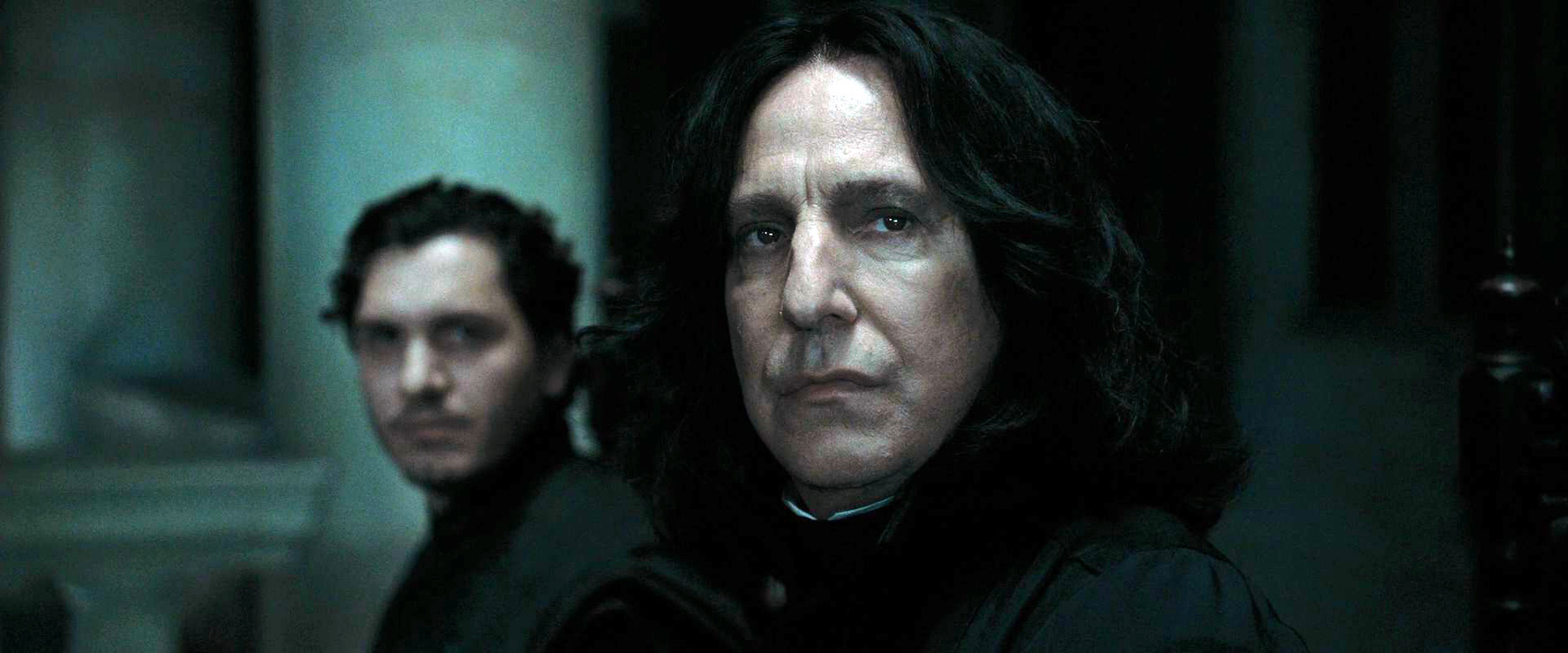
Alan Rickman did not merely portray Severus Snape; he defined him. His measured, baritone cadence and theatrical cape billows anchored eight feature films between 2001 and 2011. When the HBO series revealed its new Severus Snape casting, visual dissonance was unavoidable. The reboot deliberately cast an actor closer to the character’s actual canonical age: roughly thirty-one years old when Harry first walks into the potions dungeon.
The first look photos shocked casual viewers who forgot J.K. Rowling’s original timeline. Rickman was in his mid-fifties during the filming of Harry Potter and the Sorcerer's Stone. The 2026 redesign strips away the grandfatherly, gothic elder presence. Instead, viewers meet an embittered, gaunt millennial carrying raw trauma from the First Wizarding War. The aesthetic shift triggered instant backlash on Reddit and X, where thousands lamented the loss of Rickman’s regal silhouette.
Television requires different pacing. A decade-long episodic run must show character degeneration and moral ambiguity in real time. Casting younger forces viewers to confront an uncomfortable reality: Snape was an emotionally stunted young adult weaponized by older wizards on both sides of a civil war.
Saturday Night Live Targets the Reboot: Inside 'The Proud Boy Who Lived'
Pop culture satire wastes no time puncturing self-important franchise reboots. On April 5, 2026, Saturday Night Live aired an audacious parody targeting HBO's production choices. Titled "The Proud Boy Who Lived," the sketch quickly amassed tens of millions of views across digital channels.
The parody turned the traditional classroom dynamic upside down. In the sketch, Snape calls out Harry Potter as entitled and reactionary, explicitly calling him "racist as hell" for his knee-jerk disdain toward Slytherin house and working-class wizards. Rather than playing Snape as a cartoon villain picking on a helpless orphan, the sketch framed the Boy Who Lived as an untouchable, prep-school celebrity weaponizing his fame against a beleaguered instructor.
The Mary Sue published an extensive critique unpacking the sketch's cultural bite. The parody hit a nerve because modern storytelling norms have evolved significantly since the early 2000s. Contemporary viewers look at an authoritarian school where privileged athletes get away with rule-breaking while an impoverished teacher is universally vilified, and they see structural toxicity. SNL simply dragged that realization into broad daylight.
A Tale of Two Adaptations: Film Legacy Meets Television Realism
Warner Bros. Discovery faces a tricky commercial balancing act. The studio cannot duplicate what worked twenty-five years ago, yet straying too far risks alienating paying subscribers. The technical and structural shifts between the original film series and the 2026 HBO production illustrate why this redesign sparked such fierce debate.
| Production Element | Warner Bros. Films (2001, 2011) | HBO Television Series (2026, Present) |
|---|---|---|
| Snape's Canonical Age | Aged up (Mid-50s to 60s) | Book accurate (Early 30s) |
| Visual Tone | Gothic melodrama, tailored cloaks | Gritty realism, practical period wear |
| Format Pacing | 130, 160 minutes per book | 8, 10 hours per book season |
| Character Treatment | Enigmatic antagonist with heroic twist | Psychologically volatile, morally gray antihero |
The numbers explain the creative mandate. HBO plans to spend roughly $15 million to $20 million per episode over a decade. At that price tag, you cannot deliver an Alan Rickman impression. The reboot must establish its own internal logic, even if it jars fans who grew up watching the original films on repeat.
Beyond Snape: Dumbledore, Quirrell, and the Faculty Overhaul
The buzz expanded further on September 2, 2026, when production stills and promotional footage leaked via entertainment outlets. The reveals gave fans their first official look at Professor Quirrell, an updated Albus Dumbledore, and the central student trio.
The Quirrell redesign marks a radical break from the stammering, purple-turbaned caricature played by Ian Hart in 2001. HBO’s Quirrell looks nervous, disheveled, and deeply unwell. The visual cues emphasize the psychological strain of housing Voldemort's parasitic soul beneath heavy layers of travel-worn cloth.
Meanwhile, the Albus Dumbledore recast presents a more manipulative, cerebral Headmaster. Unlike Richard Harris’s gentle grandfather figure or Michael Gambon’s fiery headmaster, the new iteration appears calculated, emphasizing Dumbledore's role as a cold political strategist who operates several moves ahead of everyone else. Snape's redesign fits neatly into this bleaker, more textured ecosystem.
Deconstructing Fandom Resistance in the Streaming Era
Why did Snape's new look provoke such immediate anger? The reaction highlights how modern fandom treats childhood touchstones. For millions of viewers, Rickman's Snape is not just a performance, it is a cornerstone of millennial nostalgia.
Every major franchise recast faces this hurdle. Daniel Craig endured vicious attacks before Casino Royale hit theaters in 2006. Heath Ledger faced open mockery when cast as the Joker in 2007. Audiences resist change until a compelling performance proves the skeptics wrong.
HBO’s real challenge is tone. The original Harry Potter films began as whimsical children's cinema before maturing into darker teenage thrillers. The reboot starts dark from frame one. By emphasizing Snape’s youth, bitterness, and complex motivations right out of the gate, the showrunners demand that viewers look at the Wizarding World through an adult lens.
Frequently Asked Questions (FAQ)
Q1: Why is Severus Snape much younger in the HBO series than in the original films?
A1: In the original books, Snape was roughly thirty-one years old when Harry started at Hogwarts. Alan Rickman was fifty-four when cast in 2000. HBO chose an age-accurate actor to capture the tragic reality of someone who died at thirty-eight.
Q2: What was the main joke behind SNL's 'The Proud Boy Who Lived' sketch?
A2: The April 2026 parody flipped the hero-villain dynamic, portraying Harry as a privileged, arrogant celebrity student and Snape as an underpaid instructor calling out classroom entitlement and prejudice.
Q3: When does the new HBO Harry Potter series premiere?
A3: Warner Bros. Discovery has slated the first season, adapting The Sorcerer's Stone, for release in late 2026, backing the multi-season project with an extensive decade-long production plan.
Navigating Warner Bros. Discovery's Boldest Gambit
Rebooting an intellectual property worth tens of billions of dollars is an immense creative gamble. The instant furor surrounding Snape proves that Harry Potter remains culturally potent, even when audiences are skeptical of corporate motivations. Controversy keeps the show at the center of cultural conversation.
When the first season streams, the online debates sparked by SNL sketches and costume photos will fade behind a simpler test: does the storytelling work? If the new Potions Master delivers an intense, emotionally honest portrayal of grief and moral failure, fans will embrace him. The path back to Hogwarts is fraught with scrutiny, but Warner Bros. Discovery has clearly decided that bold creative reinvention is far better than timid imitation.


