Why You Received an 'OTP' Text: The Hidden Meaning Between Fandom Romance and Security Scams
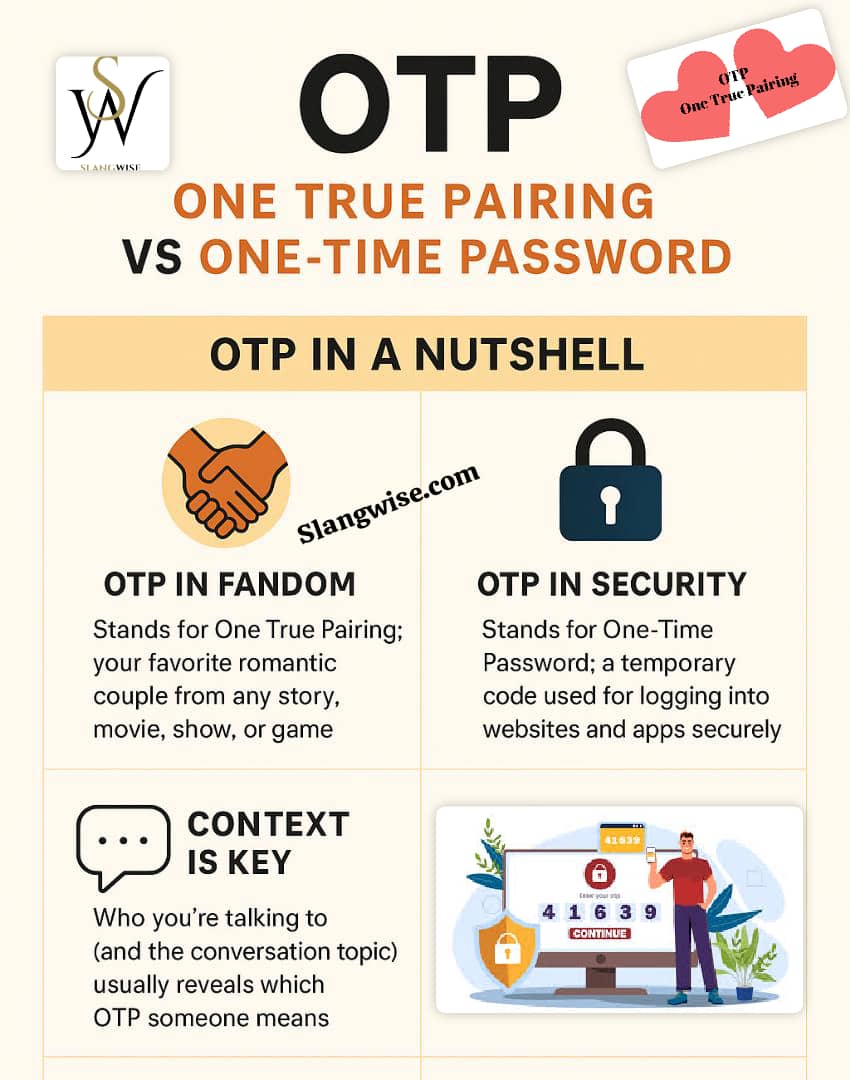
Your screen lights up with three capital letters: OTP. In one window, a friend messages that two TV characters are their ultimate "OTP." In another thread, an automated six-digit SMS verification code arrives unprompted from a financial institution. Depending on the conversation, the acronym swings wildly between fandom shipper culture and a vital defense against account takeover fraud. While pop culture enthusiasts treat the term as shorthand for romantic soulmates, cybersecurity teams view it as a vulnerable security checkpoint under siege.
The confusion carries high stakes. Misreading the letters in a casual group chat might invite teasing, but misunderstanding an unexpected security code delivered to your phone number can precede drained checking accounts and compromised digital identities. Recent telecommunications and banking shifts underline this friction; major institutions are already preparing to phase out these manual numeric codes entirely. According to an ET Telecom report, tier-one banks and wireless carriers are actively working to chuck legacy authentication codes in favor of direct network-level handshakes. Deciding how to respond when those letters appear on your lock screen requires identifying the context immediately.
📌 Key Takeaways:
- The Core Meaning: In personal messages, the abbreviation stands for One True Pairing (fandom romance) or On The Phone; in automated system alerts, it signals a One-Time Password used for two-factor authentication.
- The Urgent Threat: An unsolicited security code indicates that an unauthorized party has already entered your correct primary username and password on a target service.
- The Safe Response: Never forward, read aloud, or paste a numeric verification passcode into any portal you did not initiate yourself within the past 120 seconds.
Deciphering the Three Faces of OTP in Daily Messaging
Context dictatates everything when untangling texting abbreviations. When someone texts, "Can't talk, otp right now," the term simply means on the phone. It serves as a brief heads-up that someone is tied up on a voice call. This utility usage dominated early SMS history during strict character limits, though it survives today in quick peer-to-peer check-ins.
Move over to online fan communities on platforms like Discord, TikTok, or Tumblr, and the abbreviation takes on emotional resonance. Here, it denotes One True Pairing. Emerging from 1990s internet forums and anime fan spaces, the term describes a fictional couple that an enthusiast believes belongs together unconditionally. Fandom shipper culture uses the tag to celebrate romantic synergy between fictional personalities, celebrities, or literary characters. A fan proclaiming two leads as their absolute favorite couple will describe them as their definitive pairing, sometimes contrasting them with a "NOTP", a match they actively dislike.
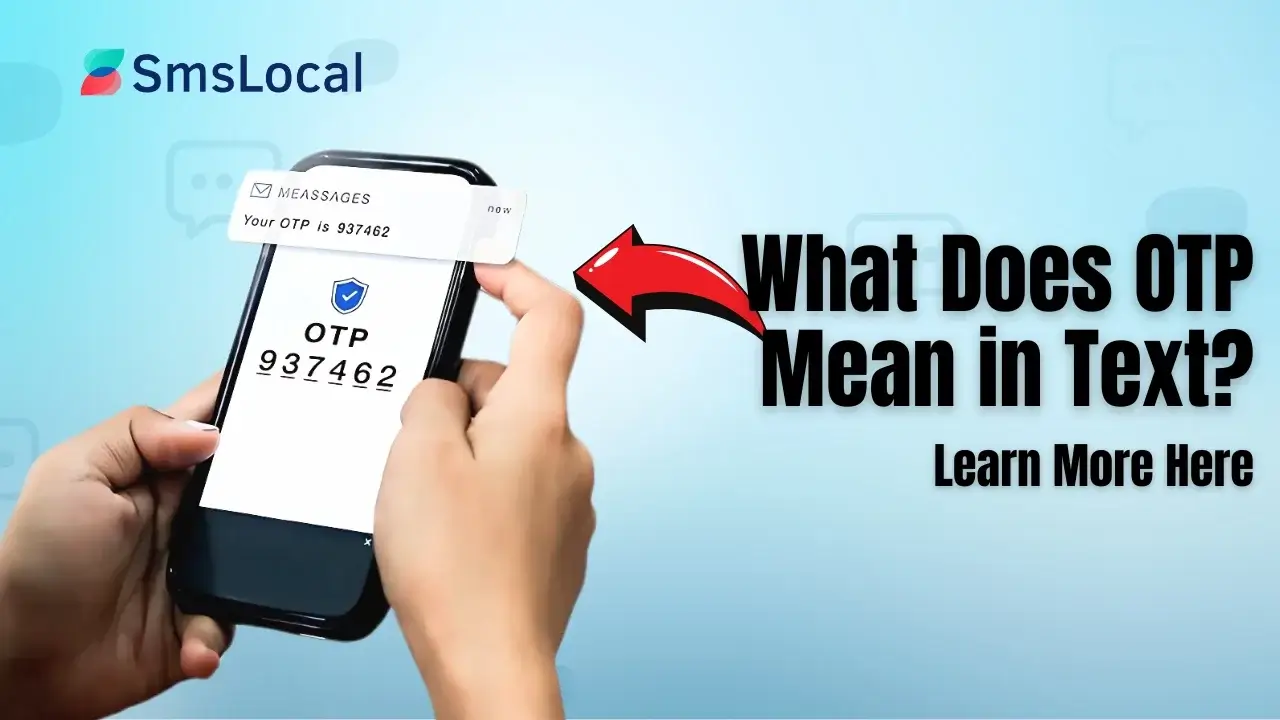
The third definition operates in digital identity verification. If the message originates from an automated five- or six-digit shortcode containing numbers, spaces, or an expiration window, it represents a one-time password. This numeric sequence functions as a single-use key within two-factor authentication workflows, granting access to an account for a brief window, typically between 60 seconds and 10 minutes, before self-terminating.
The Mechanics of One-Time Passwords in Digital Security
Static passwords fail because humans reuse credentials across dozens of portals. When a database leaks online, attackers harvest those credentials to crack accounts across other websites. A dynamic banking authentication text disrupts that pattern. Even if an identity thief purchases your leaked email and master password from a dark web forum, they hit a barrier at the secondary verification prompt.
The system generates a pseudorandom cryptographic string, logs a timestamp, and transmits the string through the cellular network to your registered hardware. When you type those digits into the login portal, the authentication server confirms that the device receiving the code matches the user attempting access. The code dies immediately upon entry or when the timer expires. For more than fifteen years, this simple extra step eliminated up to 96% of automated bulk phishing attacks directed at consumer platforms.
Yet delivery over consumer telecommunications carries architectural vulnerabilities. Short Message Service protocols were engineered in the 1980s without end-to-end encryption. Because carriers exchange SMS packets through outdated Signaling System No. 7 (SS7) network protocols, determined criminal outfits can intercept transmissions, deploy SIM swap attacks at carrier retail stores, or deploy reverse-proxy kits that mirror verification screens in real time.
Comparing Interpretations: Language Context, Risk Levels, and Action Steps
To distinguish between casual slang and high-security alerts, examine sender identity, message syntax, and operational exposure across common scenarios.
| Context & Sender | Intended Meaning | Security Threat Level | Required Reader Action |
|---|---|---|---|
| Incoming text from a personal friend or family member | On The Phone (Status indicator) | Zero risk | Wait for them to conclude the voice call before following up. |
| Social commentary on TV, films, or literary novels | One True Pairing (Relationship preference) | Zero risk | Engage with media discussion or dismiss. |
| Automated shortcode immediately after your own login | One-Time Password (Expected verification) | Standard baseline | Enter the code directly into the active browser window. |
| Automated shortcode arriving while you are not logging in | Unsolicited Security Code (Attack warning) | Severe: Credential leak underway | Never share it; navigate to service directly and change primary password. |
| Caller or buyer requesting a code you just received | Phishing Scam / Account Hijack | Critical: Imminent identity theft | Block contact; disconnect call immediately; audit linked services. |
Why Criminals Want Your Unsolicited Security Code
Receiving an unexpected numeric code while making dinner is not a harmless glitch. It means someone, somewhere, successfully submitted your username and password combination on a platform you use. The secondary security wall stopped them, and the system pinged your handset to complete entry.
What happens next determines whether your account stays safe. Fraud rings rely on social engineering to retrieve that code. The primary tactics follow predictable pathways:
- The Impersonation Call: An operative rings your phone posing as your bank's fraud division. They claim suspicious activity has struck your account. To "cancel" the unauthorized transaction, they ask you to read back the six-digit number just sent to your screen. The moment you state the code, they log in and initiate a fund transfer.
- The Marketplace Verification Trap: You post furniture on an online marketplace. A prospective buyer asks to send you a "Google Voice verification code" to prove you are a genuine human seller. In reality, they are using your phone number to set up an anonymous VOIP account, which they will then weaponize to scam other victims under your identity.
- The Compromised Friend Direct Message: A hacked social media contact messages you on Instagram claiming they are locked out of their profile. They ask if they can route their recovery code through your phone number. The incoming prompt is actually the recovery string for your own profile. Giving it away surrenders your account.
Every genuine verification SMS includes text explicitly stating that employees will never ask for the code. Financial institutions, government agencies, and internet platforms do not need you to read your verification string back to them; their administrative software already holds privileged backend access.
The Industry Move Toward Silent Authentication
Due to rampant social engineering and interception, the telecommunications and fintech sectors are moving away from manual shortcodes. Entering six numbers sent across standard SMS channels has become a weak link in online security.
Financial infrastructure is migrating toward silent authentication, also classified under Number Verify and SIM-based cryptographic token standards. Rather than transmitting a plain numeric string across cellular towers for a consumer to read and type manually, the target application communicates directly with the wireless carrier's gateway. The carrier validates that the requesting SIM card, mobile network data connection, and device hardware match the registered account details in the background. The user never sees, handles, or types a verification string.
This automated handshake eliminates social engineering risks. An attacker on the telephone cannot trick a target into reading back a code if no code exists. Hardware security keys (like YubiKeys) and cryptographic passkeys anchored by biometric sensors on modern smartphones are taking over the rest of consumer authentication. While fandom references will persist across online communities indefinitely, the era of reading digits off SMS alerts is coming to a close.
Frequently Asked Questions (FAQ)
Q1: What should I do if I get a one-time password text I did not request?
Do not interact with the text, do not click embedded links, and never give the numbers to anyone who asks for them. Open an independent web browser, log into the specific platform directly, and change your account password immediately. An unsolicited code proves someone already knows your current login credentials.
Q2: Can an attacker hack my phone simply by sending an OTP text?
Receiving a standard automated shortcode does not compromise your phone. The security risk triggers only if you share the code with a third party, navigate to a spoofed link included inside the message, or download malicious files attached to a phishing SMS.
Q3: How can I tell if someone using "OTP" in a chat is talking about relationships or passwords?
Context clarifies the term. If the topic involves television series, books, anime, or celebrities, such as "They are my absolute OTP", it refers to romance (One True Pairing). If the message includes automated phrasing like "Your verification code is 492011; valid for 5 minutes," it refers to technical account authentication.
Protecting Your Accounts from Here
Slang terms will continue shifting across modern communication. Words take on different identities across fan forums, office chats, and security consoles. Understanding the difference between casual language and technical warnings keeps everyday digital life running smoothly.
When dealing with security notices, simple rules keep you safe. Treat any incoming passcode as confidential data, identical to an ATM PIN or house key. As wireless providers deploy background verification systems to phase out manual text prompts, the safest way forward is straightforward: never share login strings with unexpected contacts, switch to authenticator apps or hardware passkeys where supported, and immediately update credentials whenever an unprompted login alert reaches your lock screen.


