Surgery vs Therapy: Do Knee Replacement Videos Show a Cure or Extreme Fix?

Every month, millions of prospective patients search for an unvarnished knee replacement video from start to finish, seeking clarity before signing surgical consent forms. What they encounter on video platforms is intensely mechanical: power saws, oscillating blades, and orthopedic hammers seating hardware into prepared bone. As detailed in a recent Cleveland Clinic Report charting Mindy Struwas’s joint journey, the gap between imagining surgery and witnessing an orthopedic surgeon procedure is jarring.
At the same time, high-profile recoveries are shifting public perception. Olympic ski legend Lindsey Vonn generated international headlines in early 2026 after mounting an audacious athletic comeback powered by a surgical titanium knee implant. Yet, clinical skepticism surrounding intermediate interventions runs high; an extensive study highlighted by The Guardian confirmed that routine arthroscopic knee surgery for cartilage damage delivers negligible long-term benefit over structured exercise. Patients are left wondering whether going under the knife represents a permanent solution or an agonizing escalation.
📌 Key Takeaways:
- The Video Reality: Complete operative recordings showcase an aggressive carpentry process, involving bone resection and cutting guides rather than subtle tissue repair.
- Clinical Trial Evidence: Intermediate joint "clean-ups" show poor efficacy in landmark trials, pushing patients with end-stage arthritis directly toward total knee arthroplasty.
- Recovery Trajectories: Full function requires a grueling 12-month post-op physical therapy protocol, balancing robotic precision with active patient rehabilitation.
What Unfiltered Surgical Footage Actually Shows Patients
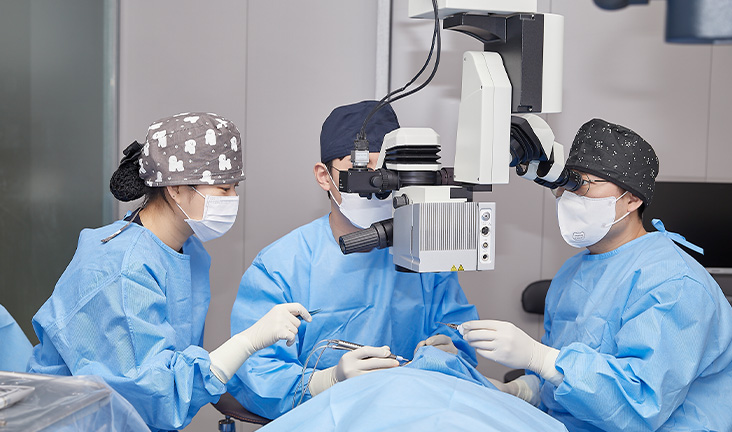
Raw operating room footage strips away medical abstraction. An authentic operating room walkthrough begins with a sterile blue field and an eight-to-ten-inch midline surgical incision process down the center of the patella. The surgeon dissects subcutaneous tissue, mobilizes the extensor mechanism, and displaces the kneecap laterally to expose the arthritic joint surfaces. There is very little blood; a pneumatic thigh tourniquet keeps the field dry while surgical suction clears irrigation fluids.
Viewers accustomed to minimally invasive laparoscopy are often stunned by the physical force required. The surgeon clears worn cartilage and attaches rigid metal cutting jigs directly to the distal femur and proximal tibia. Using high-frequency oscillating bone saws, the surgeon performs bone resection along precise planes calculated to restore the patient's native mechanical axis. The damaged articular surface is discarded entirely. In its place, trial components test tension across the collateral ligaments throughout a complete range of motion.
Watching this sequence reframes patient expectations. The operation is not a tune-up. It is a biological amputation of the joint surface paired with a permanent mechanical reconstruction.
Cartilage Restoration Versus Complete Joint Replacement
Patients often hunt for intermediate solutions to dodge major surgery. Cartilage restoration techniques, such as autologous chondrocyte implantation and osteochondral allografts, sound appealing because they preserve natural bone. However, their clinical utility is strictly limited to young individuals with focal, traumatic potholes in otherwise pristine joints.
When widespread osteoarthritis sets in, biological patches fail. A widely discussed clinical study covered by The Guardian underscored that routine debridement and arthroscopic surgeries for degenerate cartilage offer no statistical advantage over progressive physical therapy. Trimming frayed meniscus tears or smoothing irregular joint surfaces does not stop inflammatory joint decay. Once the joint space collapses into bone-on-bone friction, attempts to patch cartilage waste precious rehabilitation time. Total knee arthroplasty steps in precisely where biological healing terminates.
| Intervention Strategy | Surgical Scope & Invasiveness | Typical Longevity & Outcome |
|---|---|---|
| Arthroscopic Debridement | Minimally invasive portals; cartilage smoothing | Minimal long-term relief; 6, 18 months temporary ease |
| Biological Cartilage Repair | Chondrocyte grafting; limited to focal isolated defects | 5, 10 years; completely ineffective for diffuse arthritis |
| Total Knee Arthroplasty | Open bone resection; femoral/tibial metal resurfacing | 20, 25+ years implant survivorship; 85, 90% satisfaction |
Precision Engineering: Titanium Implants and Robotic Alignment
Modern knee arthroplasty has evolved far beyond the eye-measured procedures of the 1990s. Today, robotic-assisted surgery utilizes optical arrays and computerized stereotactic arms to guide bone cuts within fractions of a millimeter. Surgeons map the patient’s knee anatomy using preoperative CT scans or intraoperative digital registration pins. This precision protects soft tissue envelopes and balances the medial and lateral collateral ligaments dynamically.
Component anchoring relies on proven chemistry. Most procedures utilize surgical cement fixation, applying a polymethylmethacrylate (PMMA) compound that hardens in roughly ten minutes to bond the titanium and cobalt-chromium baseplates securely to prepared bone. Between the femoral runner and tibial tray sits an ultra-high-molecular-weight polyethylene spacer, serving as synthetic cartilage.
Prosthetic alignment dictates whether a replaced joint lasts twenty years or loosens prematurely. As demonstrated by Lindsey Vonn’s high-performance return reported by The Athletic in early 2026, an engineered knee can withstand extraordinary physiological loads if the mechanical kinematics, rotation, and soft-tissue tensions match the athlete's anatomical axis perfectly.

The Joint Mobility Recovery Timeline: From Day One to Month Twelve
Surgical footage ends with skin staples, but the patient experience is only starting. Modern rapid-recovery protocols bypass prolonged bed rest; physical therapists frequently have patients standing on their newly cemented joint within four hours of waking from anesthesia.
The recovery milestones unfold systematically:
- Weeks 1, 2 (The Acute Inflammatory Phase): Pain control, swelling management, and early quadriceps activation dominate. Patients use a walker and fight to achieve 90 degrees of flexion alongside 0 degrees of full extension.
- Weeks 3, 6 (Early Mechanical Independence): Most transition from walkers to canes. Outpatient physical therapy focuses on gait training, stationary cycling, and breaking down intra-articular scar tissue.
- Months 2, 3 (Functional Consolidation): Daily activities, climbing stairs, and driving resume. Residual tightness and sleep disruption from nocturnal ache remain common.
- Months 6, 12 (Full Tissue Remodeling): Deep bone remodeling completes. Soft tissue swelling dissipates, yielding maximum flexion (typically 115, 125 degrees) and long-term joint stability.
Rehabilitation Realities and Candidate Screening
A successful joint replacement requires an active partnership between surgeon and patient. Dedication to post-op physical therapy matters as much as the surgical execution itself. Patients who view surgery as a passive fix often develop arthrofibrosis, a buildup of dense scar tissue that freezes range of motion and occasionally requires hospital manipulation under anesthesia.
Clinical screening is crucial. Ideal candidates present with severe functional impairment, advanced radiographic joint damage (Kellgren-Lawrence grade 3 or 4), and exhaustion of non-operative treatments like targeted strength training, weight loss, and corticosteroid injections. Patients whose primary complaint is localized tendonitis, or those unprepared for months of rigorous daily rehabilitation, should steer clear of replacement surgery until conservative measures are fully exhausted.
Frequently Asked Questions (FAQ)
Q1: Why do knee replacement videos look so physically aggressive?
A1: Orthopedic surgery relies on mechanical carpentry to address structural joint failure. Surgeons must use specialized saws, impactors, and cutting guides to remove diseased bone and press-fit prosthetic components securely.
Q2: How painful is the recovery compared to what online videos suggest?
A2: The first two to three weeks involve significant post-surgical pain and swelling, managed with nerve blocks, cryotherapy, and multimodal medication. Discomfort steadily declines as therapeutic mobility increases.
Q3: How long do modern titanium knee implants actually last?
A3: Modern joint registry data indicates that over 82% to 90% of contemporary total knee replacements remain fully functional after 20 to 25 years without requiring revision surgery.
Navigating Joint Replacement Decisions in 2026
Watching complete surgical footage gives prospective patients an honest view of the operating theater, dispelling illusions of an effortless quick fix. Total knee arthroplasty is a significant surgical commitment. It trades chronic, unresolvable arthritis pain for an intense but predictable rehabilitation pathway.
For patients living with bone-on-bone degradation, real-world case evidence shows that this mechanical transformation can restore daily function and physical independence. Grounding your expectations in clinical evidence, robotic precision, and committed rehabilitation ensures you approach the operating room prepared for both the procedure and the recovery ahead.