Does Coconut Water Really Debloat You? The Shocking Truth Behind the Viral Hack
Social feeds across TikTok and Instagram routinely position coconut water as the ultimate post-meal rescue drink, claiming a quick carton can flatten a swollen stomach within an hour. Grocery aisles reflect that hype. As documented by The Kitchn Report in their comparative analysis of 10 commercial coconut water brands, consumer demand for pure, unadulterated coconut water has reached a fever pitch, driven largely by shoppers seeking functional digestive relief.
The biological reality inside the human digestive tract tells a far more complicated story. While coconut water offers legitimate physiological benefits for specific types of fluid buildup, drinking it indiscriminately can backfire spectacularly, transforming mild puffiness into painful, audible gastrointestinal distress. Understanding whether coconut water resolves or worsens bloating requires dissecting what caused your distended belly in the first place.
📌 Key Takeaways:
- The Sodium Antidote: A high potassium content makes pure coconut water exceptionally effective against fluid puffiness triggered by high-salt dining.
- The Gas Hazard: Coconut water contains fermentable oligosaccharides and naturally occurring polyols that frequently trigger severe gas and abdominal distension in sensitive guts.
- Dosage Dictates Outcome: Drinking 4 to 8 ounces alongside plain water optimizes fluid balance, whereas chugging an entire 16-ounce container often causes osmotic diarrhea and cramping.
How Potassium Counters Sodium-Induced Water Retention
Bloating is not a single medical condition. It presents in two primary forms: systemic water retention in extracellular tissue, and trapped gas expanding the intestinal walls. Coconut water excels at addressing the former.
When you consume a meal heavy in restaurant-grade sodium, your kidneys retain water to preserve serum osmolality. You feel heavy, swollen, and tight around the midsection. This is where the natural chemistry of young green coconuts becomes useful. An eight-ounce pour provides roughly 470 to 600 milligrams of potassium, substantially more than an average banana, alongside modest concentrations of magnesium, calcium, and bioavailable sodium.
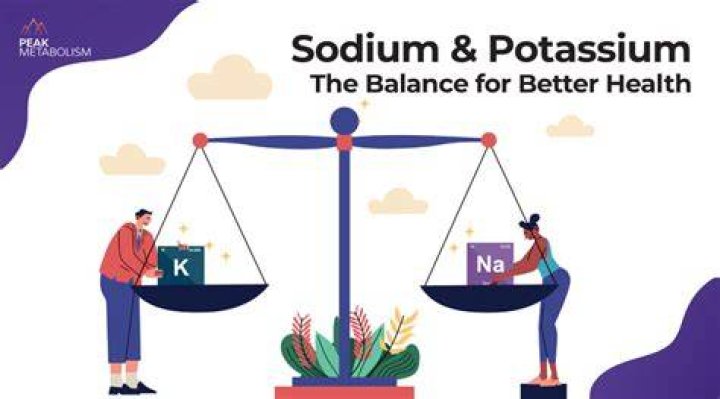
Potassium functions as an antagonist to sodium retention inside renal tubules. By stimulating the kidneys to release excess sodium through urination, coconut water exhibits mild diuretic properties without the harsh mineral depletion associated with synthetic diuretics. Restoring proper electrolyte balance encourages interstitial fluid to return to cellular circulation, visibly diminishing post-salty-meal puffiness within a few hours.
The Sugar Alcohol Dilemma: When Electrolytes Cause Gas
Despite its reputation among natural bloat remedies, coconut water frequently aggravates abdominal distension when gas is the culprit. The underlying problem stems from carbohydrate malabsorption inside the small intestine.
Coconut water is packed with free fructose and sorbitol. Sorbitol falls under the category of sugar alcohols in coconut water, which are notorious for resisting complete enzymatic breakdown in the upper gastrointestinal tract. Anyone with an underlying FODMAP sensitivity struggles to process these short-chain carbohydrates before they reach the colon.
Once inside the large intestine, resident bacteria rapidly ferment these residual sugars, producing high volumes of hydrogen and methane gas within 45 to 90 minutes. The physical consequence is intense visceral pressure, audible gurgling, and a drum-tight belly. If your post-dinner swelling stems from poor gut motility or carbohydrate malabsorption rather than a high-sodium takeout meal, introducing a pint of chilled coconut water acts as bacterial fuel, exacerbating abdominal discomfort.
Evaluating Popular Hydration Drinks for Digestive Comfort
Beverages designed for rehydration influence stomach comfort, transit speed, and water excretion through vastly different metabolic pathways. The following comparison illustrates how common options stack up against biological triggers of bloating.
| Beverage Type | Potassium per 8 oz | FODMAP Risk Level | Primary Digestive Mechanism |
|---|---|---|---|
| Pure Coconut Water | 470, 600 mg | Moderate to High | Flushes extracellular sodium; may ferment into intestinal gas. |
| Electrolyte Mineral Broth | 300, 450 mg | Low (allium-free) | Calms the gastric mucosa without supplying fermentable sugars. |
| Filtered Water with Lemon | 15, 30 mg | Very Low | Restores hydration status and promotes gentle gastric emptying. |
| Standard Sports Drink | 30, 75 mg | Low to Moderate | Elevates blood glucose; high refined sugars can slow down gastric emptying. |
Gut Motility and the Danger of Rapid Osmotic Shifts
The speed at which you drink coconut water matters just as much as its nutritional profile. Drinking large volumes quickly triggers what gastroenterologists identify as an osmotic gradient shift.
Coconut water is naturally hypertonic or high-isotonic depending on brand harvesting maturity. When an influx of concentrated mineral ions and simple sugars hits the jejunum, your body attempts to dilute the high solute concentration by pulling water out of bloodstream circulation directly into the intestinal lumen. The rapid fluid accumulation leads to painful distension, borborygmi (stomach rumbling), and sudden cramping.
Practitioners highlighted in clinical debloat surveys compiled by Vogue and Oprah Daily emphasize that gentle pacing dictates whether fluids relieve or aggravate sluggish intestines. Sustained gut motility requires steady hydration status, not a sudden flood of mineral salts that shocks the enteric nervous system into hyper-motility.
Who Benefits Most Versus Who Should Avoid It
Because digestive profiles diverge sharply, individual reactions to coconut water fall along distinct diagnostic lines.
Ideal Candidates:
Individuals recovering from intense physical exertion, hot yoga, or sodium-heavy meals benefit immediately. If your rings feel tight on your fingers or your face displays morning puffiness from sushi soy sauce, the mineral balance in an eight-ounce portion quickly restores equilibrium. Those suffering from sluggish bowels due to mild dehydration will also appreciate the gentle laxative effect produced by magnesium and fluid balance.
High-Risk Candidates:
Individuals diagnosed with Irritable Bowel Syndrome (IBS), Small Intestinal Bacterial Overgrowth (SIBO), or marked fructose malabsorption should exercise extreme caution. For these individuals, unpasteurized or carton coconut water introduces rapid fermentation substrates, expanding the intestines like a balloon. Chronic kidney disease patients must likewise steer clear due to potential hyperkalemia risks tied to high potassium concentration.
Frequently Asked Questions (FAQ)
Q1: What is the ideal serving size of coconut water to reduce bloating?
A1: Stick to 4 to 6 ounces (120 to 180 ml) per serving. Consuming an entire 16-ounce or 1-liter bottle floods the digestive tract with excess sorbitol and potassium, which commonly induces water retention inside the intestines, gas cramps, or loose stools.
Q2: Can drinking coconut water worsen menstrual bloating?
A2: It depends on the root cause. If menstrual puffiness stems from progesterone-driven fluid retention, small amounts of coconut water help flush excess sodium. If your cycle causes hormonal constipation and gas accumulation, the fermentable carbohydrates in coconut water can make your lower abdomen feel significantly more distended.
Q3: How do I tell if my bloating is fluid retention or trapped gas?
A3: Fluid retention causes systemic puffiness, sock marks on ankles, tight finger rings, and a uniformly swollen abdomen that feels soft to the touch. Gas bloating produces localized abdominal distension, a firm or drum-like stomach, visceral pain, and audible rumbling. Coconut water relieves fluid retention but frequently intensifies gas bloating.
Smart Fluid Choices for a Calmer Gut
Coconut water is neither a magical debloating potion nor an inherently toxic wellness fad. It is an electrolyte-rich plant water with precise biochemical mechanisms. When employed thoughtfully to balance an afternoon of salty processed food, its rich potassium profile operates as an effective natural counterweight to fluid stagnation.
Real-world digestive success depends on identifying the underlying issue before reaching for a carton. If your stomach is tight, rigid, and producing gas, prioritize warm ginger tea, boiled water with lemon, and gentle walking to support intestinal transit. Reserve coconut water for days when your body demands legitimate cellular rehydration and sodium balance, sipping modest portions alongside plain water to keep your stomach flat, calm, and pain-free.