New Health Warnings on Apple Cores: What Recent Food Studies Unveil
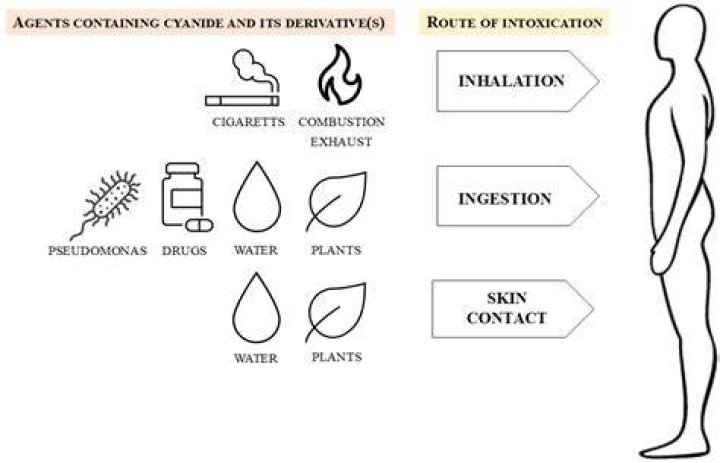
Advocates of zero-waste cooking spent years encouraging people to consume every scrap of their produce, from carrot tops to broccoli stalks. That culinary mindset recently collided with hard toxicology. Social media wellness channels and sustainability influencers have increasingly urged followers to eat whole apples, calyx, fibrous core, and seeds included, or drop them entire into high-powered blenders for morning smoothies. Food safety researchers are pushing back. As highlighted in a recent health.com Report, consuming apple seeds on a regular basis carries measurable biochemical liabilities that render zero-waste core eating a risky habit.
The hazard boils down to natural plant defense chemistry. Apple seeds house chemical compounds designed by natural selection to discourage herbivores from crushing them. When human teeth or blender blades rupture these protective shells, they trigger an immediate chemical reaction that liberates a lethal cellular poison inside the digestive tract.
📌 Quick Summary:
- The Hazard: Apple seeds contain amygdalin, a plant compound that degrades into toxic hydrogen cyanide when chewed, pulverized, or digested.
- Physical Mechanism: Intact seeds pass safely through the digestive tract, but crushing them unlocks enzymatic reactions that stress human detox pathways.
- Practical Reality: A single accidental seed will not harm a healthy adult, but deliberate routine ingestion of whole cores introduces unneeded toxicological risk.
The Chemistry of Amygdalin and Digestive Enzyme Breakdown
Apple seeds belong to a botanical family known for producing cyanogenic glycosides. The primary compound tucked inside the kernel is amygdalin, a molecule combining cyanide with sugar units. In an intact seed, amygdalin remains safely compartmentalized away from the enzymes that activate it.
Physical destruction alters that balance instantly. When you chew a seed or pulverize it in an appliance, amygdalin contacts beta-glucosidase, an enzyme present inside the seed tissue and in human intestinal microflora. This contact initiates digestive enzyme breakdown, shearing the sugar molecules off and releasing free hydrogen cyanide into surrounding fluids.
Hydrogen cyanide acts fast. Once absorbed across the gut wall into the bloodstream, cyanide binds tightly to the ferric iron atom in cytochrome c oxidase, a mitochondrial enzyme essential for cellular respiration. Deprived of this enzyme, cells lose the ability to utilize oxygen. Tissue suffocation occurs from the inside out, hitting high-demand organs like the brain and heart first.
Chewed vs Swallowed Whole: Where the Real Hazard Begins
Public confusion about apple seeds often stems from a simple physical distinction. Millions of people swallow apple seeds accidentally every year without developing a headache or feeling ill. The physical integrity of the seed coat explains this discrepancy.
An apple seed wears an exterior armor of dense, lignified fiber designed to resist gastric acid and digestive enzymes. If swallowed whole, the seed passes through the stomach and small intestine unaltered. It exits the body intact. The amygdalin stays sealed inside, preventing any enzymatic hydrolyzation into cyanide.
Crushing the seed shatters that defense. Chewing five to ten seeds releases their full internal chemical payload within minutes. Blending creates an even more potent exposure. Countertop blenders running at 20,000 RPM pulverize apple cores into micro-particles, unlocking every trace of amygdalin directly into liquid matrices where it can be rapidly absorbed by the human gut.
Lethal Dose Metrics: Evaluating Seed Volume Against Acute Toxicity
Toxicologists calculate acute cyanide toxicity against body mass. The established human lethal dose for free hydrogen cyanide hovers between 0.5 to 3.5 mg per kilogram of body weight. Because amygdalin converts into hydrogen cyanide at a variable conversion rate depending on gut acidity and microbiome composition, quantifying absolute danger requires looking at average seed chemical composition.
Typical commercial apple seeds yield approximately 1 to 4 milligrams of amygdalin per gram, which translates to roughly 0.6 milligrams of available hydrogen cyanide per gram of thoroughly crushed seeds. An average apple contains between 5 and 8 seeds, weighing roughly 0.5 to 0.7 grams in total.
| Ingestion Scenario | Physical State of Seeds | Estimated Cyanide Released | Clinical Risk Level |
|---|---|---|---|
| 1, 2 seeds (swallowed whole) | Intact hull | 0.0 mg | Negligible (passes through tract) |
| 1 whole apple core (chewed) | Masticated (5, 8 seeds) | 0.2, 0.5 mg | Low (cleared by liver rhodanese) |
| Daily multi-core smoothies | Pulverized (15, 30 seeds) | 1.5, 3.5 mg cumulative | Moderate (hepatic strain, sub-acute toxicity) |
| Bulk seed consumption | Fine powder (150, 300+ seeds) | 40.0, 120.0+ mg | High to Fatal (systemic collapse) |
The human liver possesses a dedicated enzyme called rhodanese, which converts modest quantities of cyanide into a less toxic compound called thiocyanate, excreted later in urine. This metabolic shield easily handles the accidental seed ingestion from normal eating. The metabolic defense breaks down when people intentionally consume whole, ground cores across multiple meals every week.
Recognizing Cyanide Poisoning Symptoms and Low-Level Buildup
Acute cyanide poisoning creates distinctive clinical markers, though mild poisoning mimics common gastrointestinal ailments. Early warnings include:
- Throbbing headaches and lightheadedness
- Sudden shortness of breath and hyperventilation
- Flushing, nausea, and abdominal cramping
- Unexplained rapid heart rate (tachycardia)
If ingestion reaches toxic thresholds, the symptoms escalate rapidly. The body shifts from oxygen deprivation into lactic acidosis, leading to low blood pressure, cardiac arrhythmias, seizures, and respiratory arrest.
Chronic low-grade exposure presents subtler hazards. Routine exposure to sub-lethal cyanide quantities forces the liver to continuously produce thiocyanate. Elevated systemic thiocyanate inhibits the sodium-iodide symporter in the thyroid gland, blocking iodine absorption. Over months, this continuous dietary challenge can trigger thyroid hypertrophy, impair hormone synthesis, and induce goiter in susceptible individuals.
Household Exposure: Accidental Ingestion and Severe Pet Toxicity Risks
While healthy adult humans possess reasonable rhodanese reserves to neutralize a stray chewed seed, domestic animals do not share the same physiological luxury. Veterinary emergency rooms report recurring cases of cyanide toxicity linked to whole fruits.
A small dog weighing 5 kilograms or a cat weighing 3.5 kilograms has an exceptionally small metabolic safety margin. When a dog chews on an entire apple core tossed from the kitchen counter, it mechanically crushes the seeds with powerful carnassial teeth. For a small dog or domestic cat, crushing just 10 to 15 apple seeds can release enough cyanide to precipitate severe tremors, bright red mucosal membranes, dilated pupils, respiratory distress, and shock. Cats face heightened vulnerability because feline liver enzyme systems metabolize plant xenobiotics and glycosides at significantly slower rates than human livers.
Young children also occupy a higher-risk bracket. A toddler weighing 12 kilograms experiences roughly five times the physiological dose of an adult consuming the identical amount of crushed seed material. Food safety warnings consistently advise parents against tossing un-cored apples into blenders when making purees or fresh applesauce at home.
Balancing Sustainable Kitchen Habits with Apple Core Safety
The zero-waste kitchen movement arose from a valid environmental objective: curbing the millions of tons of edible food lost to municipal landfills annually. Yet, applying zero-waste dogma uncritically to botanical tissues with evolved chemical defenses creates avoidable health issues.
Apple cores do not deliver unique nutritional miracles. The flesh surrounding the seed cavity contains identical pectin, fiber, and polyphenols to the rest of the fruit. Consuming the hard endocarp, the plastic-like casing surrounding the seeds, also presents a physical choking risk and minor mechanical irritation to the esophageal lining.
The solution is practical kitchen separation:
- Cut fruit cleanly around the core rather than chewing through the center.
- Keep intact apple slices in lunchboxes for children and discard seed centers.
- Direct cores, stems, and fibrous seed pockets to backyard compost bins or municipal green waste systems rather than blenders.
- If making fresh cider or pressed juice at home, deploy pressing equipment that strains out seeds before heavy mastication ruptures their hulls.
By separating the flesh from the botanical reproductive core, consumers capture the full fiber and vitamin payload of the fruit while leaving natural cyanogenic defense compounds entirely out of their digestive tracts.
Frequently Asked Questions (FAQ)
Q1: What happens if I accidentally swallow a whole apple seed?
A1: Nothing dangerous occurs. The hard, protective outer hull keeps the interior amygdalin sealed against gastric juices, allowing the seed to move entirely intact through your digestive tract and exit the body without releasing toxic cyanide.
Q2: How many chewed apple seeds constitute a dangerous dose for an adult?
A2: A fatal exposure generally requires thoroughly chewing and ingesting between 150 and 800 seeds, depending on body mass, variety of apple, and liver function. However, sub-lethal signs of poisoning like headaches, dizziness, and heart palpitations can emerge at significantly lower quantities if seeds are consumed repeatedly.
Q3: Are high-powered blenders dangerous when processing whole apples?
A3: Yes. High-speed blender blades completely pulverize the protective hulls of apple seeds, releasing the stored amygdalin directly into the smoothie liquid. Doing this occasionally poses low acute risk for a healthy adult, but making it a daily habit exposes your liver and thyroid to repeated, unnecessary cyanide loads.
Q4: Why are dogs and cats at higher risk from apple cores?
A4: Pets have dramatically smaller body weights than humans, lowering their absolute lethal threshold to just a few milligrams of toxic compounds. Additionally, animals possess lower reserves of detoxifying liver enzymes like rhodanese relative to their mass, leaving them susceptible to rapid acute cyanide poisoning.
Rethinking Zero-Waste Produce in Modern Nutrition
Food preparation habits should always respect the natural evolutionary defense strategies of wild plants. Domestication transformed wild apples into sweet, nutrient-dense staples, but agricultural breeding never purged the ancient protective mechanisms housed inside the seed hulls.
Reducing household organic waste remains an important environmental effort, but it must be tempered by biological reality. True nutritional sustainability involves consuming edible, non-toxic plant tissues, like nutrient-rich skins and fibrous flesh, while routing chemical defense systems like seed cores directly to the compost pile. Core safety comes down to a clear division: eat the fruit, discard the seeds, and keep your metabolic pathways clear of unnecessary stress.