Fact-Checking Azithromycin 500 mg: What It Cures, What It Cannot, and the Antibiotic Resistance Threat
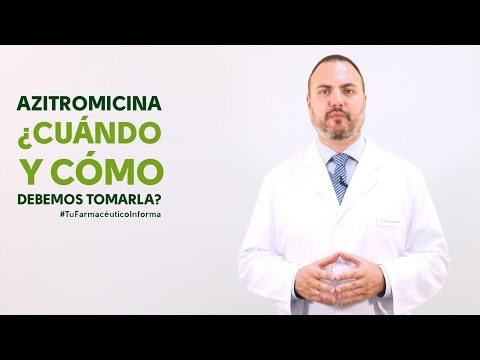
Every cold season, search traffic surges around queries like "azitromicina 500 para que sirve," reflecting how frequently patients look to self-diagnose and locate quick fixes for chest congestion, sore throats, and lingering coughs. Yet this widely recognized tablet remains one of the most misprescribed medications in primary care. Detailed public health education, including a widely referenced YouTube (Consejo General de Colegios Farmacéuticos) Report, emphasizes an urgent reality: azithromycin is a targeted antibacterial weapon, not an all-purpose antidote for respiratory discomfort.
Taking Azithromycin 500 mg for a standard rhinovirus, acute seasonal bronchitis, or influenza kills zero viral cells. Instead, indiscriminate consumption subjects commensal microflora to unnecessary chemical pressure and accelerates a catastrophic antibiotic resistance threat. Navigating the clinical utility of this drug demands an unvarnished examination of what it actually eradicates, how it behaves inside human tissue, and why casual use poses documented physiological hazards.
📌 Quick Summary:
- Approved Function: Azithromycin 500 mg acts exclusively on susceptible bacterial infections, targeting respiratory, cutaneous, and sexually transmitted pathogens.
- The Viral Disconnect: The drug has zero efficacy against the viruses responsible for 90% of acute bronchitis, colds, and flu cases.
- Clinical Hazards: Routine risks include acute gastrointestinal distress and serious cardiac complications, specifically QT prolongation in vulnerable patients.
How Macrolide Antibiotics Target Cellular Machinery
Azithromycin belongs to the subclass of azalides within the broader family of macrolide antibiotics, a pharmacological category that also includes clarithromycin and erythromycin. Synthesized as an advanced derivative of erythromycin, azithromycin features an incorporated nitrogen atom within its 15-member lactone ring. This subtle molecular modification produces substantially superior acid stability and enhanced tissue penetration compared to older macrolide predecessors.
The drug operates through bacteriostatic action. Rather than rupturing the bacterial cell wall directly, it binds reversibly to the 50S ribosomal subunit of susceptible microorganisms. This binding blocks transpeptidation and inhibits protein synthesis, starving the bacteria of the structural enzymes necessary to replicate. Deprived of growth mechanisms, the microbial population dwindles, allowing the host immune system to clear the remaining infection.
Because human ribosomes possess distinct structural variations (an 80S cytosolic ribosome profile rather than the bacterial 70S structure), the molecule selectively spares human cellular machinery. However, this precision applies solely to bacterial architecture. Viral pathogens do not possess ribosomal structures or independent metabolic machinery; they hijack human cellular protein manufacturing. Consequently, azithromycin has no biological mechanism to suppress viral replication.
Bacterial Respiratory Infections Versus the Viral Trap
The persistent confusion surrounding azithromycin stems from symptom overlap. Sore throats, fever, persistent coughing, and copious mucus look identical whether triggered by an adenovirus or a bacterial invader. When patients experience rapid symptom relief while taking an antibiotic for a viral illness, they often witness the body's natural immunological resolution, mistakenly crediting the pill.
Prescribers rely on strict prescription guidelines to deploy Azithromycin 500 mg for confirmed or strongly suspected bacterial respiratory infections. It serves as a front-line choice for community-acquired pneumonia caused by atypical pathogens such as Mycoplasma pneumoniae, Chlamydophila pneumoniae, and Legionella pneumophila. It also provides an essential alternative for strep throat (Group A beta-hemolytic streptococcal pharyngitis) in individuals with severe, documented penicillin allergies.
Outside the pulmonary tract, the medication remains a primary clinical tool for chlamydia treatment. Clinical protocols frequently utilize an oral single-dose regimen or a structured multi-day sequence to eradicate Chlamydia trachomatis within reproductive and urinary systems. Uncomplicated skin structure infections and acute exacerbations of chronic obstructive pulmonary disease (COPD) caused by Haemophilus influenzae or Moraxella catarrhalis also fall under its therapeutic umbrella.
Clinical Realities: Azithromycin 500 mg Across Common Diagnoses
Differentiating responsive bacterial infections from unresponsive viral conditions prevents clinical failure and limits adverse events. The table below details therapeutic alignments based on established medical standards.
| Diagnosis | Primary Pathogen Class | Azithromycin Effective? | Standard Therapeutic Approach |
|---|---|---|---|
| Acute Bronchitis | Viral (Rhinovirus, Influenza) | No (Inert) | Supportive care, hydration, bronchodilators |
| Atypical Pneumonia | Bacterial (M. pneumoniae) | Yes (High Efficacy) | Targeted macrolide or respiratory fluoroquinolone |
| Strep Throat | Bacterial (S. pyogenes) | Conditional (Second-line) | Penicillin or amoxicillin first; macrolide if allergic |
| Genital Chlamydia | Bacterial (C. trachomatis) | Yes (Established Regimen) | Doxycycline or single/multi-dose azithromycin |
| Seasonal Influenza / COVID-19 | Viral (Influenza A/B, SARS-CoV-2) | No (Inert) | Antivirals (Oseltamivir, Nirmatrelvir), rest, symptom relief |

The Pharmacokinetics of the Three-Day Course
One of the most frequent sources of patient confusion is the brevity of azithromycin regimens. While older beta-lactam antibiotics require seven to ten days of frequent dosing, an azithromycin 500 mg dosage often concludes in three days, or five days via standard 250 mg step-down dosing.
This compact schedule is made possible by extraordinary pharmacokinetics. Azithromycin exhibits rapid oral absorption paired with extensive tissue uptake. Rather than lingering primarily in blood serum, the active drug concentrates heavily inside macrophages, fibroblasts, and polymorphonuclear leukocytes. Circulating white blood cells transport the molecule directly to the site of infection, delivering localized drug concentrations up to 50 times higher than those measured in plasma.
The terminal elimination half-life spans approximately 68 hours. When a patient swallows their final pill in a three-day course antibiotic regimen, therapeutic concentrations persist inside target lung, bronchial, and tonsillar tissues for another four to five days. Stopping early or adjusting dosage schedules without clinical supervision disrupts this continuous tissue delivery, leaving surviving microbes exposed to sub-lethal concentrations that promote resistance.
Cardiovascular Flags and Gastrointestinal Realities
Azithromycin maintains a reputation for high tolerability, but it carries clinical trade-offs. The most widespread adverse outcomes involve gastrointestinal side effects. Between 8% and 12% of patients report abdominal cramping, nausea, loose stools, or vomiting. Because the molecular structure mimics motilin, a peptide hormone stimulating gastrointestinal contraction, the drug chemically accelerates bowel peristalsis regardless of meals.
Far more serious is the drug's effect on cardiac electrophysiology. Regulatory agencies, including the US Food and Drug Administration (FDA), have issued repeated warnings detailing the QT prolongation risk associated with azithromycin. The compound can impede myocardial potassium channels, prolonging the cardiac repolarization cycle.
In vulnerable individuals, prolonged repolarization can degenerate into polymorphic ventricular tachycardia, clinically recognized as *torsades de pointes*. This arrhythmia can trigger sudden syncope or lethal cardiac arrest. The risk escalates substantially for individuals presenting with known channelopathies, underlying hypokalemia, hypomagnesemia, pre-existing bradycardia, or those concurrently taking antiarrhythmic agents like amiodarone or sotalol. Clinicians must screen medical histories for baseline cardiac risks before signing an electronic prescription.
Escalating Resistance and International Prescription Controls
The global habit of prescribing antibiotics as psychological placebos has eroded the efficacy of macrolide treatments worldwide. Decades of unmonitored use have yielded extensive resistance patterns across common community pathogens. In numerous urban surveillance networks, over 30% of Streptococcus pneumoniae isolates demonstrate absolute resistance to azithromycin.
Pathogens develop this resistance through two primary molecular defenses: target modification and active efflux. Bacteria carrying the *erm* (erythromycin ribosome methylation) gene chemically alter their own ribosomal binding sites, rendering azithromycin, clarithromycin, and erythromycin unable to attach. Other bacterial strains express *mef* (macrolide efflux) genes, producing specialized transmembrane pumps that expel the antibiotic from the microbial cell before it can bind to the ribosome.
When resistance takes hold, routine community infections turn dangerous. Patients then require second- and third-line interventions, including intravenous glycopeptides, broad-spectrum carbapenems, or synthetic fluoroquinolones. These escalation therapies carry significantly higher organ toxicity risks and place heavier financial burdens on hospital networks.
Frequently Asked Questions (FAQ)
Q1: Can Azithromycin 500 mg treat a sore throat or the flu?
A1: No, unless an in-office throat culture confirms a bacterial infection such as Group A Streptococcus. The flu is caused by an influenza virus, and over 85% of sore throats stem from viral infections. Azithromycin has no biological activity against viral organisms.
Q2: Why do doctors prescribe a three-day regimen instead of ten days?
A2: Azithromycin concentrates inside white blood cells and body tissues rather than circulating purely in blood serum. Its terminal tissue half-life extends past 68 hours, meaning three days of 500 mg tablets maintain germ-killing tissue concentrations for close to seven days.
Q3: Should Azithromycin 500 mg be taken with meals or on an empty stomach?
A3: Tablets can generally be taken with or without food. However, consuming the dose alongside a moderate meal significantly reduces common gastrointestinal reactions like nausea, stomach cramping, and intestinal hypermotility.
Q4: Who should strictly avoid taking this medication?
A4: Individuals with a history of cholestatic jaundice or hepatic impairment from prior macrolide therapy, people with prolonged QT intervals, patients with uncorrected low blood potassium or magnesium, and anyone currently prescribed QT-prolonging cardiac medications must avoid azithromycin.
Safeguarding Macrolides in Modern Clinical Practice
Azithromycin remains an indispensable pillar of infectious disease medicine. Its tissue-seeking pharmacokinetics, short administration windows, and broad bacterial scope make it an ideal therapeutic option for conditions such as atypical pneumonia, systemic chlamydial infections, and acute bacterial exacerbations in chronic respiratory patients.
Its clinical value, however, relies entirely on diagnostic discipline. Demanding or consuming Azithromycin 500 mg as an all-purpose remedy for head colds, scratchy throats, and seasonal viral infections provides zero health benefits while directly degrading the drug's future utility. Protecting this therapy requires strict diagnostic confirmation, careful cardiovascular screening, and zero tolerance for unregulated self-medication.