The Hidden Danger of UTI Pills: Why OTC Pain Relief Can Disguise a Severe Kidney Infection
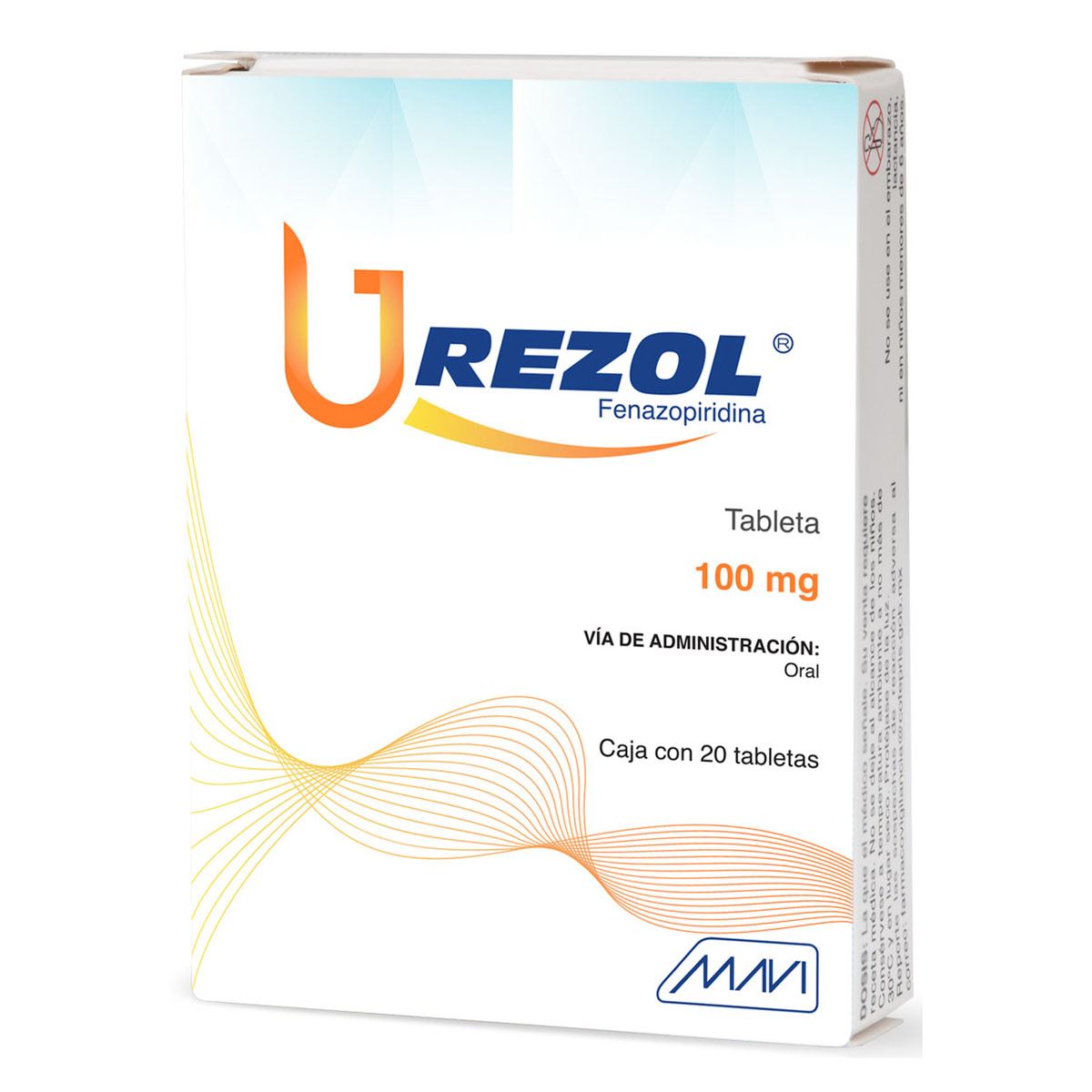
The burning arrives without warning: a razor-sharp ache during urination, an unrelenting urge to empty an already empty bladder, and intense pelvic cramping. Millions of people, particularly within Spanish-speaking households seeking pastillas para el mal de orín, head straight to the nearest pharmacy shelf for over-the-counter relief. Products packed with active dyes promise near-instant dysuria relief. Within forty minutes, the agonizing friction disappears, and urine turns a fluorescent reddish-orange. Comfort returns, creating the illusion of recovery.
That physical relief can be dangerous. Over-the-counter urinary analgesics act as a localized chemical anesthetic; they do not kill a single bacterium. While pain sensors in the bladder lining go quiet, underlying bacterial colonies continue to climb upward toward the kidneys. When symptom suppression replaces clinical diagnostics, a manageable localized irritation can escalate into life-threatening renal damage within 48 to 72 hours.
📌 Key Takeaways:
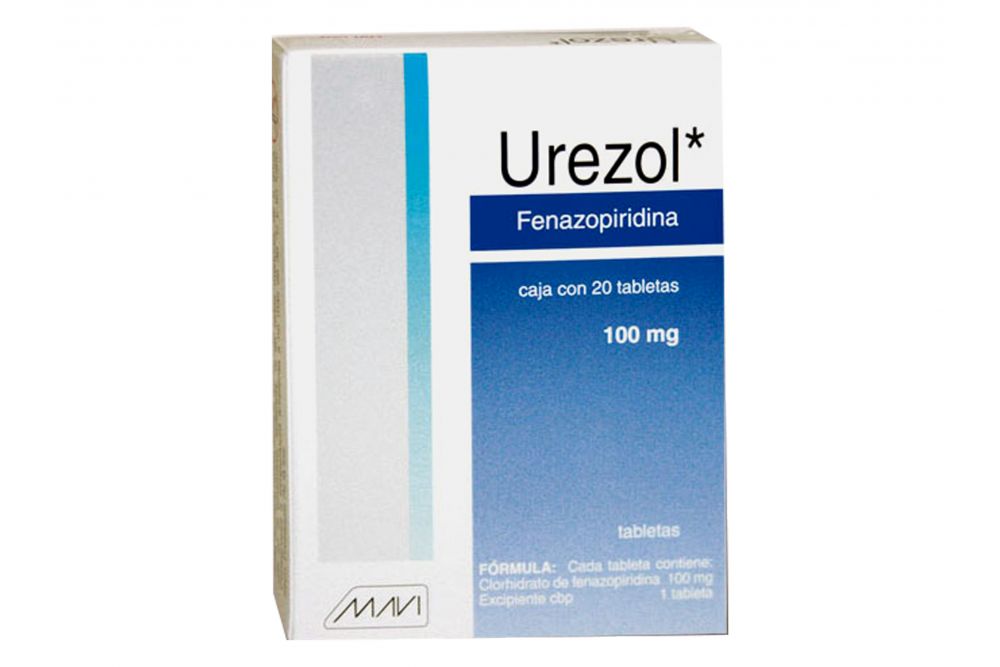
- The Chemical Reality: Phenazopyridine hydrochloride numbs the mucosa of the lower urinary tract to alleviate burning, but it possesses zero antimicrobial activity against proliferating pathogens.
- The Escalation Path: Silencing lower urinary symptoms allows untreated bacterial colonies, predominantly Escherichia coli, to ascend the ureters directly into the renal pelvis, precipitating acute pyelonephritis.
- Diagnostic Safeguards: Analgesic self-medication must not exceed 48 hours and should never occur prior to providing a clean-catch sample for a laboratory urine culture test.
The Chemistry of Rapid Dysuria Relief: What Phenazopyridine Actually Does
The primary active compound in non-prescription urinary tract pain formulations is phenazopyridine hydrochloride, an azo dye synthesized in the early twentieth century. When ingested, the compound filters directly through the kidneys and concentrates inside the urinary bladder. Rather than addressing the inflammatory catalyst, it exerts a direct topical analgesic effect on the mucosal lining of the urinary tract.
The compound functions much like a throat lozenge does on raw pharyngeal tissue: it deadens local nerve endings to stop the sensation of pain. For a patient experiencing acute dysuria, the relief feels complete. The physiological friction vanishes.
However, patients often equate symptomatic relief with microbiological clearance. Phenazopyridine does not inhibit bacterial cell wall synthesis, disrupt bacterial ribosomes, or alter microbial replication. It simply turns off the biological alarm system while the underlying pathology remains entirely unchecked.
Masking the Blaze: Antibiotics vs. Over-the-Counter Pain Relievers
Managing a bacterial invasion requires targeted eradication, not sensory dampening. The vast majority of lower urinary tract infections stem from uropathogenic Escherichia coli bacterial infection, which accounts for 75% to 95% of uncomplicated cystitis cases, alongside secondary pathogens such as Staphylococcus saprophyticus and Klebsiella pneumoniae.
These bacteria anchor to the uroepithelial cells using filamentous surface proteins called pili. Once anchored, they trigger an aggressive immune response: cytokine cascades, mucosal swelling, micro-ulcerations, and the searing burning sensation that drives patients to seek treatment.
Prescription urinary tract infection treatment relies on antimicrobial agents such as nitrofurantoin, trimethoprim-sulfamethoxazole, or fosfomycin to dismantle bacterial structures and halt proliferation. By contrast, over-the-counter urinary analgesics merely mute the neurological feedback of that cellular damage. Relying exclusively on analgesics creates a widening gap between perceived wellness and clinical severity. While the patient resumes daily activities, bacteria continue to divide exponentially every 20 to 30 minutes, escalating bladder infection complications behind a pharmacological shield.
From Cystitis to Acute Pyelonephritis: Clinical Milestones and Progression
When uropathogens remain unhindered inside the bladder, they expand across the mucosal surface and begin an upward migration through the ureters. This retroperitoneal ascent transforms simple lower tract cystitis into an invasive upper tract infection known as acute pyelonephritis.
Once bacteria penetrate the functional tissue of the kidneys, inflammatory destruction accelerates, threatening permanent renal scarring and vascular compromise.
| Infection Stage | Primary Site & Pathophysiology | Observable Symptoms | Clinical Danger Level |
|---|---|---|---|
| Uncomplicated Cystitis | Bladder mucosa and urethra; superficial inflammatory irritation. | Dysuria, urinary frequency, urgency, suprapubic tenderness. | Moderate; easily eradicated with first-line oral antibiotics. |
| Acute Pyelonephritis | Renal parenchyma and renal pelvis; bacterial invasion of upper tracts. | Flank pain, high fever (>101°F), shaking chills, nausea, vomiting. | High; requires urgent intravenous or broad-spectrum therapy to avoid renal scarring. |
| Urosepsis | Systemic circulation; bacteria and endotoxins breach the bloodstream via renal capillaries. | Hypotension, tachycardia, altered mental status, tachypnea, severe rigors. | Critical; intensive care admission required; historical mortality rates range from 15% to 40%. |
Recognizing Flank Pain, Chills, and the Early Cascades of Urosepsis
When phenazopyridine masks the classic burning sensation at the urethral opening, patients often miss the critical warning signs that an infection has moved to the upper urinary tract.
Kidney infection warning signs are systemic rather than localized to the bladder:
- Flank pain and chills: A deep, dull ache on one or both sides of the lower back, often centered beneath the ribcage at the costovertebral angle. This pain is frequently accompanied by shaking chills and night sweats.
- Systemic fever: Temperature readings exceeding 100.4°F (38.0°C), signaling that the immune system is battling an invasive parenchymal infection rather than surface-level bladder irritation.
- Gastrointestinal distress: Persistent nausea, dry heaving, and vomiting triggered by toxic inflammatory mediators.
If acute pyelonephritis remains untreated, microbial endotoxins can breach the renal microvasculature and spill directly into the bloodstream. This marks the onset of urosepsis risks, a medical emergency that accounts for roughly 25% to 30% of all adult sepsis admissions. In severe cases, systemic vasodilation causes blood pressure to plummet, depriving vital organs of oxygen and precipitating acute tubular necrosis, permanent renal failure, or septic shock.
Diagnostic Pitfalls: Why Self-Medicating Compromises Laboratory Testing
Beyond masking critical symptoms, taking phenazopyridine causes major diagnostic disruptions inside clinical laboratories. The bright orange-red dye leaches heavily into excreted urine, clouding automated photometric analyzers and colorimetric dipstick tests.
Standard point-of-care urine test strips rely on color shifts to detect leukocyte esterase, which indicates white blood cells, and nitrites, which indicate gram-negative bacteria like E. coli. Phenazopyridine deeply stains the test pads, making these color-based readings unreliable and sometimes triggering false positives or uninterpretable results.
More importantly, attempting to manage symptoms at home delays the collection of an untainted urine culture test. A culture is critical for isolating the specific bacterial strain and determining its antibiotic susceptibility profiles. today multi-drug-resistant uropathogens are increasingly common, relying on over-the-counter painkillers can cause a three- to four-day diagnostic lag. During that window, an uncomplicated bacterial issue can evolve into a complex clinical emergency.
Frequently Asked Questions (FAQ)
Q1: Is it safe to take phenazopyridine if I already have an antibiotic prescription?
A1: Yes, but only for the first 24 to 48 hours of starting antibiotic therapy. The analgesic helps relieve severe burning while the antimicrobial agent eliminates the bacterial population. Once the antibiotics begin clearing the pathogens, usually within two days, you should stop taking the pain reliever so you can monitor your natural symptoms.
Q2: Can drinking extra water and taking over-the-counter urinary pills cure a mild UTI?
A2: No. Hydration helps flush out non-adherent bacteria, and urinary pain pills temporarily numb inflamed tissue, but neither can eradicate bacteria anchored to the bladder wall. Resolving a true bacterial urinary tract infection requires targeted, prescription antimicrobials.
Q3: What should I do if my urine turns dark orange or red after taking these pills?
A3: A fluorescent orange or reddish tint is a harmless, expected side effect of the azo dye clearing your system. However, the dye will permanently stain clothing, contact lenses, and porcelain fixtures. If your urine appears cloudy, foul-smelling, or visibly bloody after discontinuing the medication, seek immediate medical evaluation.
Rethinking Bladder Pain Management in Clinical and At-Home Care
Over-the-counter urinary analgesics serve an important role in modern comfort care, providing welcome relief from severe dysuria while patients wait for medical treatment. However, their accessibility has inadvertently led to their misuse as standalone home remedies. The temporary absence of pain does not mean the infection has cleared.
Safe use comes down to clear timelines and proper diagnostics:
- Never use over-the-counter urinary analgesics for more than two consecutive days without consulting a physician.
- Always collect a clean-catch urine sample for urinalysis and culture before taking the first dose to prevent dye interference with laboratory testing.
- Seek immediate emergency medical care if you develop fever, rigors, nausea, or localized back pain beneath the lower ribs.
Treating urinary tract discomfort safely requires addressing the underlying bacterial infection rather than just masking the pain. When managed with proper clinical oversight, these medications can offer safe, temporary relief while targeted antibiotics eliminate the root cause before it compromises your long-term renal health.