Fresh vs. Dried Rice Noodles: Which Delivers True Restaurant Flavor at Home?
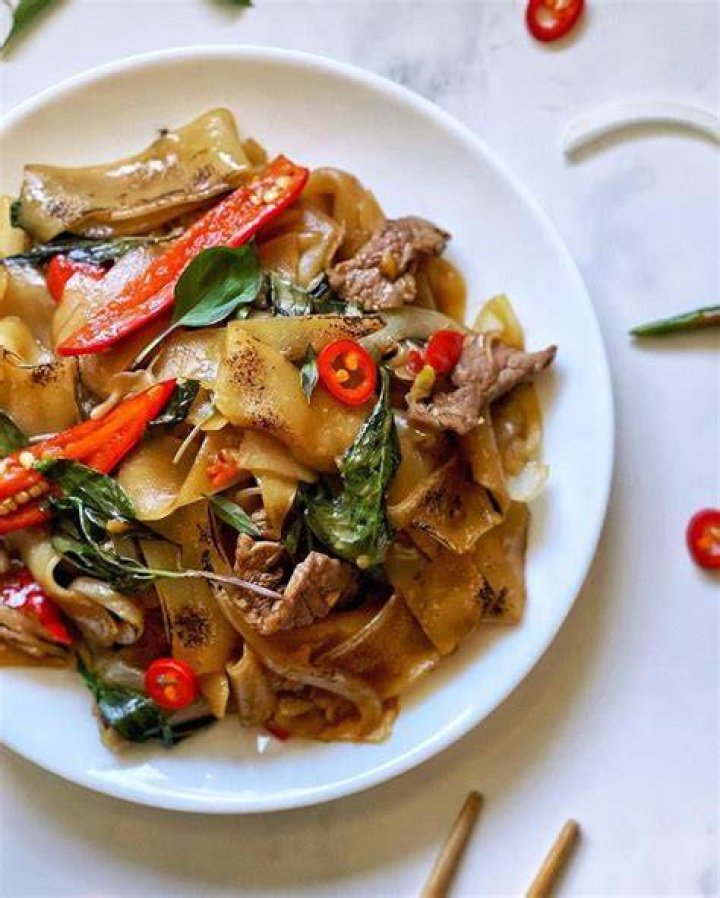
Every home cook knows the disappointment of a broken, waterlogged noodle stir-fry. You buy a packet of noodles, toss them into a piping hot pan with high hopes, and end up with a gelatinous clump that tastes nothing like the smoky, charred perfection served at your favorite Thai or Cantonese spot. Starch behaves unpredictably under domestic heat. As detailed in a recent Serious Eats report on crafting authentic Thai drunken noodles, achieving restaurant-caliber texture hinges entirely on understanding how noodle hydration interacts with skillet temperature.
The conversation around rice starch is shifting across food media. Coverage from Food & Wine highlighting the layered depth of Northern Thai curries like khao soi and culinary guides from Plant Based News spotlighting vegan wok classics have put rice noodle mechanics under scrutiny. The divide between fresh rice noodles and dried rice noodles is not merely a question of convenience. It dictates how starch gelatinizes, how sauces cling, and whether your dish achieves genuine charred aroma or turns to mush.
📌 Key Takeaways:
- The Hydration Factor: Fresh wide rice noodles deliver tender elasticity for fast stir-fries, while dried rice noodles offer structural resilience in simmering broths.
- The Soaking Rule: Boiling dried rice noodles before stir-frying guarantees breakage; soaking them in warm water preserves tensile strength.
- Heat Management: Achieving authentic wok hei on a standard electric or gas range requires cooking in small batches to prevent temperature drops.
The Starch Divide: Why Home Stir-Fries Turn Gummy
Rice noodles consist primarily of rice flour and water, occasionally blended with tapioca or cornstarch to enhance chew. The fundamental difference between fresh and dried varieties lies in their moisture state and starch retrogradation. Fresh rice noodles are steamed sheets of batter sliced into wide ribbons. They carry roughly 50%, 55% moisture straight from the package. Their starches are already fully gelatinized, leaving them supple, slippery, and fragile.
Dried rice stick noodles, by contrast, have been dehydrated down to roughly 10%, 12% moisture. Removing water rearranges the amylose molecules into tight crystalline structures. Reintroducing water through heat must be calculated with precision. If you drop dried noodles directly into rolling boiling water before tossing them into a pan, the exterior starch expands rapidly while the core remains rigid. When that wet, over-gelatinized exterior hits oil and a savory stir fry sauce, it dissolves into a sticky paste.
Commercial kitchens overcome these hurdles with specialized equipment. A commercial wok burner generates 100,000 to 150,000 BTUs of heat, instantly vaporizing surface liquid. A standard domestic burner tops out between 7,000 and 15,000 BTUs. Because home stoves lack brute thermal power, choosing the right noodle format for your cooking method is the only way to avoid noodle collapse.
Matching Noodle Formats to Broth, Sauce, and High Heat
Not every noodle handles every cooking medium with equal grace. Matching noodle hydration to your cooking liquid determines whether the final plate succeeds.
Stir-fried street noodles like pad see ew and pad kee mao demand wide rice noodles with immediate surface contact. Fresh sheets excel here. Their higher moisture lets them sear against the metal, developing blistered edges and capturing smoky flavor before the interior dries out. If fresh ribbons feel stiff straight from the refrigerator, microwave them for 30 to 60 seconds rather than boiling them. Gentle ambient heat softens the congealed fats and relaxes the starch chains without adding excess water.
Soups and braises operate under inverse physical constraints. Submerging fresh noodles into a simmering khao soi broth or a rich phở broth can cloud the soup and cause the ribbons to disintegrate within minutes. Dried rice stick noodles shine in soups. Rehydrated until pliable and then submerged in boiling broth for just 20 to 30 seconds right before serving, they retain a firm, distinct bite that holds up through the final slurp.
For cold preparations, such as Vietnamese bún bowls or chilled sesame noodle salads, medium-gauge dried vermicelli is the superior choice. Once soaked and quickly blanched, rinsing them under ice water strips away excess surface amylose. The noodles stay distinct, bouncy, and ready to absorb sharp vinegars and fish sauce without clumping.
Performance Breakdown: Fresh vs. Dried Rice Noodles in the Pan
Understanding the mechanical differences helps determine which variety belongs in your pantry based on preparation time, durability, and recipe goals.
| Noodle Format | Moisture Level | Ideal Application | Pan Durability |
|---|---|---|---|
| Fresh Wide Ribbons | 50%, 55% | Pad See Ew, Chow Fun, Drunken Noodles | Low (Requires gentle folding) |
| Dried Rice Sticks (Medium) | 10%, 12% | Pad Thai, Laksa, Khao Soi Broth | High (Withstands aggressive tossing) |
| Dried Rice Vermicelli | 8%, 10% | Cold Noodle Salads, Spring Rolls, Singapore Noodles | Moderate (Prone to matting if overcooked) |
Mastering the Soaking Technique and Wok Hei at Home
If you cannot find fresh wide sheets at a local Asian market, dried noodles can still produce an exceptional dish provided you abandon the packaging instructions. Most dried noodle boxes instruct cooks to boil the product for 6 to 8 minutes. In a stir-fry context, this guarantees failure.
Use the cold-to-warm soaking technique instead. Submerge dried rice stick noodles in warm tap water (around 110°F, 120°F) for 35 to 45 minutes. They are ready when they bend completely without snapping yet remain firm in the center. The noodles should feel like pliable rubber bands. When introduced to the pan, they absorb liquid directly from the stir fry sauce rather than expelling excess water onto the cooking surface.
Recreating wok hei, the elusive breath of the wok, on a residential burner requires two specific adjustments: surface material and batch sizing. Non-stick cookware fails because Teflon cannot safely withstand dry searing heat. Use a well-seasoned carbon steel wok or a heavy cast-iron skillet heated until wisps of smoke appear.
Cook only one to two servings at a time. Overcrowding the pan immediately drops surface temperature by dozens of degrees, causing the ingredients to steam in their own juices. Let the noodles sit completely motionless against the hot steel for 20 to 30 seconds before tossing. That direct contact caramelizes the soy sugars and chars the outer starch, creating the distinct smoky profile associated with open-flame cooking.
A Complete High-Heat Rice Noodle Recipe for Pad Kee Mao
This master framework works for both fresh wide rice noodles and properly soaked dried rice sticks. It accommodates dietary preferences naturally, as rice noodles serve as naturally gluten free noodles when paired with tamari or certified gluten-free soy sauces.
Assemble your ingredients before lighting the stove. The entire cooking process takes less than 5 minutes.
Ingredients:
• 8 oz fresh wide rice noodles (separated gently) or 6 oz dried rice stick noodles (soaked in warm water for 40 minutes)
• 2 tbsp high-smoke-point oil (avocado, peanut, or canola)
• 3 cloves garlic, roughly pounded in a mortar
• 2 to 4 Thai bird's eye chilies, bruised
• 6 oz protein of choice (thinly sliced flank steak, chicken thigh, or firm pressed tofu)
• 1/2 small yellow onion, sliced into wedges
• 1 cup holy basil or Thai sweet basil leaves, packed
• Sauce mixture: 1.5 tbsp oyster sauce (or vegetarian mushroom oyster sauce), 1 tbsp dark sweet soy sauce, 1 tbsp light soy sauce, 1 tsp fish sauce, and 1/2 tsp ground white pepper.
Step-by-Step Cooking Method:
1. Sear the Aromatics: Set your carbon steel wok or cast-iron skillet over maximum heat until smoking. Add 1 tablespoon of oil. Toss in the bruised chilies and garlic, stirring rapidly for 10 to 15 seconds until fragrant without burning.
2. Brown the Protein: Push aromatics to the side, add the remaining oil, and drop in the sliced protein and onions. Spread them flat against the metal. Sear undisturbed for 1 minute to develop browning, then toss until roughly 80% cooked.
3. Char the Noodles: Add the prepared noodles directly to the center of the pan. Spread them wide. Pour the mixed stir fry sauce around the perimeter of the pan so it sizzles instantly upon hitting the hot steel rather than boiling the noodles directly.
4. Fold and Caramelize: Using a wide metal spatula, scoop underneath the noodles and fold them over the sauce and meat. Allow the ribbons to sear against the bottom for 20 to 30 seconds. Repeat twice until the sauce is fully absorbed and dark spots appear on the noodle edges.
5. Wilt the Basil: Turn off the heat completely. Dump in the fresh basil leaves. Fold gently through the residual heat until the leaves turn deep green and fragrant, then transfer to a plate immediately.
Frequently Asked Questions (FAQ)
Q1: Why do my fresh rice noodles break into small bits during cooking?
A1: Cold noodles contain crystallized starches that snap under physical stress. Never stir-fry fresh noodles straight from the refrigerator. Warm them gently in the microwave or briefly submerge them in hot tap water to loosen the ribbons before separating them by hand. In the pan, use a gentle scooping and folding motion rather than aggressive stirring.
Q2: Can I substitute dried noodles in recipes that call for fresh wide ribbons?
A2: Yes, but you must use wide-cut dried rice sticks (often labeled as "Pad Thai XL" or "Chow Fun" cut). Soak them in warm water for 40 to 50 minutes until flexible, drain thoroughly, and toss with a half-teaspoon of neutral oil to prevent sticking before they enter the hot skillet.
Q3: How do I store leftover fresh rice noodles to keep them usable?
A3: Keep uncut fresh sheets wrapped tightly in plastic film at room temperature if you plan to use them within 24 hours. If refrigerating, seal them in an airtight container with minimal air exposure. They will harden within a day; revive them with 30 to 45 seconds of microwave steam covered by a damp paper towel before slicing and cooking.
Mastering Starch and Heat in the Home Kitchen
Great noodle cooking does not require a commercial kitchen or specialized pedigree. It demands an appreciation for starch structure, hydration levels, and disciplined pan management. Fresh wide rice noodles offer unrivaled tenderness when seared quickly in uncluttered pans, while dried rice stick noodles provide dependable structural resilience in rich curries and aromatic broths. By controlling moisture during prep and respecting the thermal limits of your stove, restaurant-level noodle dishes become fully repeatable on any residential burner.