Oven Roasted Chicken Shawarma: Proof You Don't Need a Rotisserie Spit
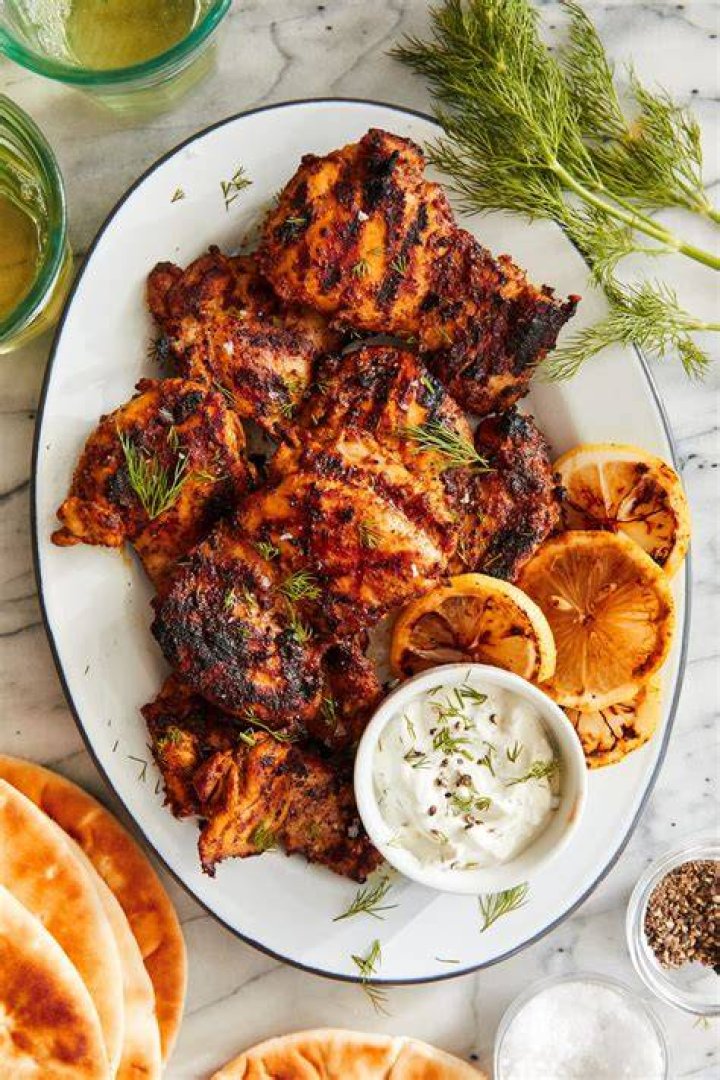
For decades, the intoxicating perfume of Middle Eastern street food has hinged on an engineering marvel: the vertical rotisserie. Giant cones of spiced poultry spin beside gas-fired ceramic infrared burners, continuously basting themselves as cooks shave off paper-thin ribbons of blistered meat. Replicating that balance of tender, spiced meat and crunchy brown shards at home once seemed impossible without buying specialty vertical skewer hardware. Yet as highlighted in a recent culinary broadcast on the cbs8.com Report, domestic cooks are unlocking authentic street-cart results using nothing more than a standard heavy baking sheet, an assertive spice blend, and blast furnace oven heat.
This shift mirrors broader home cooking adjustments documented across modern food media. Recent industry coverage from Real Simple tracked how dark poultry cuts consistently produce reliable results under intense dry heat, while Food & Wine emphasized how high-acid pan braising traps bold pan juices. To bypass the industrial spit, you do not need gimmick gadgets or mini rotisserie ovens that crowd your counter space. You need thermal conductivity, proper surface spacing, and the correct fat distribution.
📌 Quick Summary:
- The Cut Selection: Boneless skinless chicken thighs provide the intramuscular fat required to withstand intense oven temperatures without drying out.
- The Thermal Strategy: Blasting chicken on a preheated sheet pan at 425°F to 450°F mimics the localized caramelization of a commercial gas burner.
- The Essential Balance: Sharp pickled turnips, thick toum garlic sauce, and nutty tahini dressing balance the rich, spiced fat inside warm pita bread.
Why Dark Meat Carries the Oven Roasting Technique
Breast meat is unforgiving. Expose lean white meat to intense dry radiant heat for thirty minutes and its internal protein fibers contract, squeezing out moisture and leaving you with chalky, stringy strips. To master sheet pan shawarma, you must rely exclusively on boneless skinless chicken thighs.
Thighs possess higher levels of collagen and intramuscular fat. As the temperature climbs past 165°F, a threshold that spells disaster for white meat, collagen in thighs melts into gelatin. This keeps the meat supple even when roasted past 175°F to crisp the exterior. Furthermore, dark meat absorbs an oil-and-acid marinade without breaking down into an unpalatable mush, making it the ideal vehicle for intense aromatics.
Engineering the Lemon Garlic Marinade and Shawarma Spice Blend
Street vendors guard their spice blends zealously, but the structural blueprint relies on contrasting warm, earthy roots with sharp citrus top notes. The base begins with ground cumin and coriander, which supply a woody, grounding backbone. Smoked paprika adds both an amber hue and an essential woodsmoke undertone, standing in for the open flame of a commercial kitchen. Add pinches of ground cardamom, ground cloves, ground cinnamon, and ground turmeric to establish depth.
The marinade requires three structural components:
- The Acid: Fresh lemon juice cuts through dark meat heaviness and tenderizes the muscle fibers.
- The Fat: Extra virgin olive oil dissolves fat-soluble compounds in the ground spices, carrying them deep into the meat.
- The Aromatics: Freshly grated garlic cloves combined with fresh ginger deliver an assertive aromatic punch.
Whisk these elements together with kosher salt and black pepper, thoroughly coat the thighs, and let them rest in the refrigerator for at least two hours, or overnight for maximum penetration.
Comparing Cooking Methods: Vertical Spit vs. Sheet Pan vs. Skillet
Every cooking method negotiates a trade-off between exterior crust, fat loss, and practical preparation time. Understanding these variables ensures you match the heating method to your kitchen setup.
| Cooking Method | Operating Temperature | Crust-to-Juice Balance | Active Cooking Time |
|---|---|---|---|
| Commercial Vertical Spit | Direct infrared flame (600°F, 800°F) | Perpetual self-basting; high localized char | Continuous shaving (shaved as ordered) |
| High-Heat Sheet Pan | 425°F, 450°F (convection preferred) | Broad caramelization across pan contact points | 25, 35 minutes |
| Cast-Iron Skillet Sear | Medium-high stovetop (400°F, 450°F) | Dense crust; higher risk of spice scorching | 12, 16 minutes per batch |
Achieving Crispy Charred Edges in a Domestic Oven
The primary hazard of home sheet-pan cooking is steam. When meat hits a cool baking sheet or sits crowded against adjacent cuts, moisture pools. Instead of searing, the chicken simmers in its own exuded juices, turning pale and spongy.
To avoid this outcome, position an oven rack in the upper third of your oven and preheat to 425°F. While the oven heats, place a rimmed baking sheet inside so the metal gets scorching hot. Lightly oil the hot sheet, then lay the marinated thighs flat in a single layer with at least one inch of breathing room between pieces. The immediate sizzle signals the Maillard reaction starting on contact.
Roast undisturbed for 20 to 25 minutes. At this point, slide the pan beneath the broiler element on high for 3 to 5 minutes. Watch the meat closely. The sugars, spices, and rendered poultry fats will bubble violently, creating crispy charred edges that mirror authentic street-cart style shawarma. Transfer the chicken to a cutting board, rest it for 5 minutes, then slice against the grain into thin ribbons.
The Condiment Architecture: Toum, Tahini, and Pickled Turnips
Chicken shawarma is only as good as the condiments paired with it. A common misstep is slathering tzatziki or generic mayonnaise onto the wrap, drowning the nuanced spicing in bland dairy. Authentic Levant-style shawarma depends on contrasting emulsion and acidity.
First comes toum garlic sauce, a snow-white emulsion of raw garlic, kosher salt, neutral oil, and lemon juice. Toum provides an intense, pungent bite that cuts straight through rendered poultry fat. Second is a creamy tahini dressing, whisked with water, lemon juice, and garlic until it transitions from a stiff paste into a smooth, pourable drizzle.
Finally, the assembly requires pickled turnips dyed vibrant magenta with beet juice. Their crisp snap, earthy brine, and sharp acidity refresh the palate between bites of rich, spiced chicken.
Assembling the Pocket: Warm Pita Bread and Layering Dynamics
A structurally sound shawarma wrap begins with bread temperature. Cold pita cracks and spills juices everywhere. Toast fresh flatbread or warm pita bread directly over a low gas flame or on a dry cast-iron griddle until pliable and blistered with small brown spots.
Smear a generous line of toum down the center third of the pita. Pile the sliced, charred chicken directly over the garlic spread, allowing the warm meat juices to melt into the emulsion. Lay two or three batons of pickled turnips alongside thinly sliced Persian cucumbers and fresh parsley leaves. Drizzle lightly with tahini dressing, fold the bottom up, roll the sides tightly, and wrap in parchment paper for clean handling.
Frequently Asked Questions (FAQ)
Q1: Can chicken breasts be substituted for thighs in this recipe?
A1: Yes, but with adjustments. Chicken breasts dry out easily at high temperatures. If using breasts, slice them into thin cutlets first, reduce cooking time to 12, 15 minutes, and brush with extra olive oil to prevent dehydration.
Q2: How do I store and reheat leftover shawarma without losing crispness?
A2: Store sliced meat in an airtight container for up to 4 days. To reheat, avoid the microwave, which softens the texture. Re-crisp the chicken in a hot, lightly oiled cast-iron skillet for 2 to 3 minutes over high heat.
Q3: What if I don't have an immersion blender or food processor for toum?
A3: Toum requires high shear to create a stable garlic emulsion. If you lack the equipment, mix three grated garlic cloves and a squeeze of fresh lemon juice directly into full-fat mayonnaise for a quick alternative spread.
Street-Food Standards for the Home Kitchen
Ditching commercial rotisseries does not mean settling for bland, soggy chicken. Domestic sheet pans generate impressive surface caramelization when preheated properly and loaded with space between cuts. Combined with a robust spice profile of cumin, coriander, and smoked paprika, home-roasted thighs deliver the complex aromatics and distinct charred edges of your favorite food cart, proving that smart heat management consistently beats specialized machinery.