Why Chefs Are Ditching Fermentation for 20-Minute Cucumber Kimchi
Traditional kimchi commands patience. For Napa cabbage or winter radishes, that waiting period rewards cooks with fizzy, sour lactic acid and deep savory depth. Cucumbers operate under entirely different biological rules. When submerged in standard fermentation brines for days, their 95% water content turns against them, transforming crisp cellular walls into limp, waterlogged mush. As noted in a recent Food & Wine Report exploring refreshing summer cucumber traditions, culinary professionals are increasingly abandoning multi-week fermentation vessels in favor of rapid, highly concentrated quick pickling methods.
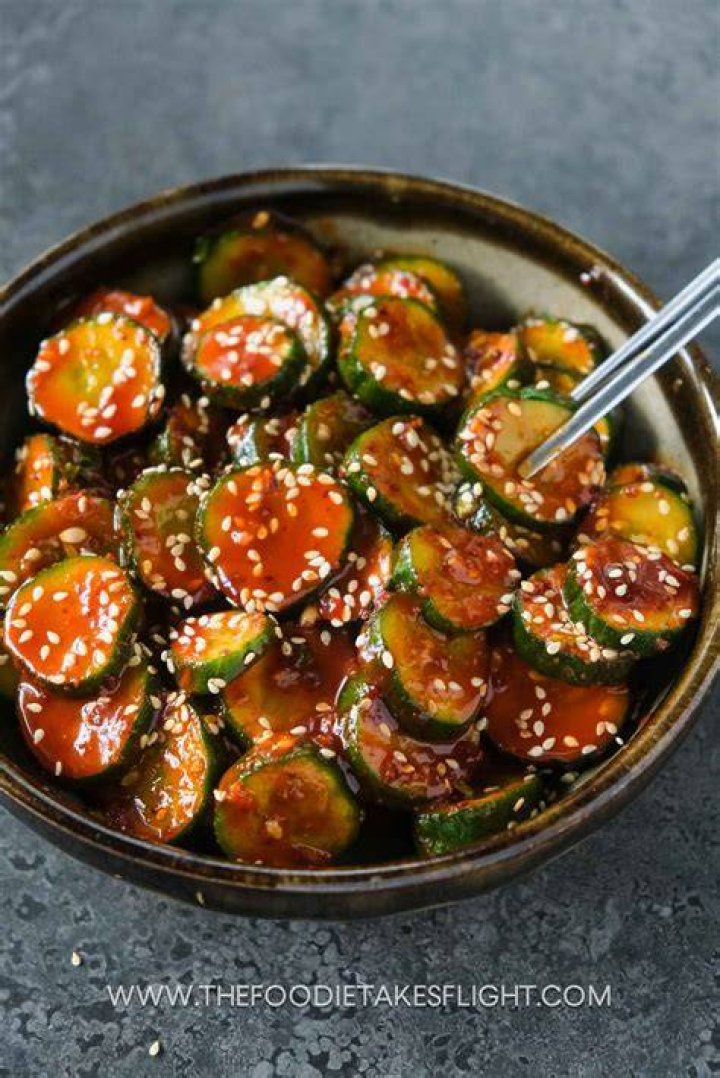
Professional line cooks and Korean home cooks alike have recognized that quick-cured cucumber banchan yields an explosive combination of snapping crunch, lively acidity, and sharp aromatics without the structural collapse of aged pickles. In under twenty minutes, a properly salted bowl of Persian or Kirby cucumbers absorbs an intense paste of gochugaru, fish sauce, minced garlic, and toasted sesame oil. The result delivers the complex heat of a classic ferment with the immediate freshness of a vibrant summer side dish.
📌 Key Takeaways:
- The Structural Limit: Cucumbers break down rapidly during room-temperature fermentation due to high water content and aggressive enzymatic softening, making fresh preparation superior for snap.
- The Osmotic Fix: A strict 10-minute salting technique extracts excess moisture, preventing sauce dilution while concentrating natural vegetable sugars.
- The Essential Balance: Coarse Korean chili flakes (gochugaru), savory fish sauce, rice vinegar, and toasted sesame oil create deep umami without waiting weeks for microbial acid development.
The Structural Science: Why Long Fermentation Destroys Cucumbers
Cucumbers are botanically fragile. While dense vegetables like Napa cabbage retain structural integrity through weeks of microbial activity, cucumbers contain high levels of pectinase enzymes. Left at room temperature in a wet fermentation crock, these enzymes sever pectin chains within the fruit's cell walls. The crisp bite disappears within 48 to 72 hours, replaced by a sponge-like texture that weeping moisture into the brine.
Culinary labs and test kitchens have isolated the issue to water activity. Cucumbers consist of roughly 95% to 96% water by weight. When beneficial lactic acid bacteria convert sugars into acid during classic anaerobic fermentation, the cellular structure collapses under hydraulic pressure. Top restaurants bypass this breakdown entirely by relying on a fast, concentrated cure. By treating the dish as an immediate seasonal banchan rather than a preserved winter staple, cooks capture the bright, explosive bite of fresh produce supported by savory chili paste.
Oi Sobagi Versus Oi Muchim: Defining the Speed Technique
Korean culinary history provides two main templates for seasoned cucumbers: oi sobagi and oi muchim. Traditional oi sobagi involves cutting cucumbers into pocketed quarters, salting them, and stuffing the interiors with garlic chives, carrots, and salted shrimp paste before letting them ferment for a couple of days. While prized for festive banquets, stuffed oi sobagi carries a short peak-crisp window before degrading.
The contemporary 20-minute method borrows structural elements from oi sobagi but adopts the agile service workflow of oi muchim (seasoned cucumber salad). Instead of intricate pocket-stuffing, cooks slice whole cucumbers into thick half-moons or coin disks. This geometry increases surface area contact. The thick slices take on salt instantly, purge surface moisture, and pull the chili paste into direct contact with the interior flesh in minutes. It bridges the gap between everyday table banchan and traditional kimchi, offering maximum punch with negligible wait time.
The 10-Minute Salting Technique That Guarantees Crispness
The linchpin of the 20-minute recipe rests on osmotic extraction. Skipping this step produces a watery, washed-out side dish within ten minutes of plating. Tossing sliced cucumbers in coarse sea salt or kosher salt at a 2.5% to 3% ratio creates a sharp osmotic gradient. Water molecules migrate out of the cucumber cells, collapsing the slack spaces between fibers while leaving cell walls firm and concentrated.
Varietal selection dictates salting duration:
- Persian Cucumbers: Thin-skinned, virtually seedless, and dense. They require just 8 to 10 minutes of salting. Do not peel them; the tender skin provides essential bite.
- Kirby Cucumbers: The classic pickling standard. Thicker skins and firm flesh require a full 12 to 15 minutes under salt. Trim the stem ends generously to remove cucurbitacins, the bitter compounds concentrated near the vine connection.
- English Hothouse Cucumbers: Acceptable in a pinch, but the watery seed cavity must be scraped out with a spoon before slicing to avoid sogginess.
Once sweat beads form and slices bend without snapping completely in half, rinse the cucumbers briefly under cold water to strip surface salinity. Press them firmly in a clean kitchen towel. Squeezing out residual liquid creates room for the chili paste to cling directly to the flesh.
Comparing Curing Methods: Quick Toss Versus Traditional Ferments
Understanding where this rapid recipe sits relative to historic preparations helps cooks choose the right technique for daily meals versus long-term pantry storage.
| Method Profile | Active Preparation | Texture Shelf Life | Acid & Flavor Origin |
|---|---|---|---|
| 20-Minute Quick Kimchi | 15, 20 minutes | 24, 48 hours at peak snap | Rice vinegar + raw aromatics |
| Stuffed Oi Sobagi | 45, 60 minutes + 2 days rest | 3, 5 days before softening | Mild lactic acid fermentation |
| Traditional Cabbage (Baechu) | 2, 3 hours + multi-week cure | 3, 6 months stable | Deep lactic acid + complex fermentation |
Building the Umami Paste: Ratios That Matter
Because this recipe does not rely on weeks of bacterial activity to generate natural glutamates and tangy acids, the seasoning mixture must supply both immediately. Achieving restaurant-grade balance requires coarse gochugaru (Korean red pepper flakes). Standard cayenne powder should never be substituted; it packs blinding heat without the fruity, sun-dried, slightly smoky sweetness characteristic of Korean chili grinds.
For roughly one pound of salted cucumbers (about 4 to 5 Persian cucumbers), whisk together:
- 2 tablespoons coarse gochugaru: Adjust upward for higher spice tolerance.
- 1 tablespoon premium fish sauce: Anchovy or sand lance sauce delivers instant oceanic depth and concentrated glutamates. For vegan cooking, substitute an equal measure of high-grade Yondu vegetable seasoning or tamari combined with kelp powder.
- 1 tablespoon rice vinegar: Injects clean, bright acidity that replicates early-stage fermentation sourness without waiting days.
- 2 cloves fresh minced garlic: Pungent and sharp; grating on a microplane ensures uniform dispersion.
- 1 teaspoon grated fresh ginger: Provides back-palate warmth.
- 1 teaspoon granulated sugar or raw honey: Rounds off harsh edges and feeds aromatics.
- 1 teaspoon toasted sesame oil: Adds nutty richness. Toss this in at the final step to avoid coating the cucumbers in oil before the chili paste adheres.
- 2 scallions, thinly sliced on a bias: Delivers essential fresh allium crunch.
Toss the dried, salted cucumbers in this vibrant paste until every facet is coated in crimson oil and flecks of garlic. The dish is immediately ready for table service.
Common Kitchen Mistakes That Ruin Quick Banchan
The simplicity of quick cucumber kimchi leaves nowhere for poor technique to hide. Kitchens frequently trip over three common errors:
Over-marinating in the refrigerator: This recipe is engineered for rapid consumption. While conventional wisdom suggests letting dishes sit overnight to meld flavors, cucumbers continue releasing water into the paste even after thorough towel drying. Enjoy this banchan within the first 4 to 6 hours of preparation for peak acoustic crunch. If keeping leftovers, drain accumulated liquid before serving on day two.
Using fine chili powder instead of coarse flakes: Fine-ground chili turns into a sticky, chalky sludge that suffocates the refreshing nature of the vegetable. Coarse flakes rehydrate against the cucumber juices, creating a glossy, clingy glaze that holds distinct texture.
Skipping the rinse step: When time is tight, cooks often salt cucumbers and dump seasonings straight into the same bowl. This traps excess salt in the mixture, yielding an unpalatable, mouth-puckering salt bomb. Always drain, rinse rapidly, and towel dry.
Frequently Asked Questions (FAQ)
Q1: Can I make this quick cucumber kimchi recipe entirely vegan?
Yes. Replace the fish sauce with equal parts high-grade Korean soup soy sauce (guk-ganjang) or Yondu umami seasoning. Adding a half-teaspoon of white miso paste replicates the savory depth naturally found in salted fermented seafood.
Q2: How long can I keep leftovers in the refrigerator?
Store leftovers in an airtight glass container for up to 3 days. The cucumbers will lose their crisp snap after 48 hours and release clear juice into the seasoning. They remain safe and flavorful to eat, working well tossed over chilled soba or somyeon noodles.
Q3: Why did my cucumbers turn out bitter?
Bitterness originates from cucurbitacins, organic compounds that concentrate in the skin and stems of field cucumbers during heat stress. Trim at least half an inch off both ends of Kirby or garden cucumbers before slicing. Persian cucumbers naturally contain lower cucurbitacin levels, making them the safest pick for zero bitterness.
The Evolution of Modern Banchan in Weeknight Kitchens
The transition toward rapid, high-impact banchan reflects a broader change in home and professional cooking. Lengthy seasonal preservation projects maintain an essential cultural place, but the contemporary table prioritizes freshness, tactile crunch, and agility. Mastering this 20-minute cucumber kimchi delivers all the aromatic intensity of traditional Korean flavors without binding cooks to weeks of passive waiting. A sharp knife, a short salt draw, and a well-balanced bowl of gochugaru paste are all that stand between an empty cutting board and one of the finest summer side dishes in modern cooking.