Is It Just Acid Reflux or Something Worse? Debunking Stomach Fluid Fears

Waking up with a burning throat and a mouth full of sour, bitter fluid sends immediate panic through anyone trying to make sense of what just surged up from their gut. Thousands of people search medical forums late at night asking what digestive acid actually looks like, wondering if that stinging yellow liquid or frothy clear wash points to chronic indigestion or something far more sinister. According to an investigative HealthCentral Report examining persistent heartburn complications, the symptom overlap between common gastroesophageal reflux disease (GERD) and aggressive gastric malignancies leaves patients and physicians navigating a treacherous diagnostic gray zone.
📌 Key Takeaways:
- Pure Gastric Juice: Natural stomach acid is completely clear and watery, composed primarily of hydrochloric acid (HCl), water, and the digestive enzyme pepsin.
- The Color Breakdown: Yellow or bright green fluid signals bile reflux escaping upward from the small intestine, while white frothy foam indicates swallowed air whipped with protective mucus.
- Critical Warning Signs: Vomit resembling dark coffee grounds, maroon fluids, unexplained weight loss, or difficulty swallowing are major red flags requiring immediate clinical intervention.
The Naked Anatomy of Gastric Juice
Pop culture depicts stomach acid as a smoking, neon-green slime capable of dissolving metal grates on contact. Reality is far more mundane, yet biochemically ferocious. In its unadulterated state, gastric juice produced by your stomach's parietal cells is a thin, completely transparent, water-like fluid. It carries no natural pigmentation. If you were to isolate it in a sterile glass vial, you would struggle to distinguish it visually from tap water.
Yet this clear wash maintains an astonishingly corrosive pH level between 1.5 and 2.0, powered almost entirely by hydrochloric acid (HCl). To put that in perspective, battery acid registers around 0.8, while pure lemon juice sits near 2.2. Along with hydrochloric acid, your stomach produces roughly 1.5 liters of this secretion daily. The liquid carries the digestive enzyme pepsin, specialized proteins, intrinsic factor for vitamin B12 absorption, and sodium chloride.
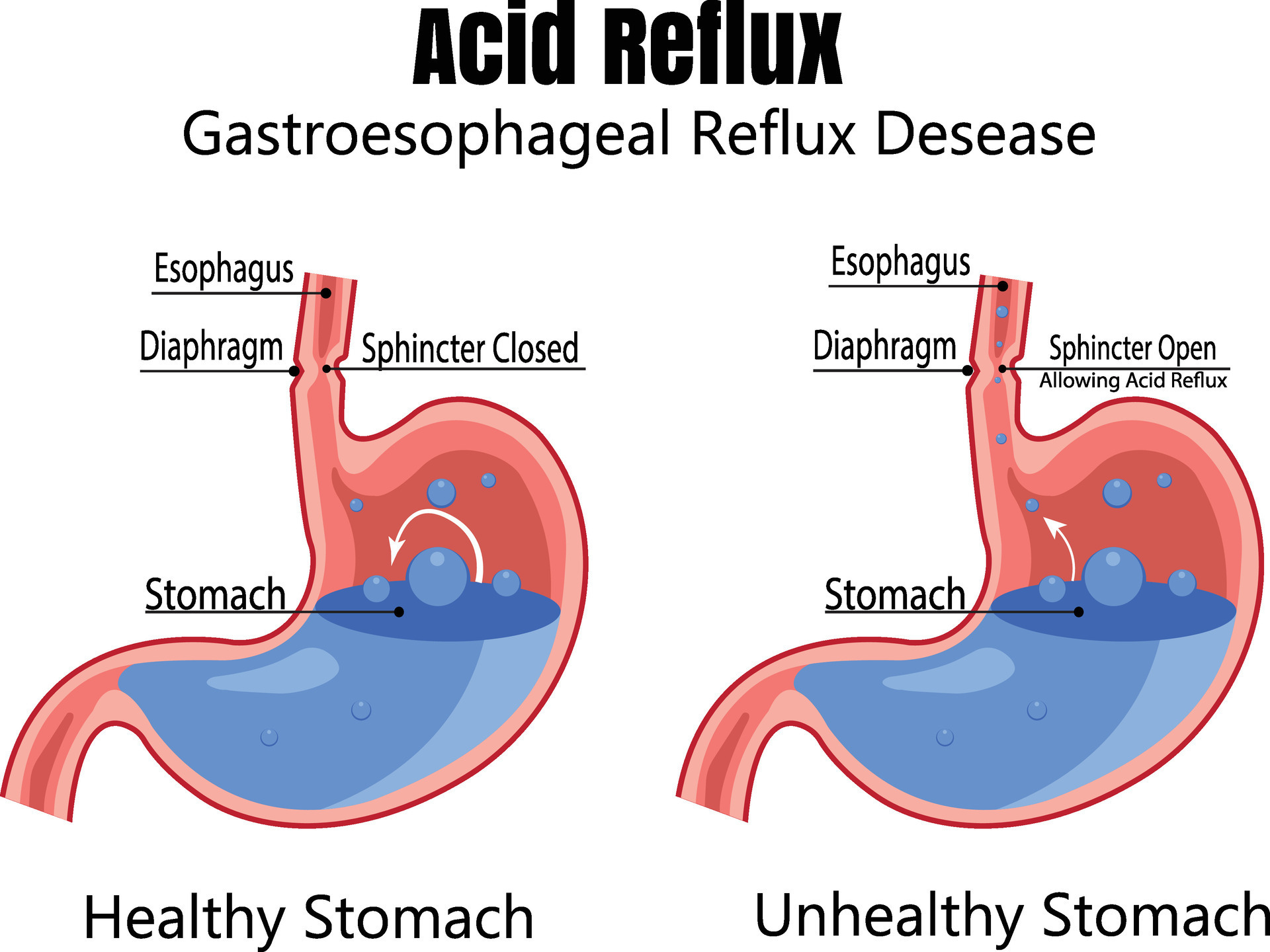
Why doesn't this corrosive cocktail digest your inner organs? A dense, alkaline layer of stomach lining mucus acts as a biological shield. Specialized goblet cells coat the stomach walls with a bicarbonate-rich barrier that neutralizes the acid before it can chew through the underlying tissue. When that mucus layer breaks down or the lower esophageal sphincter relaxes inappropriately, the acid shoots upward. The esophagus possesses zero protective mucus coating. The consequence is immediate, caustic tissue burns that we register as heartburn.
Decoding the Colors: From Clear Watery Fluid to Bile
Because the liquid inside the digestive tract rarely sits isolated in a vacuum, what patients actually see during regurgitation or emesis varies wildly depending on timing, fasting status, and biliary function. Knowing the difference between baseline acid and abnormal bile can help triage whether you are handling standard esophageal irritation or a secondary biliary problem.
Clear watery vomit typically occurs on an empty stomach. When patients regurgitate pure fluid first thing in the morning or hours after a meal, they are expelling raw gastric juice mixed with saliva. If it appears frothy or bubbly, the fluid has encountered trapped air in the upper esophagus, churning the proteins in saliva and pepsin into a white foam.
Yellow stomach fluid tells a distinct story. Stomach acid itself is never yellow. When fluid turns bright yellow or dark green, you are looking at bile reflux. Bile is an alkaline digestive agent synthesized in the liver and stored in the gallbladder, designed to break down fats in the duodenum. When the pyloric valve between the stomach and small intestine fails to close securely, bile surges backward into the stomach. From there, it mixes with hydrochloric acid and rides up the esophagus. Patients experiencing bile reflux frequently report a harsh, metallic bitterness in the back of the mouth that distinctively outstings the sour punch of ordinary hydrochloric acid.
How Stomach Fluid Changes Across Clinical Conditions
Clinical presentation changes rapidly depending on underlying systemic conditions. The visual characteristics of regurgitated fluid often provide the first physical clues during an upper endoscopy or acute emergency evaluation.
| Fluid Appearance | Primary Biochemical Composition | Clinical Indication |
|---|---|---|
| Clear, watery liquid | Hydrochloric acid (HCl), pepsin, water | Uncomplicated acid reflux, fasting vomiting, water brash |
| White, foamy bubbles | Acid mixed with salivary proteins and swallowed air | Severe GERD, aerophagia, esophageal spasms |
| Bright yellow to dark green | Bilirubin, bile salts, duodenum secretions | Duodenogastric reflux, gallbladder dysfunction, bowel obstruction |
| Dark brown / "Coffee grounds" | Oxidized hemoglobin hematin exposed to gastric acid | Active upper gastrointestinal bleed, ulcer perforation, malignancy |
When stomach acid mixes with blood, hydrochloric acid immediately oxidizes the iron molecules in hemoglobin. Fresh, bright red blood signals active, rapid bleeding in the upper esophagus or mouth. But blood that has lingered in the stomach acid turns deep brown, clumping together like damp coffee grounds. This finding always marks an acute medical emergency.
When Acid Reflux Symptoms Mask Gastric Disease
Distinguishing ordinary heartburn from stomach cancer remains a persistent diagnostic challenge. The early clinical manifestations of gastric adenocarcinoma and esophageal cancer almost perfectly mirror the daily discomforts of run-of-the-mill acid reflux symptoms. Burning chest discomfort, bloating, belching, early satiety, and regurgitation frequently deceive patients into relying on over-the-counter antacids for months.
A survival report published by UT MD Anderson highlighted six patient testimonies outlining how subtle their initial signs were. In multiple cases, survivors dismissed their conditions as worsening acid reflux, noticing only mild indigestion or an intermittent throat tickle before finding advanced tumors. Similarly, coverage in Newsweek pointed to dietary factors like high sodium consumption and preserved foods as insidious drivers that erode the mucosal lining over decades, steadily elevating malignancy risks without triggering acute pain.
The differentiating line lies in the systemic progression. Uncomplicated gastroesophageal reflux disease fluctuates based on meal size, caffeine intake, and physical posture. In contrast, gastric cancer red flags involve irreversible shifts: unintended weight loss exceeding 5% to 10% of body mass, chronic progressive dysphagia (the sensation of food getting stuck in the chest), early satiety where three bites of food induce uncomfortable fullness, persistent anemia from occult blood loss, and recurrent vomiting that resists medication.
The Shifting Science on Proton Pump Inhibitors
For over thirty years, proton pump inhibitors (PPIs) such as omeprazole, esomeprazole, and pantoprazole have served as the frontline defense against severe acid reflux complications. By binding irreversibly to the hydrogen-potassium ATPase enzyme system in parietal cells, these drugs cut daily gastric acid production by up to 90%.
Yet chronic dependency on these compounds created substantial clinical anxiety. Massive multi-district litigation documented by AboutLawsuits.com raised questions over long-term risks, including acute interstitial nephritis, chronic kidney disease, and bone density fractures in patients on unchecked regimens spanning over a decade. Concurrently, fears circulated across medical forums that prolonged acid suppression caused atrophic gastritis, potentially sparking stomach cancer.
That specific cancer concern saw a major turning point in early 2026. A comprehensive clinical evaluation published in SciTechDaily brought relief to millions of chronic reflux sufferers by formally clearing long-term, appropriate PPI therapy of heightened gastric cancer risk. The data demonstrated that the prior statistical correlation was largely rooted in confounding variables: patients already harboring early, undiagnosed gastric lesions were simply prescribed higher doses of PPIs to treat their unrecognized tumor symptoms.
While cleared of the cancer myth, proton pump inhibitors remain powerful medications that demand careful oversight. They are not intended as lifelong candy for mild dietary heartburn. They should be deployed strategically at the lowest effective dose to heal erosive esophagitis, prevent Barrett’s esophagus, and stabilize chronic GERD while patients implement structural lifestyle interventions.
Frequently Asked Questions (FAQ)
Q1: Why does acid reflux burn so badly if stomach acid is mostly water?
A1: Even though gastric fluid is liquid, its concentration of hydrochloric acid gives it an ultra-low pH of 1.5 to 2.0. The esophagus lacks the specialized bicarbonate mucus layer that lines the stomach, meaning unbuffered acid chemically inflames bare nerve endings within seconds of contact.
Q2: Is throwing up yellow liquid always a sign of a serious illness?
A2: No. If you have been vomiting on an empty stomach due to a common stomach virus, motion sickness, or alcohol consumption, your stomach evacuates all food, pulling backflow bile from the duodenum. It becomes a clinical concern if it happens regularly without an obvious trigger or is paired with severe abdominal pain.
Q3: When should someone with acid reflux get an endoscopy?
A3: Clinical guidelines recommend an upper endoscopy if heartburn fails to respond to a standard course of PPIs, if symptoms persist past age 50, or if red flags appear: difficulty swallowing, painful swallowing, vomiting blood, black stools, iron-deficiency anemia, or unexplained weight loss.
Navigating Digestive Health Beyond the Panic
Understanding the physical reality of stomach acid strips away the worst internet-induced anxieties. Pure stomach acid is a clear, fiercely acidic fluid necessary for dissolving food, freeing essential micronutrients, and destroying ingested pathogens before they penetrate your bloodstream. It only causes distress when mechanical failures let it wander out of its biological container.
Paying attention to color, consistency, and accompanying physical symptoms is your best defense against both untreated disease and unwarranted hypochondria. Occasional clear or slightly foamy regurgitation after a heavy, late-night dinner is a signal to adjust your habits: elevate the head of your bed by six inches, stop eating three hours before sleep, and dial back known lower esophageal sphincter relaxers like peppermint, alcohol, and high-fat fried foods.
When reflux refuses to settle, shifts toward persistent bile regurgitation, or brings along rapid weight loss and swallowing difficulties, do not double down on over-the-counter antacids. Schedule a comprehensive gastroenterology consultation. Modern diagnostic tools, including high-resolution manometry, ambulatory 24-hour pH monitoring, and high-definition endoscopies, can quickly unmask what is happening inside your gut, resolving reflux before it has the chance to permanently damage delicate tissues.