Your Skin Is Peeling After Sunburn: Safe Treatments and What to Avoid
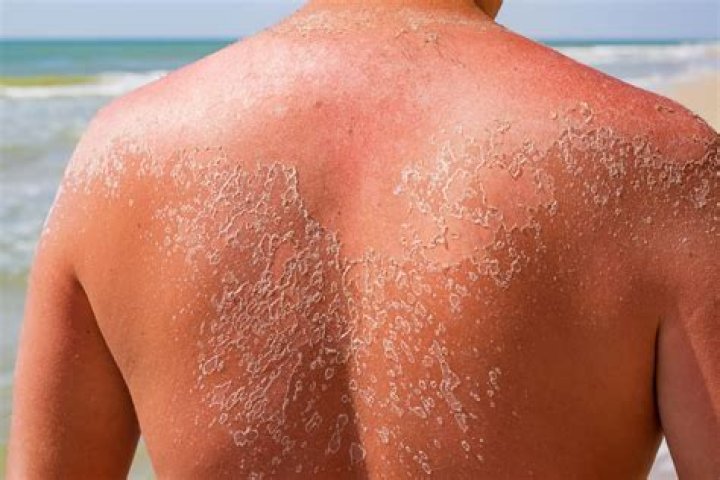
That translucent, paper-thin layer lifting across your shoulders is not just an aesthetic annoyance. It is the visible aftermath of mass programmed cell death. When ultraviolet rays penetrate the epidermis, they shatter cellular DNA, prompting the body to trigger a self-destruct sequence called apoptosis. As detailed in a clinical [health.com Report](https://news.google.com/rss/articles/CBMibEFVX3lxTE1peUUwY1luSmRpTzc1cEFhYTRtVEZIbW5LUkE0V0F5cmZRbjhlOGFCYXFDQ3F0N1AtUlFfVWZFbWxYdnoyUHdFNXg3NXEtMWhxbjVvcG9mOGo3Rm5Za2c0cFNTamtjcHoyZEV3Tg?oc=5), this aggressive shedding process is your immune system's emergency protocol to eliminate mutated cells before they can turn cancerous.
The compulsion to pick and tear at flaking skin is near-universal, yet doing so ruptures unfinished tissue underneath. Managing this vulnerable phase requires working with your body's biological timeline rather than accelerating it with force. Understanding how to handle peeling skin ensures steady cellular repair while stopping dangerous secondary infections before they take hold.
📌 Key Takeaways:
- The Root Cause: Peeling occurs because UV radiation damage forces damaged epidermal cells to die off simultaneously, clearing out DNA alterations.
- The Golden Rule: Never pull, strip, or mechanically scrub shedding tissue; premature detachment exposes raw dermal layers to bacteria and scarring.
- Treatment Blueprint: Prioritize cool compresses, high-grade aloe vera gel, ceramide-rich topical moisturizers, and aggressive internal hydration.
- Red Flag Symptoms: Extensive blistering sunburn accompanied by fever, confusion, or chills requires urgent clinical evaluation.
The Biology of Apoptosis: Why Damaged Skin Sheds En Masse
A sunburn is a radiation burn. When UVB rays penetrate epidermal structures, they collide directly with the DNA inside keratinocytes, the primary cells forming the outermost layer of your skin. If the repair machinery within these cells cannot fix the genetic damage, tumor-suppressor genes like p53 step in. They command the cells to self-destruct.
This coordinated cell suicide prevents rogue, damaged DNA from replicating. Within 48 to 72 hours after intense exposure, millions of dead skin cells detach from the basal layer simultaneously. The tissue dries out, turns brittle, and lifts from the surface. While the sight of large sheets of shedding skin can be alarming, it proves that your cellular repair defenses worked properly under acute stress.
Why Dermatologists Warn Against Pulling Loose Flakes
The urge to yank off hanging fragments of skin is intensely tempting. Social media feeds regularly feature viral videos glorifying large, sheet-like peeling, but dermatologists at medical institutions like the Cleveland Clinic warn that manual peeling disrupts the natural healing cascade. When you pull on a piece of peeling skin, you rarely detach only dead tissue.
The edge of that dead sheet remains anchored to viable, living cells. Ripping it away tears the fragile, newly forming stratum corneum underneath, leaving an open biological wound. This breach invites bacterial pathogens such as Staphylococcus aureus, driving local inflammation and prolonging the healing window. If a loose piece of skin is catching on clothing, take small, sanitized cuticle scissors and snip only the free edge without tugging the base.
Clinical Protocols for Soothing and Restoring the Epidermal Barrier
Effective sunburn relief focuses on lowering core tissue temperature and reinforcing the degraded lipid matrix. Immediate cooling halts ongoing thermal injury. Apply a cool compress soaked in plain water or chilled whole milk, the lactic acid and lipids in dairy soothe irritated nerve endings, for 10 to 15 minutes multiple times a day.
Once cooled, apply unadulterated aloe vera gel to reduce prostaglandin-induced inflammation. Follow this immediately with barrier-replenishing topical moisturizers. Look for lipid-rich creams containing ceramides, colloidal oatmeal, and hyaluronic acid to seal the fragile barrier. Drink plenty of water throughout the day; severe burns draw fluid from internal circulation directly to the skin surface, making internal hydration essential to cellular recovery.
Comparing Sunburn Severity, Recovery Timelines, and Clinical Risks
Not all post-sun shedding patterns carry the same medical risk. The table below outlines how tissue responds across burn stages, establishing when at-home management is appropriate and when clinical care is necessary.
| Severity Grade | Primary Tissue Presentation | Recovery Window | Recommended Intervention |
|---|---|---|---|
| First-Degree (Mild) | Erythema (redness), warmth, mild tenderness, fine powdery flaking | 3, 5 days | Cool compresses, OTC hydrocortisone 1%, lightweight ceramide lotions |
| Second-Degree (Superficial) | Intense heat, localized fluid blisters, sheet desquamation, sharp stinging | 7, 14 days | Intact blister preservation, pure aloe vera, bland barrier ointments |
| Second-Degree (Deep / Severe) | Widespread blistering sunburn covering >20% of body, systemic chills, dizziness | 14, 21+ days | Immediate urgent care evaluation, prescription silver sulfadiazine, IV fluids |
Topical Ingredients to Avoid During Active Desquamation
Reaching for the wrong product can trap residual heat or cause chemical irritation on raw tissue. Avoid heavy, occlusive petroleum jelly during the first 48 hours of a burn. While petrolatum is an exceptional moisture barrier on healed skin, applying it to fresh, hot tissue traps heat against the dermis, worsening discomfort.
Steer clear of over-the-counter pain-relief sprays containing benzocaine or lidocaine. These "-caine" anesthetics frequently provoke allergic contact dermatitis on sensitized skin, replacing sun discomfort with a severe, itchy rash. Shelve all chemical exfoliants, including glycolic, salicylic, and lactic acids, along with retinoids and harsh physical scrubs for at least two weeks. Your skin needs lipid support and gentle protection right now, not aggressive resurfacing.
Recognizing When Flaking Masks Systemic Complications
Most post-sun peeling resolves cleanly at home. However, extensive radiation damage can compromise your body's systemic defenses, a condition colloquially termed "sun poisoning." When large surface areas lose barrier integrity, your body struggles with fluid regulation and internal temperature control.
Monitor your recovery for systemic warning signs. A high fever, persistent shivering, nausea, confusion, or lightheadedness indicates systemic shock. Locally, watch for signs of secondary infection: yellow crusting, spreading streaks of redness, swelling, or foul-smelling drainage from peeled areas. These issues require professional infection prevention and medical intervention, which may include oral antibiotics or specialized wound dressings.
Frequently Asked Questions (FAQ)
Q1: How long does peeling skin typically last after a sunburn?
A1: Desquamation usually begins 3 to 4 days following sun exposure and lasts between 4 to 7 days for standard burns. Deep burns with extensive blistering can take up to two weeks to shed entirely and re-epithelialize.
Q2: Can I exfoliate peeling skin in the shower using a loofah or scrub?
A2: No. Mechanical exfoliation rips away healthy, recovering cells alongside dead tissue, increasing the risk of scarring and infection. Allow the flakes to detach naturally through normal, gentle washing with mild cleansers.
Q3: Will moisturizing regularly prevent skin from peeling altogether?
A3: Moisturizers cannot stop programmed cell death if the underlying DNA damage has already occurred. High-quality emollients do, however, keep the dead layers soft, minimizing cracking, reducing irritation, and making the shedding process far less noticeable.
Q4: Is it safe to apply sunscreen directly over peeling areas?
A4: Yes, and it is necessary. Newly revealed skin is extremely vulnerable to secondary UV damage. Opt for mineral sunscreens containing zinc oxide or titanium dioxide, which sit on top of delicate tissue without causing the chemical stinging often triggered by avobenzone or octisalate.
Long-Term Care for Recovering Skin
Once shedding subsides, the newly exposed epidermis remains hypersensitive and vulnerable for weeks. The fresh stratum corneum lacks a fully developed lipid matrix, leaving it prone to moisture loss and hyperpigmentation under minimal UV exposure. Commit to broad-spectrum SPF 50 mineral sunscreens, wear protective clothing, and maintain daily ceramide hydration to support long-term skin barrier repair.
A single blistering sunburn in youth more than doubles the lifetime risk of developing melanoma. While your skin works hard to clear away mutated cells through peeling, prevention remains the only foolproof defense against cumulative DNA damage. Treat shedding skin with gentle care, protect the vulnerable tissue underneath, and use the experience as a clear prompt to upgrade your sun defense strategy.